





Why Lavender Is a Favorite Among Gardeners
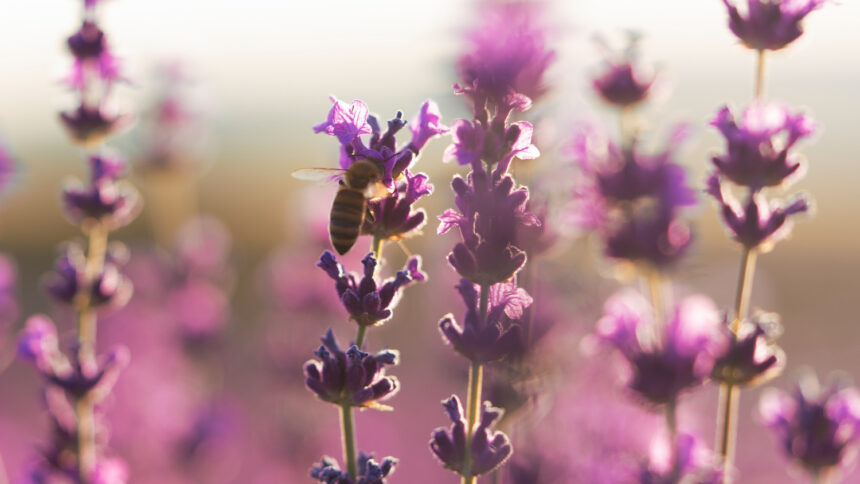
Lavender is loved for its fragrant flowers, silvery foliage, and ability to attract bees and butterflies. Native to the Mediterranean, this hardy perennial is surprisingly low-maintenance once established, making it an excellent choice for beginners and experienced gardeners alike.
- Why Lavender Is a Favorite Among Gardeners
- Choose the Right Variety
- Give Lavender Plenty of Sun
- Plant in Well-Draining Soil
- Water Correctly
- Avoid Overwatering
- Fertilize Sparingly
- Prune Every Year
- Deadhead Spent Flowers
- Growing Lavender in Containers
- Protect Lavender During Winter
- Common Lavender Problems
- Companion Plants for Lavender
- Harvesting Lavender
- Common Mistakes to Avoid
- Frequently Asked Questions
Whether planted in borders, rock gardens, containers, or along pathways, lavender adds color, texture, and a wonderful scent to any outdoor space. Best of all, it’s naturally drought-tolerant and rarely troubled by serious pests when grown in the right conditions.
Choose the Right Variety
There are several types of lavender, each with slightly different characteristics.
| Variety | Best For | Notes |
|---|---|---|
| English Lavender (Lavandula angustifolia) | Most gardens | Hardy, highly fragrant, excellent for drying |
| French Lavender (Lavandula stoechas) | Mild climates | Distinctive flower heads, less cold-hardy |
| Lavandin (Lavandula × intermedia) | Larger gardens | Bigger plants with long flower spikes |
| Spanish Lavender | Warm regions | Decorative flowers and long blooming season |
If you live in an area with cold winters, English lavender is generally the most reliable choice.
Give Lavender Plenty of Sun
Sunlight is the most important ingredient for healthy lavender.
Aim for at least 6 to 8 hours of direct sunlight every day. The more sunshine your plant receives, the stronger its growth, fragrance, and flowering will be.
Lavender planted in too much shade often becomes:
- Leggy
- Weak
- More susceptible to disease
- Less productive
Choose the sunniest location available in your garden.
Plant in Well-Draining Soil
Lavender dislikes wet feet.
Its roots are extremely sensitive to waterlogged conditions, so drainage is far more important than rich soil.
Lavender grows best in:
- Sandy soil
- Gravelly soil
- Chalky soil
- Moderately fertile soil
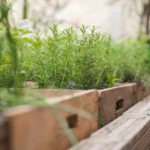
Heavy clay soils should be improved with coarse grit, sand, or compost, or the plants should be grown in raised beds where water drains away more quickly.
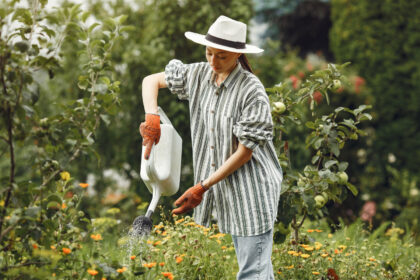
Water Correctly
Many gardeners accidentally kill lavender by giving it too much water.
Newly planted lavender needs regular watering while it establishes its root system. Once mature, however, it’s remarkably drought-tolerant.
| Plant Stage | Watering Recommendation |
|---|---|
| Newly planted | Water regularly during the first growing season |
| Established plants | Water only during prolonged dry periods |
| Container-grown lavender | Water when the potting mix begins to dry out |
Always allow the soil to dry between waterings, especially for plants growing in containers.
Avoid Overwatering
Excess moisture is one of lavender’s biggest enemies.
Signs of overwatering include:
- Yellow leaves
- Soft stems
- Wilting despite wet soil
- Root rot
- Poor flowering
If you notice these symptoms, reduce watering immediately and check that the soil drains freely.
Fertilize Sparingly
Unlike many flowering plants, lavender doesn’t need heavy feeding.
In fact, overly rich soil often produces lush green growth at the expense of flowers.
Most established plants grow perfectly well without regular fertilizer. If your soil is especially poor, adding a small amount of compost in spring is usually enough to support healthy growth.
Prune Every Year
Annual pruning is essential for keeping lavender compact, healthy, and productive.
Without pruning, plants gradually become woody, sparse, and untidy.
After flowering has finished:
- Remove faded flower stems.
- Trim back the current season’s leafy growth.
- Shape the plant into a neat, rounded mound.
One important rule is never cut deeply into old, woody stems, as lavender often struggles to produce new growth from old wood. Recent gardening advice also continues to emphasize pruning after flowering while avoiding heavy cuts into the woody base.
Deadhead Spent Flowers
Removing faded flower spikes helps keep plants tidy and may encourage additional blooms on some varieties.
You can also leave some flower heads in place if you’d like to collect dried lavender or provide seeds for birds later in the season.
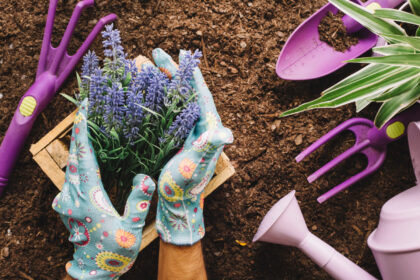
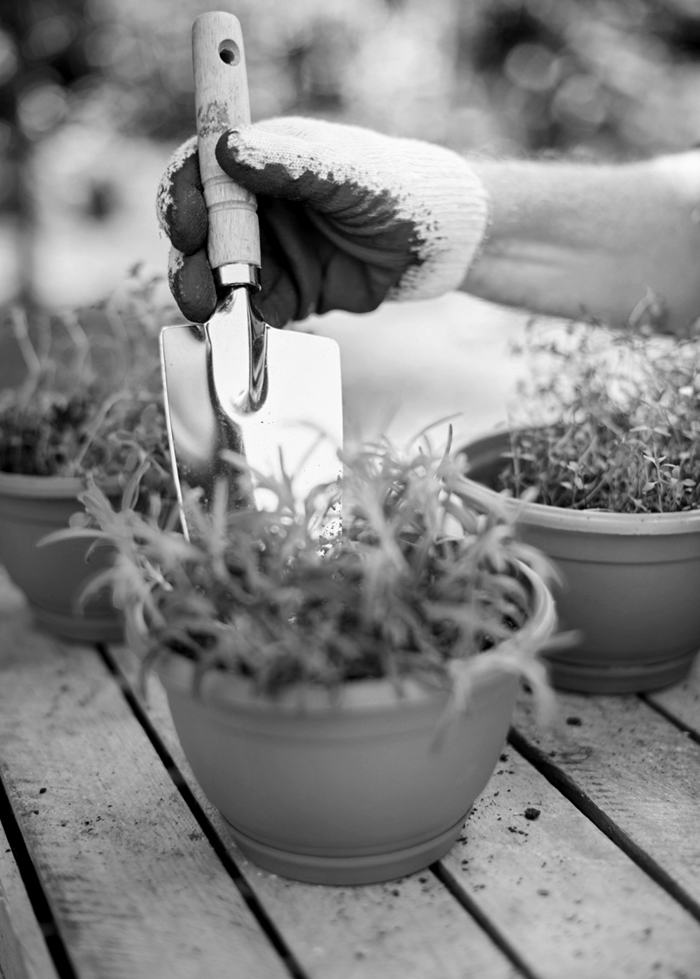
Growing Lavender in Containers
Lavender grows exceptionally well in pots when given the right conditions.
Choose:
- A container at least 12–16 inches wide
- Large drainage holes
- High-quality potting mix
- Extra grit or coarse sand for improved drainage
Container-grown plants dry out more quickly than those in the ground, so check moisture regularly during hot weather.
Protect Lavender During Winter
Many lavender varieties tolerate cold weather well, but winter moisture can be more damaging than freezing temperatures.
To improve winter survival:
- Avoid waterlogged soil.
- Move containers to a sheltered location if possible.
- Reduce watering significantly during winter.
- Ensure excess rain drains away freely.
English lavender is generally the most cold-hardy option for outdoor gardens.
Common Lavender Problems
Lavender is relatively trouble-free, but problems can occur when growing conditions aren’t suitable.
| Problem | Likely Cause |
|---|---|
| Yellow leaves | Overwatering or poor drainage |
| No flowers | Too much shade or excessive fertilizer |
| Woody stems | Lack of annual pruning |
| Wilting | Root rot or prolonged drought |
| Leggy growth | Insufficient sunlight |
Most issues can be prevented by planting lavender in full sun with fast-draining soil.
Companion Plants for Lavender
Lavender pairs beautifully with other drought-tolerant plants that enjoy similar growing conditions.
Popular companions include:
- Rosemary
- Sage
- Thyme
- Salvia
- Catmint
- Echinacea
- Yarrow
These plants create attractive, low-maintenance borders while attracting bees, butterflies, and other beneficial pollinators.
Harvesting Lavender
Harvest flowers when most buds have opened but before they’re fully mature.
Cut long stems on a dry morning after the dew has evaporated.
Fresh lavender can be:
- Dried for arrangements
- Used in sachets
- Added to homemade potpourri
- Used in certain culinary recipes (using edible varieties)
Hang bundles upside down in a cool, dark, well-ventilated area until completely dry.
Common Mistakes to Avoid
| Mistake | Better Approach |
|---|---|
| Planting in shade | Choose a sunny location |
| Overwatering | Let the soil dry between waterings |
| Growing in heavy clay | Improve drainage or use raised beds |
| Overfertilizing | Feed sparingly, if at all |
| Skipping annual pruning | Prune every year after flowering |
| Cutting into old woody stems | Trim only leafy growth |
Frequently Asked Questions
Does lavender come back every year?
Yes. Lavender is a perennial, meaning it returns each year when grown in suitable conditions and properly maintained.
How often should I water lavender?
New plants need regular watering during their first growing season. Once established, lavender usually only needs watering during extended dry periods, while container-grown plants should be watered whenever the potting mix begins to dry.
Why isn’t my lavender flowering?
Poor flowering is often caused by insufficient sunlight, excessive fertilizer, overwatering, or pruning at the wrong time.
Can lavender grow indoors?
Lavender can be grown indoors, but it’s much more challenging than growing it outside. It needs several hours of direct sunlight every day, excellent drainage, and good air circulation to thrive.