





Why Planting Time Matters
One of the most common mistakes beginner gardeners make is planting everything at the same time. While it might seem easier, different vegetables have different temperature requirements. Some thrive in cool spring weather, while others won’t grow properly until the soil has warmed up.
- Why Planting Time Matters
- Understand Cool-Season and Warm-Season Vegetables
- Plant Cool-Season Vegetables in Early Spring
- Wait Until After the Last Frost for Warm-Season Crops
- Know Your Last Frost Date
- Soil Temperature Is Just as Important
- Start Some Vegetables Indoors
- Direct Sow These Vegetables Outdoors
- Don’t Forget About Fall Planting
- Succession Planting Keeps the Harvest Going
- Typical Planting Timeline
- Common Timing Mistakes
- Frequently Asked Questions
Instead of relying on the calendar alone, successful gardeners pay attention to three key factors:
- Soil temperature
- Air temperature
- Your area’s average last and first frost dates
These are far more reliable than simply planting on the same date every year.
Understand Cool-Season and Warm-Season Vegetables
Almost every vegetable falls into one of two groups.
| Cool-Season Vegetables | Warm-Season Vegetables |
|---|---|
| Lettuce | Tomatoes |
| Spinach | Peppers |
| Peas | Cucumbers |
| Broccoli | Squash |
| Cabbage | Pumpkins |
| Carrots | Beans |
| Radishes | Corn |
| Beets | Melons |
Cool-season vegetables grow best in mild temperatures and can tolerate light frosts, while warm-season crops need warm soil and frost-free conditions to thrive.
Plant Cool-Season Vegetables in Early Spring
As soon as the soil is workable, many cool-weather crops can be planted outdoors.
Popular early-season vegetables include:
- Lettuce
- Spinach
- Radishes
- Peas
- Onions
- Broccoli
- Cabbage
- Kale
These vegetables actually prefer cooler weather and often produce better-quality harvests before summer heat arrives. Many can also be planted again in late summer for an autumn harvest.
Wait Until After the Last Frost for Warm-Season Crops
Heat-loving vegetables should never be rushed into the garden.
Wait until:
- The danger of frost has passed.
- Soil temperatures have warmed.
- Nighttime temperatures remain consistently mild.
This is especially important for:
- Tomatoes
- Peppers
- Eggplants
- Cucumbers
- Zucchini
- Pumpkins
- Melons
Planting these vegetables too early often leads to slow growth, transplant shock, or frost damage.
Know Your Last Frost Date
Your local average last spring frost date is one of the most useful pieces of information for planning a vegetable garden.
Many seed packets use this date as a reference, with instructions such as:
- Start indoors 6–8 weeks before the last frost.
- Sow outdoors 2 weeks before the last frost.
- Transplant after all danger of frost has passed.
Checking your local frost dates each season helps you create a much more accurate planting schedule.
Soil Temperature Is Just as Important
Even if the weather feels warm, cold soil can slow germination and stunt young plants.
Here’s a general guide:
| Vegetable Group | Preferred Soil Temperature |
|---|---|
| Peas, Lettuce, Spinach | 40–50°F (4–10°C) |
| Carrots, Beets | Around 45–50°F (7–10°C) |
| Beans | Above 55°F (13°C) |
| Cucumbers | Around 60°F (16°C) |
| Tomatoes | Around 60°F (16°C) |
| Peppers | 65°F (18°C) or warmer |
A simple soil thermometer can help you decide when conditions are truly suitable for planting.
Start Some Vegetables Indoors
Not every crop needs to be sown directly outside.
Many long-season vegetables benefit from an early indoor start.
These include:
- Tomatoes
- Peppers
- Eggplants
- Broccoli
- Cabbage
- Cauliflower
Starting seeds indoors gives plants a head start before they’re transplanted into the garden after the weather warms.
Direct Sow These Vegetables Outdoors
Some vegetables grow best when planted directly into the garden because they don’t transplant well.
Good candidates include:
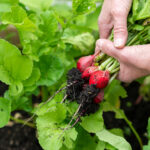
- Carrots
- Radishes
- Beets
- Peas
- Beans
- Corn
- Spinach
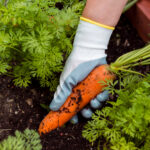
Root vegetables, in particular, usually develop straighter, healthier roots when sown directly into the soil.
Don’t Forget About Fall Planting
Many gardeners think the growing season ends in summer, but that’s far from true.
Cool-season vegetables often grow exceptionally well when planted again in late summer for autumn harvests.
Excellent choices include:
- Spinach
- Lettuce
- Kale
- Radishes
- Carrots
- Turnips
- Beets
Cooler temperatures often improve the flavor of many leafy greens and root vegetables.
Succession Planting Keeps the Harvest Going
Rather than planting everything on one day, sow small batches every few weeks.
This works especially well for:
- Lettuce
- Spinach
- Radishes
- Carrots
- Beans
Succession planting spreads your harvest over a much longer period instead of producing everything at once.
Typical Planting Timeline
| Season | Vegetables to Plant |
|---|---|
| Early Spring | Lettuce, spinach, peas, radishes, onions, broccoli |
| Mid to Late Spring | Carrots, beets, potatoes, Swiss chard |
| After the Last Frost | Tomatoes, peppers, cucumbers, beans, squash, corn |
| Late Summer | Kale, lettuce, spinach, carrots, radishes, turnips |
| Autumn | Garlic and selected overwintering crops (depending on climate) |
Remember that exact planting dates vary depending on your local climate and frost dates.
Common Timing Mistakes
| Mistake | Better Approach |
|---|---|
| Planting tomatoes too early | Wait until after the last frost |
| Ignoring soil temperature | Check soil warmth before sowing |
| Planting all vegetables together | Group crops by their temperature needs |
| Starting seeds too late | Follow the recommended indoor sowing schedule |
| Forgetting a fall crop | Plant cool-season vegetables again in late summer |
Frequently Asked Questions
When is the best month to plant vegetables?
There isn’t a single best month. It depends on your climate and the type of vegetable. Cool-season crops are usually planted in early spring or late summer, while warm-season vegetables are planted after the last spring frost.
How do I know when it’s safe to plant tomatoes?
Tomatoes should only be planted outdoors after all danger of frost has passed and when both the air and soil have warmed sufficiently. Cool weather can stunt growth and reduce future yields.
Can I grow vegetables year-round?
In mild climates, many vegetables can be grown throughout the year by alternating cool-season and warm-season crops. In colder regions, season extenders such as greenhouses, cold frames, or row covers can lengthen the growing season.
Is it better to start vegetables from seed or buy seedlings?
Both methods work well. Fast-growing vegetables like carrots, beans, peas, and radishes are usually sown directly outdoors, while tomatoes, peppers, broccoli, and similar crops are often started indoors or purchased as young plants to give them a head start.