





What Does It Mean When Plant Leaves Turn Yellow?
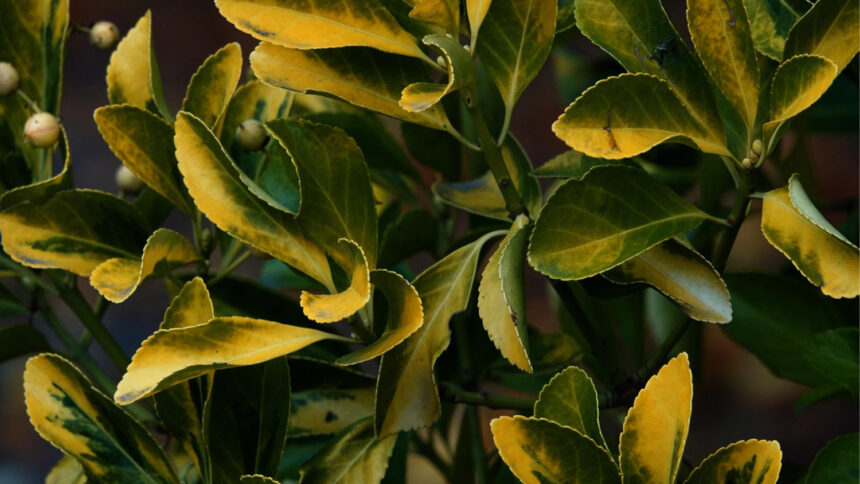
Seeing healthy green leaves suddenly turn yellow can be alarming, especially if you’re new to gardening. While yellowing leaves—known as chlorosis—are usually a sign that something isn’t quite right, they’re not always a cause for panic.
- What Does It Mean When Plant Leaves Turn Yellow?
- Is It Normal for Leaves to Turn Yellow?
- Overwatering: The Most Common Cause
- Underwatering Can Cause Yellow Leaves Too
- Poor Drainage
- Not Enough Sunlight
- Too Much Sun Can Also Be a Problem
- Nutrient Deficiencies
- Soil pH Can Affect Nutrient Uptake
- Temperature Stress
- Pests Can Cause Yellow Leaves
- Diseases and Fungal Problems
- Root Problems
- How to Diagnose Yellow Leaves
- Can Yellow Leaves Turn Green Again?
- How to Prevent Yellow Leaves
- Frequently Asked Questions
In many cases, the problem can be traced back to watering habits, lighting conditions, nutrient deficiencies, or environmental stress. Sometimes, however, yellow leaves are simply part of a plant’s natural life cycle. The key is identifying the pattern before deciding how to fix it.
Is It Normal for Leaves to Turn Yellow?
Yes—sometimes.
Older leaves naturally age, turn yellow, and eventually fall off as the plant redirects its energy toward producing fresh growth. If only one or two older leaves near the base of the plant are yellowing while the rest of the plant looks healthy, there’s usually nothing to worry about.

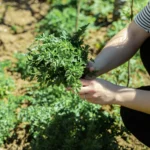
However, if multiple leaves begin turning yellow at the same time—especially newer leaves—it usually indicates an underlying problem.
Overwatering: The Most Common Cause
If there’s one mistake that beginner gardeners make more than any other, it’s giving their plants too much water.
When soil stays constantly wet, oxygen can’t reach the roots. Over time, roots begin to suffocate and may even rot, making it difficult for the plant to absorb nutrients.
Common signs of overwatering include:
- Yellow leaves
- Soft or mushy stems
- Wet soil that never dries
- Leaves dropping unexpectedly
- Mold or fungus on the soil
Allow the soil to dry slightly before watering again, and make sure excess water can drain freely from pots or garden beds.
Underwatering Can Cause Yellow Leaves Too
Too little water can produce symptoms similar to overwatering.
When plants don’t receive enough moisture, they begin conserving energy by sacrificing older leaves. Those leaves often turn yellow before becoming dry and brittle.
Signs of underwatering include:
- Dry soil
- Crispy leaf edges
- Wilting
- Slow growth
- Leaves curling before falling off
Instead of giving plants small amounts of water every day, water deeply so moisture reaches the root zone.
Poor Drainage
Sometimes the problem isn’t how much you’re watering—it’s where the water goes.
Heavy clay soil or containers without drainage holes can trap excess moisture around the roots.
Even if you’re watering correctly, poor drainage creates the same conditions as overwatering.
If water pools around your plants after rain or irrigation, consider improving the soil with compost or growing plants in raised beds.
Not Enough Sunlight
Plants need sunlight to produce chlorophyll, the pigment responsible for their green color.

When they don’t receive enough light, leaves may gradually lose their color and become pale yellow.
Common signs include:
| Symptom | Possible Cause |
|---|---|
| Pale yellow leaves | Insufficient sunlight |
| Long weak stems | Plant stretching toward light |
| Slow growth | Low light levels |
| Small leaves | Lack of energy |
Move container plants to a brighter location if possible, or choose plants that naturally thrive in shade.
Too Much Sun Can Also Be a Problem
While many plants love full sun, others can become stressed if exposed to intense afternoon heat.
Sun damage may cause:
- Yellow patches
- Brown edges
- Scorched leaves
- Dry foliage
If your plant prefers partial shade, relocating it or providing afternoon protection may solve the issue.
Nutrient Deficiencies
Plants require a steady supply of nutrients to stay healthy.
When essential nutrients become unavailable, yellowing often appears in distinctive patterns.
| Nutrient | Typical Symptoms |
|---|---|
| Nitrogen | Older leaves turn yellow first |
| Iron | New leaves yellow while veins remain green |
| Magnesium | Yellowing between veins on older leaves |
| Potassium | Yellow edges that later turn brown |
Applying fertilizer without identifying the actual deficiency can sometimes make the problem worse, so it’s worth observing the pattern carefully—or testing your soil if the issue persists.
Soil pH Can Affect Nutrient Uptake
Sometimes nutrients are present in the soil but unavailable to the plant.
This often happens when the soil’s pH is too high or too low.
For example, acid-loving plants such as blueberries, azaleas, and rhododendrons frequently develop yellow leaves when grown in alkaline soil because they struggle to absorb iron.
A simple soil test can reveal whether pH is contributing to the problem.
Temperature Stress
Sudden weather changes can shock plants.
Common causes include:
- Cold nights
- Heatwaves
- Frost damage
- Hot drying winds
- Cold drafts for houseplants
Extreme temperatures interfere with normal plant processes and may cause leaves to yellow before dropping.
Pests Can Cause Yellow Leaves
Tiny insects often feed on plant sap, reducing the plant’s ability to produce chlorophyll.
Common culprits include:
- Aphids
- Spider mites
- Whiteflies
- Scale insects
- Thrips
Inspect both sides of leaves regularly, especially if yellowing appears alongside sticky residue, tiny webs, or visible insects.
Diseases and Fungal Problems
Certain diseases can also lead to yellow foliage.
Some warning signs include:
- Yellow spots
- Brown patches
- White powder
- Black mold
- Wilting despite moist soil
Good airflow, proper watering practices, and removing infected leaves can often help reduce the spread of fungal diseases.
Root Problems
Healthy roots are essential for healthy leaves.
If roots become damaged, crowded, or diseased, plants may struggle to absorb water and nutrients.
Container plants may become root-bound over time, causing:
- Yellow leaves
- Slow growth
- Roots growing through drainage holes
- Soil drying very quickly
Repotting into a slightly larger container with fresh potting mix often solves the problem.
How to Diagnose Yellow Leaves
Before trying to fix the issue, ask yourself these questions:
| Question | Why It Matters |
|---|---|
| Are old or new leaves affected? | Helps identify nutrient issues or natural aging |
| Is the soil wet or dry? | Indicates watering problems |
| Has the weather changed recently? | May reveal temperature stress |
| Are there visible insects? | Points to pest damage |
| Does the plant receive enough sunlight? | Helps rule out lighting issues |
| Has the plant been fertilized recently? | May indicate nutrient imbalance |
Working through these questions one by one is often the fastest way to identify the real cause.
Can Yellow Leaves Turn Green Again?
In most cases, completely yellow leaves won’t return to their original green color.
However, if you correct the underlying problem early enough, the plant can produce healthy new growth, preventing additional leaves from turning yellow.
Once a leaf has become entirely yellow, it’s usually best to remove it after it has finished providing any remaining nutrients back to the plant.
How to Prevent Yellow Leaves
The best way to avoid yellow leaves is through consistent plant care.
Simple habits that make a big difference include:
- Water only when the soil needs it.
- Ensure pots have proper drainage.
- Choose the right location based on light requirements.
- Feed plants according to their growing needs.
- Check regularly for pests and diseases.
- Improve soil with compost and organic matter.
- Avoid sudden changes in temperature whenever possible.
Healthy growing conditions reduce stress, allowing plants to produce vibrant green foliage throughout the growing season.
Frequently Asked Questions
Should I remove yellow leaves?
Yes, once a leaf has turned completely yellow. Removing dead foliage improves the plant’s appearance and allows it to focus energy on producing healthy new growth.
Can too much fertilizer cause yellow leaves?
Yes. Excess fertilizer can damage roots and interfere with nutrient uptake, sometimes leading to yellowing, brown leaf edges, or stunted growth.
Do yellow leaves always mean my plant is dying?
No. In many cases, yellow leaves are simply an early warning sign that your plant needs an adjustment in watering, lighting, nutrition, or growing conditions. Addressing the cause promptly usually prevents further damage.