






Choose the Right Location
The first step to creating a successful garden is finding the perfect spot. Most vegetables, flowers and herbs thrive in areas that receive at least six to eight hours of direct sunlight each day. Make sure the location also has good drainage, as standing water can damage plant roots.
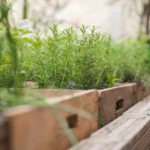
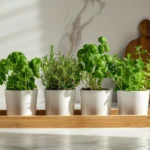
If space is limited, don’t worry—raised beds, containers and even balconies can become productive growing areas.
Prepare the Soil
Healthy soil is the foundation of every thriving garden. Before planting, remove weeds, rocks and debris, then loosen the soil with a shovel or garden fork.
Mix in compost or organic matter to improve nutrients and water retention. If possible, test your soil’s pH to understand what plants will grow best and whether any adjustments are needed.

Pick Plants That Match Your Climate
One of the biggest mistakes beginners make is choosing plants that aren’t suited to their local environment.
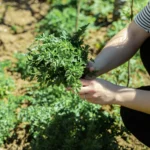
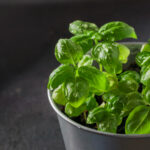
Start with easy-to-grow options such as tomatoes, lettuce, peppers, basil, marigolds or sunflowers. Native plants are also a great choice because they’re naturally adapted to local weather conditions and often require less maintenance.
Plant with a Plan
Avoid overcrowding your garden by following the spacing recommendations for each plant. Giving crops enough room allows for better airflow, healthier growth and easier harvesting later on.
Group plants with similar sunlight and watering needs together to simplify maintenance throughout the growing season.
Water and Maintain Regularly
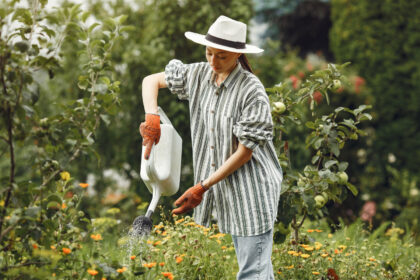
Consistent care is more important than perfection. Water deeply rather than frequently to encourage stronger root systems, and try to water early in the morning to reduce evaporation.
Keep weeds under control, remove dead leaves when necessary and monitor plants for signs of pests or disease before problems spread.
Be Patient and Enjoy the Process
Every successful gardener started as a beginner. Some plants will flourish immediately, while others may take time or require a little extra care.
Treat each season as a learning experience, celebrate small victories and don’t be discouraged by occasional setbacks. With patience and regular attention, your garden will continue to grow stronger year after year.