





Why Herbs Are a Great Starting Point for New Gardeners
Herbs make excellent first planting choices; they don’t typically require large gardens, expensive equipment or years of experience to thrive. Many culinary herbs thrive in pots, raised beds, window boxes or small corners of vegetable gardens while many varieties can even thrive indoors given enough light.
- Why Herbs Are a Great Starting Point for New Gardeners
- Basil: The Fast-Growing Favorite
- Mint: Almost Too Easy to Grow
- Parsley: More Than Just a Garnish
- Chives: Plant Once and Enjoy Them for Years
- Thyme: Perfect for Gardeners Who Forget to Water
- Oregano: Tough, Fragrant and Productive
- Rosemary: A Herb That Doubles as an Ornamental Shrub
- Sage: Tough Enough for Beginners
- Cilantro: Easy to Grow, but You Need to Know Its Secret
- Dill: Fast Growth With Two Rewards
- Lemon Balm: A Forgiving Choice for Difficult Spaces
- Marjoram: An Underrated Herb Worth Growing
- Which Herbs Should You Grow Together?
- The Best Herbs for Containers
- How Much Sun Do Herbs Need?
- Watering Herbs Without Killing Them
- Don’t Overdo the Fertilizer
- Harvesting Makes Many Herbs Grow Better
- Seeds or Starter Plants: Which Is Better?
- What Can You Grow Indoors?
- Beginner Mistakes That Are Surprisingly Easy to Avoid
- Which Herbs Are Best If You Have Never Gardened Before?
- Frequently Asked Questions
Herbs offer almost immediate use. You don’t have to wait months for vegetables or years for fruit trees to bear fruits; once an herb has developed enough healthy foliage, you can start clipping small portions for cooking purposes.
Culinary herbs typically require minimal attention and experience fewer pest and disease issues than more demanding garden crops.
Choose herbs to match the conditions under which you plan on growing them; Mediterranean species like rosemary and thyme thrive when grown in sunlight on relatively drier soil, while parsley and mint tend to do fine with partial shade and additional moisture.
Here’s how some of the easiest choices compare.
| Herb | Difficulty | Light | Water Needs | Best Place to Grow | Life Cycle |
|---|---|---|---|---|---|
| Basil | Very Easy | Full sun | Moderate | Pots or beds | Annual |
| Mint | Very Easy | Sun/partial shade | Moderate | Containers | Perennial |
| Parsley | Easy | Sun/partial shade | Moderate | Pots or beds | Biennial |
| Chives | Very Easy | Sun/partial shade | Moderate | Pots or beds | Perennial |
| Thyme | Easy | Full sun | Low | Pots or beds | Perennial |
| Oregano | Easy | Full sun | Low | Pots or beds | Perennial |
| Rosemary | Easy | Full sun | Low | Pots or beds | Perennial |
| Sage | Easy | Full sun | Low | Beds or large pots | Perennial |
| Cilantro | Easy | Sun/partial shade | Moderate | Beds or pots | Annual |
| Dill | Easy | Full sun | Moderate | Garden beds | Annual |
| Lemon Balm | Very Easy | Sun/partial shade | Moderate | Containers | Perennial |
| Marjoram | Easy | Full sun | Low/Moderate | Pots or beds | Perennial/Tender |
Basil: The Fast-Growing Favorite
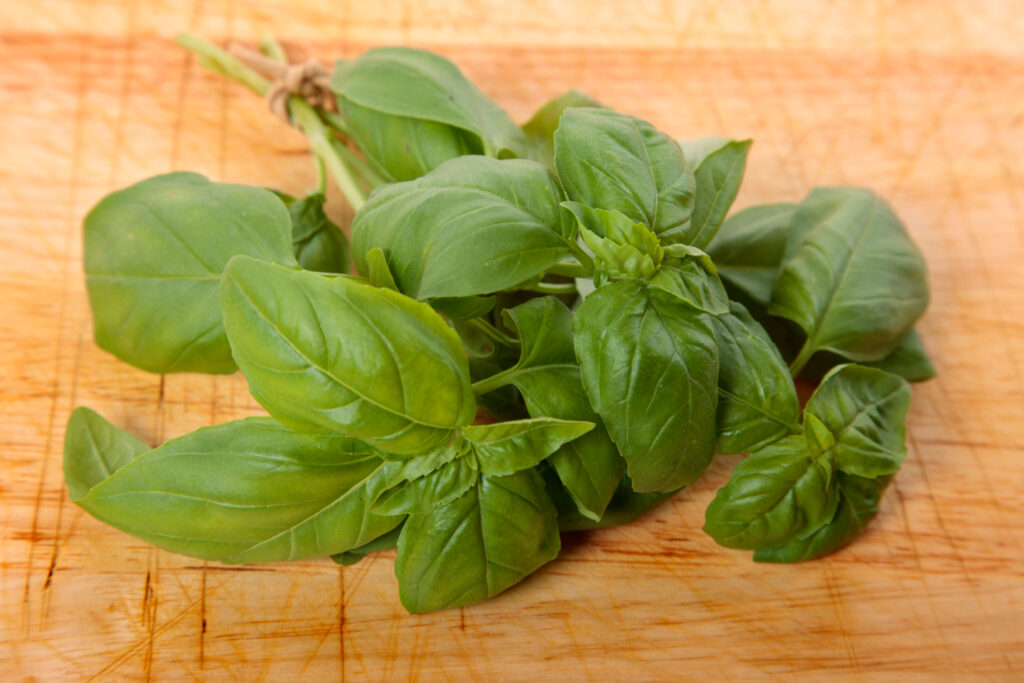
Basil is often the herb that inspires newcomers to gardening to get involved. Give it warmth, sunlight, good soil quality and regular irrigation and it quickly grows; plus regular harvesting encourages it to become bushier!
Sweet basil and Genovese basil varieties make an excellent first selection if you enjoy Italian cooking, while Thai basil offers slightly pungent notes that pair beautifully with Southeast Asian cuisine.
Basil prefers:
- Around 6–8 hours of sunlight
- Warm temperatures
- Moist but well-drained soil
- Protection from cold weather
The biggest mistake beginners make is allowing basil to flower too soon. Once flowering begins, the plant starts redirecting energy toward seed production.
Pinch flower buds off when you notice them and regularly cut stems just above a pair of leaves. Instead of weakening the plant, harvesting actually encourages more branching.
Mint: Almost Too Easy to Grow
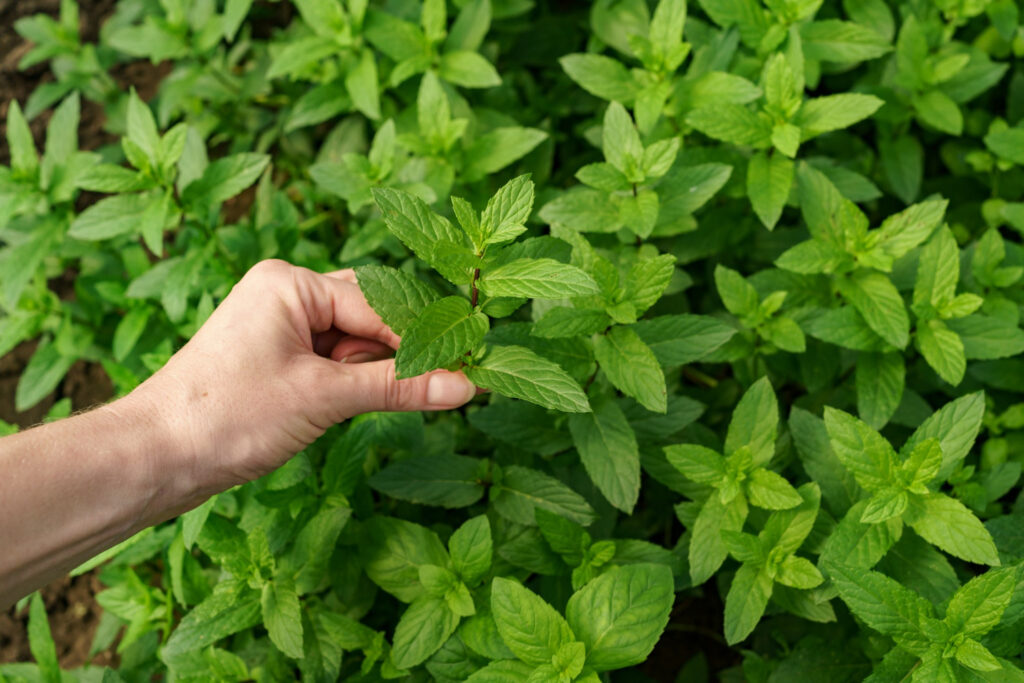
If you’ve previously struggled to keep plants alive, mint may restore your confidence. Mint is extremely vigorous and tolerates a wider range of growing conditions than many Mediterranean herbs. It grows in sun and can tolerate lighter shade, while established plants return year after year in suitable climates.
There’s only one problem. Mint can grow too well.
Its underground stems spread quickly, allowing the plant to appear far beyond its original location. For that reason, beginners are usually better off growing mint in a container rather than planting it directly into a mixed herb bed.
Popular varieties include:
- Peppermint
- Spearmint
- Chocolate mint
- Apple mint
- Moroccan mint
Keep the soil reasonably moist and harvest frequently to maintain fresh, tender growth.
Parsley: More Than Just a Garnish
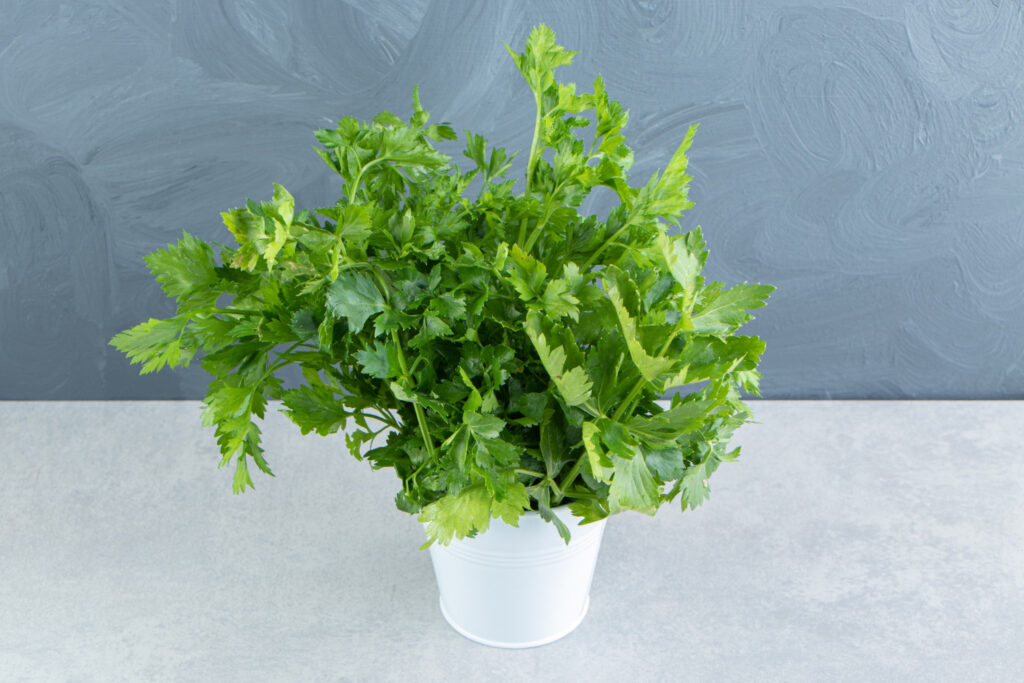
Parsley may not get as much recognition as basil, but it can be one of the most useful herbs you grow. Both flat-leaved and curly varieties thrive in containers, vegetable beds and herb gardens alike and tolerate partial shade better than many sun-loving herbs, giving gardeners greater options when space is tight.
Parsley thrives best when growing in consistently moist soil rather than periods of drought. Beginners should keep in mind that its seeds may take some time to germinate; don’t assume your efforts have failed just because no visible results appear instantly.
Once plants become established, harvest only outer stems first while leaving the center producing new foliage.
Chives: Plant Once and Enjoy Them for Years
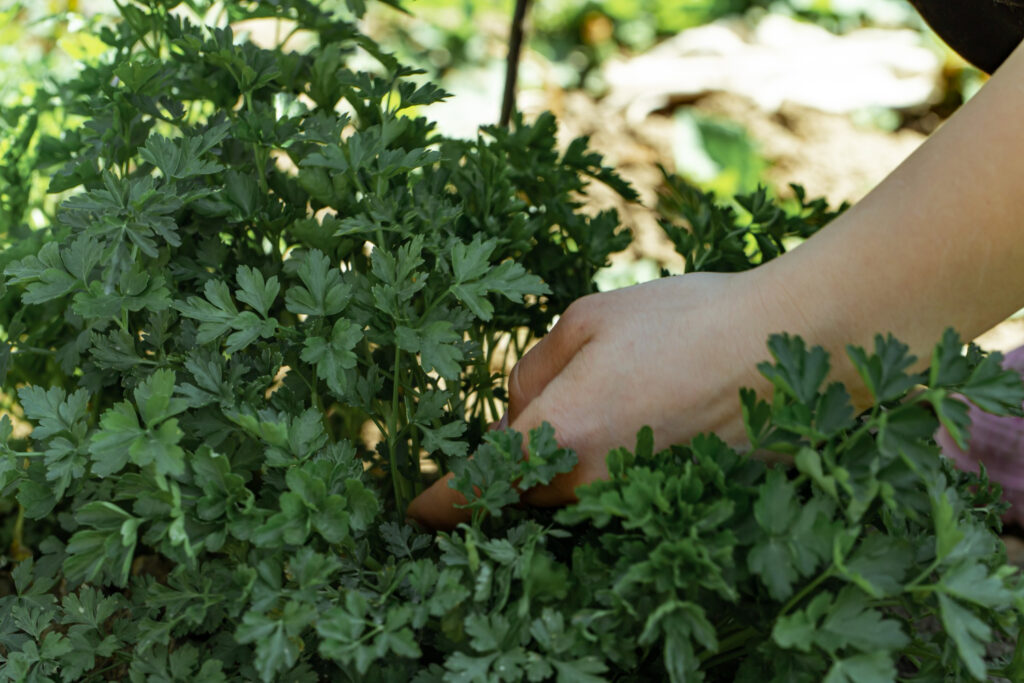
Chives might be the closest thing to a hassle-free culinary herb. Their slender, onion-flavored leaves grow in tidy clumps, and mature plants produce attractive purple flowers that are also edible.
Chives are perennials, so established plants can return for multiple seasons rather than needing to be replaced every year.
They’re useful in:
- Salads
- Eggs
- Potatoes
- Soups
- Sauces
- Cream cheese
- Garnishes
As plants mature, clumps can become crowded. Dividing them every few years helps maintain vigorous growth.
Regular harvesting encourages fresh leaves, and you can cut the foliage relatively close to the base without harming an established plant.
Thyme: Perfect for Gardeners Who Forget to Water
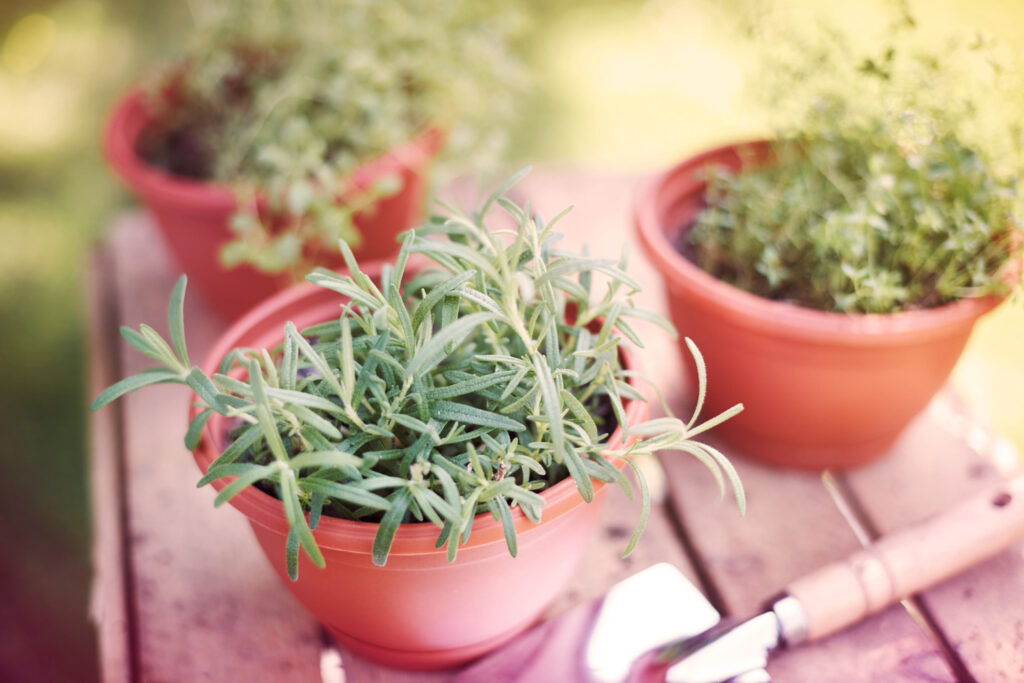
Thyme is an excellent herb for anyone who tends to neglect watering. Once established, this Mediterranean perennial prefers conditions on the drier side. Constantly wet soil is far more dangerous than an occasional dry spell.
Plant thyme somewhere with:
- Plenty of sunshine
- Excellent drainage
- Good airflow
It performs especially well in terracotta pots, rock gardens, raised beds, and gravel-style gardens. The small leaves pack an impressive amount of flavor, meaning even a compact plant can provide plenty for cooking.
Thyme pairs naturally with roasted vegetables, chicken, meat, sauces, soups, and potatoes.
Oregano: Tough, Fragrant and Productive
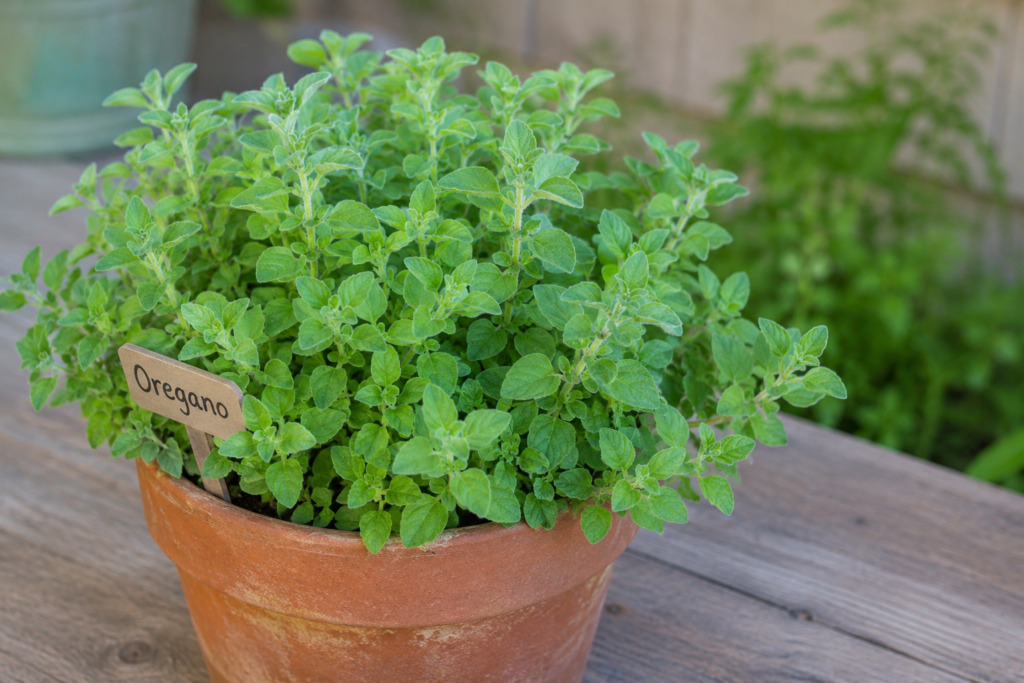
Oregano likes many of the same conditions as thyme. It loves sunshine, dislikes waterlogged roots, and becomes relatively drought tolerant after establishing.
Greek oregano is especially prized for its strong flavor and is a natural choice for:
- Tomato sauces
- Pizza
- Marinades
- Roasted vegetables
- Mediterranean dishes
Oregano can become woody or sprawling over time. Cutting it back periodically encourages fresher, more compact growth.
Don’t worry if the plant produces flowers, either. Flowering herbs including oregano can provide useful food for pollinating insects.
Rosemary: A Herb That Doubles as an Ornamental Shrub
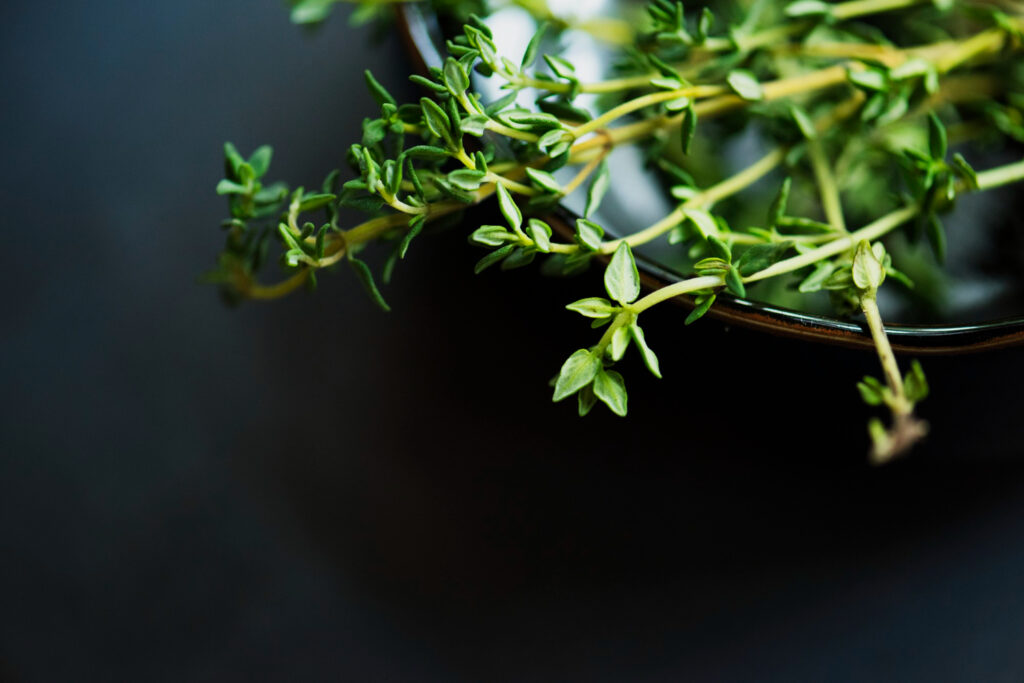
Rosemary doesn’t look like a typical delicate kitchen herb. Given enough time, it develops woody stems and can grow into a substantial evergreen shrub in climates where winters aren’t too severe.
The formula for keeping rosemary happy is relatively simple:
sun + drainage + restraint with the watering can.
Rosemary hates constantly wet roots.
If you’re growing it in a container, make sure the pot has drainage holes and use a free-draining potting mix. Indoors, it also needs strong light and good air circulation.
Harvest by snipping young stems rather than stripping huge sections from the plant.
Sage: Tough Enough for Beginners
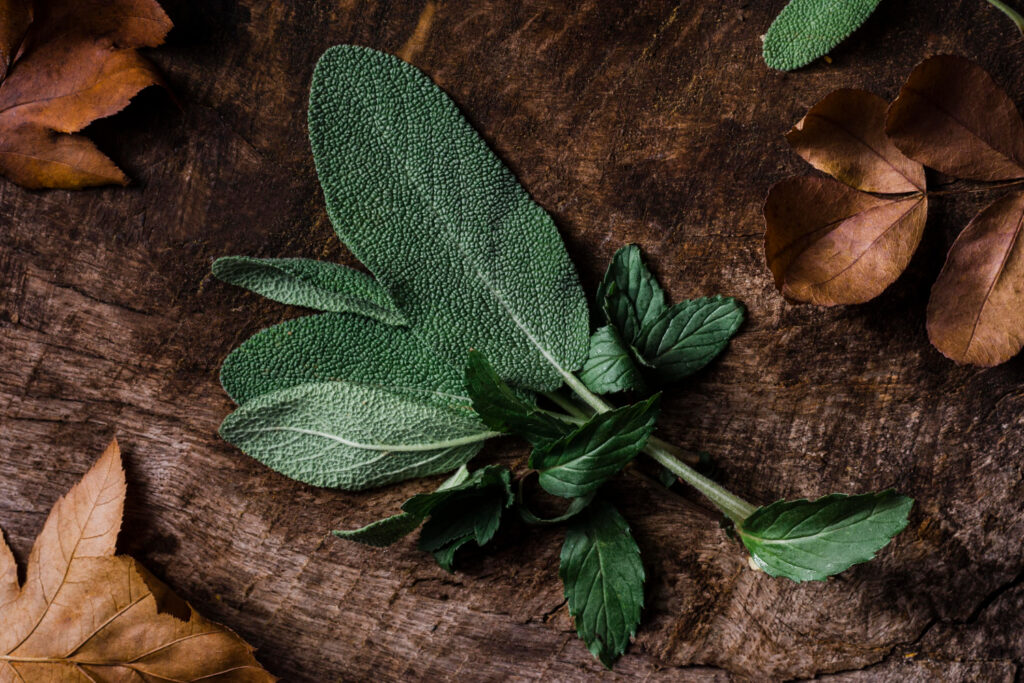
Sage is another Mediterranean herb that rewards gardeners who don’t fuss over their plants. Its velvety gray-green leaves have an earthy flavor that’s particularly useful in stuffing, poultry dishes, roasted vegetables, butter sauces, and autumn recipes.
Common sage grows best with:
- Full sun
- Free-draining soil
- Moderate to low watering
- Good airflow
Avoid heavily fertilizing sage. Excess nutrition can encourage rapid, softer growth while reducing the concentrated flavor gardeners want from culinary herbs.
Older plants may become woody after several years, so light annual pruning helps maintain an attractive shape.
Cilantro: Easy to Grow, but You Need to Know Its Secret
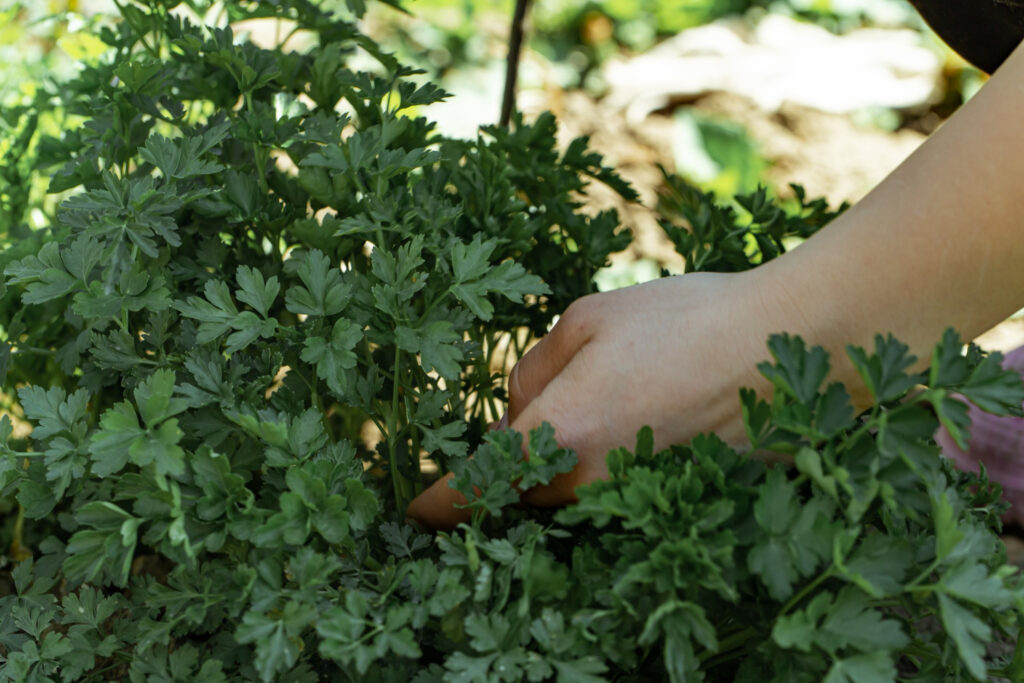
Cilantro—also known as coriander—isn’t particularly difficult to grow, yet beginners are often frustrated when it suddenly flowers and stops producing the leafy growth they wanted.
That’s because cilantro naturally has a relatively short productive cycle. Warm weather accelerates bolting, the process where the plant produces flowers and seeds.
Instead of trying to keep one cilantro plant alive indefinitely, sow a small new batch every few weeks. That gives you a succession of younger plants ready for harvesting.
And if your cilantro does flower, all isn’t lost. The seeds are coriander, giving you an entirely different culinary ingredient from the same plant.
Dill: Fast Growth With Two Rewards
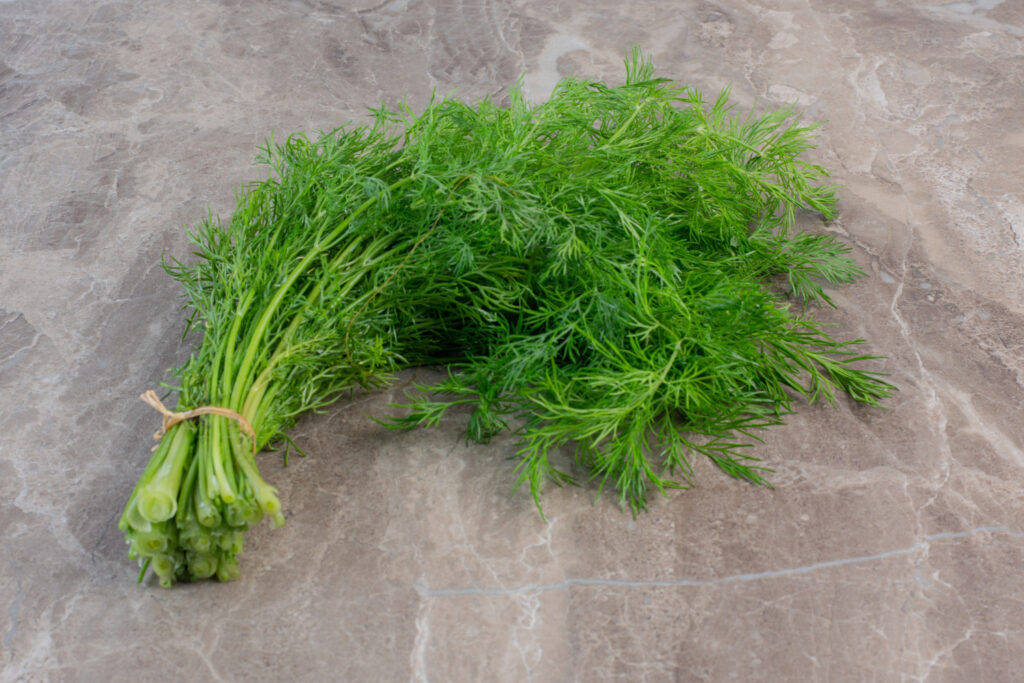
Dill is another herb that gives you more than one useful ingredient.
Its delicate leaves are delicious with:
- Fish
- Potatoes
- Cucumbers
- Yogurt sauces
- Salads
- Pickles
Allow the plant to mature and you’ll eventually get dill seeds as well.
Dill grows a taproot that does not respond well to transplanting, making direct sowing an efficient method. Dill can grow quite tall compared with basil and thyme varieties; therefore it should be placed where its shadow will not obscure smaller plants.
Allowing some flowers to remain can also enhance a garden by drawing beneficial insects and pollinators to it. Flowering herbs like dill, basil, chives, sage, thyme and mint have long been known for attracting bees and butterflies, providing added pollinator support in your yard.
Lemon Balm: A Forgiving Choice for Difficult Spaces
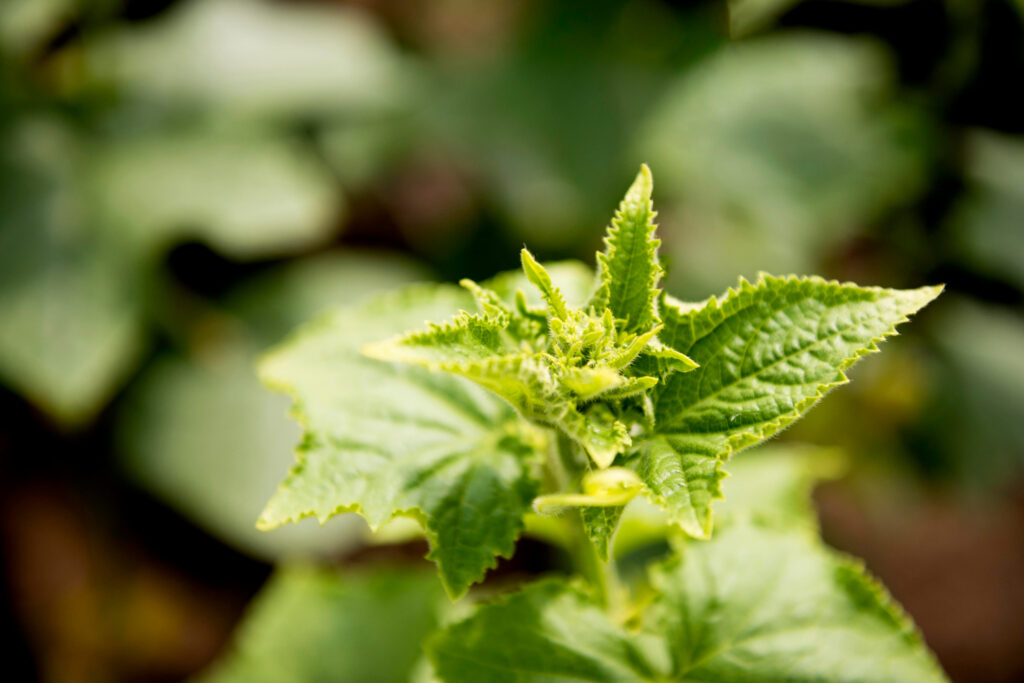
Lemon Balm belongs to the mint family and shares its enthusiasm for growth. When crushed between fingers, its soft green leaves release an aromatic lemon scent when rubbed; perfect for teas, cold beverages, fruit dishes or desserts!
Lemon balm thrives under partial shade conditions better than many Mediterranean herbs and doesn’t need particularly rich soil; like mint, however, lemon balm spreads easily.
For maximum control and continuous yields of tender new leaves, grow it in a pot. Regular cutting keeps it compact while offering plenty of opportunity for expansion and maturation.
Marjoram: An Underrated Herb Worth Growing
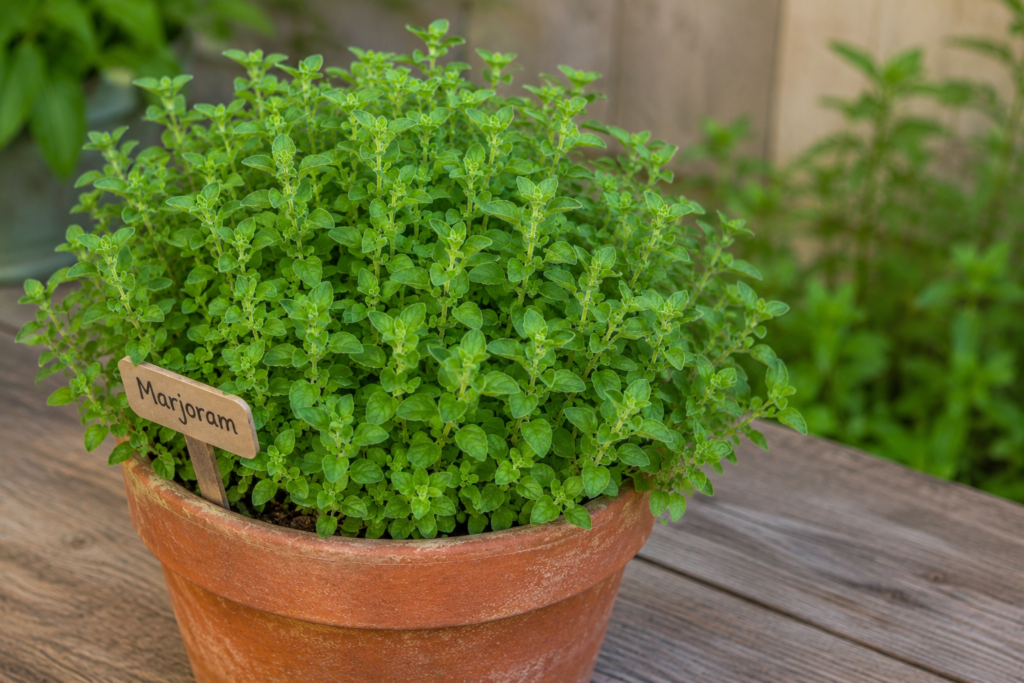
Marjoram is often overshadowed by oregano, but beginners shouldn’t overlook it. Its flavor is milder and sweeter, making it useful when oregano would overpower a dish.
Marjoram likes:
- Warm conditions
- Sunshine
- Well-drained soil
- Moderate watering
It works particularly well in containers and can be positioned close to the kitchen for convenient harvesting. In colder climates, sweet marjoram is often treated as an annual because it may not survive harsh winters.
Which Herbs Should You Grow Together?
One of the easiest mistakes to make when starting an herb garden is putting every herb into the same container. They may all be culinary herbs, but their watering requirements can be very different.
A better approach is grouping plants with similar preferences.
| Plant Together | Why They Work |
| Rosemary + Thyme + Oregano + Sage | Prefer sunny, drier conditions |
| Basil + Parsley + Chives | Appreciate richer soil and more consistent moisture |
| Mint + Lemon Balm | Similar moisture needs, but control spreading |
| Cilantro + Dill | Enjoy relatively similar seasonal conditions |
Mediterranean herbs shouldn’t routinely share the same small container with moisture-loving plants. Keeping their requirements compatible makes watering much easier.
The Best Herbs for Containers
A backyard isn’t necessary for growing herbs.
Most culinary herbs adapt exceptionally well to containers, and pots actually offer several advantages. They let you control the soil, reposition plants according to sunlight, and prevent aggressive herbs from spreading.
Container-friendly choices include:
| Herb | Minimum Practical Pot Style | Special Consideration |
| Basil | Medium pot | Keep consistently moist |
| Mint | Medium/large pot | Excellent way to contain spreading |
| Parsley | Medium/deep pot | Needs space for roots |
| Chives | Small/medium pot | Divide when overcrowded |
| Thyme | Small/medium pot | Excellent drainage required |
| Rosemary | Medium/large pot | Avoid waterlogging |
| Oregano | Medium pot | Trim to prevent sprawling |
| Sage | Medium/large pot | Needs good airflow |
Most herbs are suitable for container cultivation, provided the container and growing conditions match the plant. Always choose containers with drainage holes.
Decorative pots without drainage can trap water around the roots and turn an otherwise easy herb into a struggling plant.
How Much Sun Do Herbs Need?
A sunny location gives you the widest selection. Mediterranean herbs such as rosemary, thyme, sage, and oregano generally perform best with abundant direct light.
However, a garden with partial shade doesn’t mean herbs are impossible. Parsley and mint are particularly adaptable, while several softer herbs tolerate some shade where soil retains additional moisture.
A useful starting point is:
| Light Conditions | Herbs to Try |
| Full Sun | Basil, rosemary, thyme, oregano, sage, dill |
| Sun to Partial Shade | Chives, parsley, cilantro |
| Partial Shade | Mint, lemon balm, parsley |
Observe your growing area before planting. A balcony may receive intense morning sun but become shaded by noon, while another spot may remain bright all afternoon.
Watering Herbs Without Killing Them
There’s no universal watering schedule for an herb garden. Instead, divide herbs into two broad groups.
Herbs that appreciate more consistent moisture:
- Basil
- Parsley
- Mint
- Chives
- Cilantro
Herbs that prefer drying somewhat between waterings:
- Rosemary
- Thyme
- Oregano
- Sage
Push a finger into the soil before watering. If the soil still feels moist below the surface, your plant may not need more water yet. Overwatering is especially dangerous for woody Mediterranean herbs.
Don’t Overdo the Fertilizer
More fertilizer doesn’t automatically lead to more beautiful herbs; in fact, herbs require much less feeding than vegetables do.
Too much fertilizer can promote lush, soft foliage that lessens its aromatic intensity – this could ultimately limit their flavorful potential!
Containerized plants eventually need additional nutrition because repeated watering washes nutrients out of their potting mix; however, feeding should still remain moderate – specifically recommended container growing guidelines warn against overfertilizing herbs.
Harvesting Makes Many Herbs Grow Better
One of the nicest things about growing herbs is that using them is often part of caring for them. Regular harvesting can encourage branching and stop plants from becoming overly tall or untidy.
For leafy herbs such as basil:
- Allow the plant to establish first.
- Cut just above a healthy leaf node.
- Never remove all the foliage at once.
- Harvest regularly rather than waiting for an enormous plant.
For woody herbs such as rosemary and thyme, take smaller amounts from healthy newer growth. Harvesting continuously once plants have enough foliage can help keep herbs compact and productive.
Seeds or Starter Plants: Which Is Better?
Both approaches have advantages. Fast-growing annual herbs are often inexpensive and satisfying to grow from seed.
Good herbs to start from seed:
- Basil
- Dill
- Cilantro
- Parsley
- Chives
Some perennial woody herbs develop slowly from seed. Beginners who want faster results may prefer buying established plants.
Often easier to buy as young plants:
- Rosemary
- Sage
- Thyme
- Oregano
There’s nothing less “authentic” about starting with nursery plants. If anything, it gives a first-time gardener immediate experience caring for a healthy specimen.
What Can You Grow Indoors?
Several familiar herbs can also grow inside, provided they receive sufficient light. Basil, chives, oregano, parsley, thyme, mint, sage, and rosemary are all commonly grown indoors.
The biggest challenge usually isn’t temperature—it’s light. A bright windowsill may work during sunny months, but winter conditions can be more difficult. If plants begin developing long stems, pale leaves, or weak growth, they probably need more light.
Indoor containers should also have drainage holes. Never allow pots to sit permanently in standing water.
Beginner Mistakes That Are Surprisingly Easy to Avoid
A herb garden is forgiving, but a handful of habits cause most failures.
| Common Mistake | What to Do Instead |
| Growing every herb in one pot | Group plants by water and light requirements |
| Overwatering rosemary and thyme | Let the soil dry somewhat between waterings |
| Letting basil flower immediately | Pinch off early flower buds |
| Planting mint freely in a small bed | Keep it contained in a pot |
| Growing herbs in deep shade | Choose the brightest available location |
| Never harvesting | Trim regularly to encourage fresh growth |
| Using containers without holes | Prioritize drainage |
| Heavy fertilizing | Feed lightly and only when necessary |
| Buying too many herbs at once | Start with 3–5 favorites |
Which Herbs Are Best If You Have Never Gardened Before?
If you want the easiest possible introduction, start with basil, chives, mint, parsley, and thyme.
Together they teach nearly every basic gardening skill necessary. Basil demonstrates pinching and harvesting techniques while mint shows you just how vigorous perennial herbs can become.
Thyme will teach you about slow germination and harvesting cycles; while chive demonstrate how perennial plants return year after year. Finally, parsley imparts one of the key learnings from its experience: sometimes plants flourish if left alone to grow!
Start small. Three healthy plants you actually use in the kitchen is much more rewarding than an overcrowded collection that’s difficult to care for.
Once your plant collection has grown, new additions like rosemary, oregano, sage, dill, cilantro lemon balm marjoram may gradually join it.
Frequently Asked Questions
What is the easiest herb to grow for a complete beginner?
Mint, chives, basil, and thyme are among the easiest options. Mint and chives are particularly forgiving, while basil grows quickly enough that beginners can see results within a relatively short period.
Which herbs come back every year?
Depending on your climate, perennial herbs include thyme, rosemary, oregano, sage, chives, mint, and lemon balm. Cold winters may kill tender varieties, so local climate still matters.
Can I grow several herbs in one container?
Yes, but combine plants with similar requirements. Rosemary, oregano, sage, and thyme make much better companions than rosemary and moisture-loving mint, for example.
What herbs grow well indoors?
Basil, parsley, chives, thyme, oregano, mint, sage, and rosemary can all be grown indoors when they receive enough light and are planted in well-draining containers.
Do herbs need full sun?
Many culinary herbs prefer full sun, particularly rosemary, thyme, oregano, sage, and basil. Parsley, mint, chives, and some other herbs can tolerate partial shade.
How often should herbs be watered?
There’s no fixed schedule. Basil, parsley, and mint generally appreciate more consistent moisture, while rosemary, thyme, sage, and oregano prefer drier conditions. Check the soil before watering instead of relying on the calendar.
Is it better to grow herbs in pots or in the ground?
Both work. Pots are particularly convenient for beginners because they give you greater control over soil and drainage. They’re also strongly recommended for aggressive spreaders such as mint.
Should I let herbs flower?
It depends on what you want. If you’re growing basil mainly for leaves, removing flowers usually prolongs leaf production. If you’re growing herbs for pollinators or seeds, allowing some flowers to develop can be beneficial.
How many herbs should a beginner start with?
Three to five is plenty. Choose herbs you already cook with regularly, learn their individual needs, and expand once caring for them becomes routine.