





Why There Isn’t a Universal Watering Schedule
One of the most common questions new gardeners ask is, “How often should I water my plants?”
- Why There Isn’t a Universal Watering Schedule
- Factors That Affect Watering Frequency
- How Often Should Different Plants Be Watered?
- Check the Soil Before Watering
- Deep Watering vs. Light Watering
- The Best Time of Day to Water
- Signs You’re Overwatering
- Signs Your Plants Need More Water
- Container Plants Need More Frequent Watering
- Newly Planted vs. Established Plants
- Soil Type Makes a Difference
- Mulch Can Reduce Watering
- Common Watering Mistakes
- Frequently Asked Questions
The answer is surprisingly simple: water when your plants need it—not according to the calendar.
Many beginners make the mistake of watering every day simply because it feels like the right thing to do. In reality, plants have different water requirements depending on their age, species, soil type, climate, and even the time of year. Gardening experts generally recommend watering based on soil moisture rather than sticking to a fixed schedule.
Factors That Affect Watering Frequency
Several factors determine how often your garden needs watering.
| Factor | Effect on Watering |
|---|---|
| Weather | Hot, sunny days increase water needs |
| Soil Type | Sandy soil dries faster than clay |
| Plant Type | Different plants have different requirements |
| Plant Age | Young plants need more frequent watering |
| Container or Ground | Pots dry out much faster |
| Wind | Wind speeds up evaporation |
| Mulch | Helps soil retain moisture longer |
Instead of asking how often you should water, ask whether your plants actually need water today.
How Often Should Different Plants Be Watered?
Every type of plant has slightly different needs.
| Plant Type | General Watering Guide |
|---|---|
| Newly planted flowers | Daily or every other day at first |
| Established flower beds | Once or twice a week |
| Vegetables | 1–3 times per week depending on weather |
| Herbs | Usually once or twice a week |
| Shrubs | Weekly during dry periods |
| Trees (newly planted) | Deep watering once or twice weekly |
| Succulents & cacti | Only when soil is completely dry |
| Container plants | Often every day during hot weather |
These are starting points—not strict rules. Always check the soil before watering. Newly planted trees and shrubs typically require more frequent watering during their first growing season before becoming more drought tolerant.
Check the Soil Before Watering
The simplest way to know if your plants need water is to check the soil.
Push your finger about 1 to 2 inches into the soil.
- If it feels dry, it’s usually time to water.
- If it’s still moist, wait another day and check again.
This quick test is far more reliable than watering on a fixed schedule and helps prevent one of the biggest gardening mistakes: overwatering.
Deep Watering vs. Light Watering
Many beginners give their plants a quick sprinkle every day.
Unfortunately, shallow watering encourages weak roots that stay close to the soil surface.
Deep watering is much more effective because it encourages roots to grow deeper in search of moisture.
| Light Watering | Deep Watering |
|---|---|
| Wet surface only | Moistens the root zone |
| Encourages shallow roots | Encourages deep roots |
| Needs frequent repetition | Lasts longer |
| Less drought resistance | Stronger, healthier plants |
Most gardening experts recommend watering deeply and less frequently rather than lightly every day.
The Best Time of Day to Water
Timing makes a significant difference.
The best time to water is early in the morning.
Morning watering allows plants to absorb moisture before temperatures rise while giving leaves enough time to dry, reducing the risk of fungal diseases.
If morning isn’t possible, late afternoon or early evening is usually the next best option.
Try to avoid watering during the hottest part of the day because much of the moisture evaporates before reaching the roots.
Signs You’re Overwatering
Too much water can be just as harmful as too little.
Watch for these warning signs:
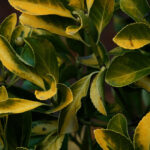
- Yellowing leaves
- Wilting despite wet soil
- Soft stems
- Mold on the soil surface
- Fungus gnats
- Root rot
- Slow growth
Overwatering reduces oxygen around the roots, making it difficult for plants to absorb nutrients.
Signs Your Plants Need More Water
Plants also tell you when they’re thirsty.
Common symptoms include:
- Dry soil
- Drooping leaves
- Brown leaf edges
- Crispy foliage
- Flowers dropping early
- Slow growth
Many plants recover quickly once watered, but repeated underwatering can permanently damage roots and reduce flowering or fruit production.
Container Plants Need More Frequent Watering
Plants grown in pots almost always need water more often than those planted directly in the ground.
Containers have less soil to hold moisture, and they heat up quickly in the sun.
During hot summer weather, some containers may need watering every day—and small pots may even require a second watering during extreme heat. Check the potting mix regularly rather than relying on a fixed routine.
Newly Planted vs. Established Plants
New plants require more attention because their roots haven’t spread into the surrounding soil.
| Plant Stage | Watering Needs |
|---|---|
| Newly planted | Frequent watering |
| First growing season | Regular deep watering |
| Fully established | Water mainly during dry spells |
Once established, many trees, shrubs, and perennial plants become much more drought tolerant.
Soil Type Makes a Difference
Different soils hold water differently.
| Soil Type | Watering Frequency |
|---|---|
| Sandy Soil | More often |
| Clay Soil | Less often |
| Loam Soil | Moderate frequency |
Knowing your soil type helps prevent both overwatering and underwatering.
Mulch Can Reduce Watering
Applying a layer of mulch around plants is one of the easiest ways to conserve moisture.
Benefits include:
- Reduces evaporation
- Keeps roots cooler
- Suppresses weeds
- Improves soil over time
- Reduces watering frequency
Organic mulches such as bark chips, straw, or compost are especially effective at helping soil stay evenly moist.
Common Watering Mistakes
Avoid these beginner mistakes:
| Mistake | Better Approach |
|---|---|
| Watering every day | Water when soil needs it |
| Wetting the leaves | Water at the base of the plant |
| Watering at midday | Water early in the morning |
| Giving quick sprinkles | Water deeply and thoroughly |
| Ignoring rainfall | Check soil before watering |
| Following a strict schedule | Let soil moisture guide you |
Frequently Asked Questions
Can you water plants every day?
Some plants, especially newly planted seedlings or containers during very hot weather, may need daily watering. Most established garden plants, however, benefit from deeper, less frequent watering.
Is it better to water in the morning or evening?
Morning is generally considered the best time because plants absorb water efficiently and leaves dry quickly, reducing the risk of disease.
Should I water after it rains?
Not necessarily. Check the soil first. A brief shower may only wet the surface, while steady rainfall may provide enough moisture for several days.
What’s the biggest watering mistake beginners make?
Overwatering. Many gardeners water out of habit instead of checking whether the soil actually needs moisture.