





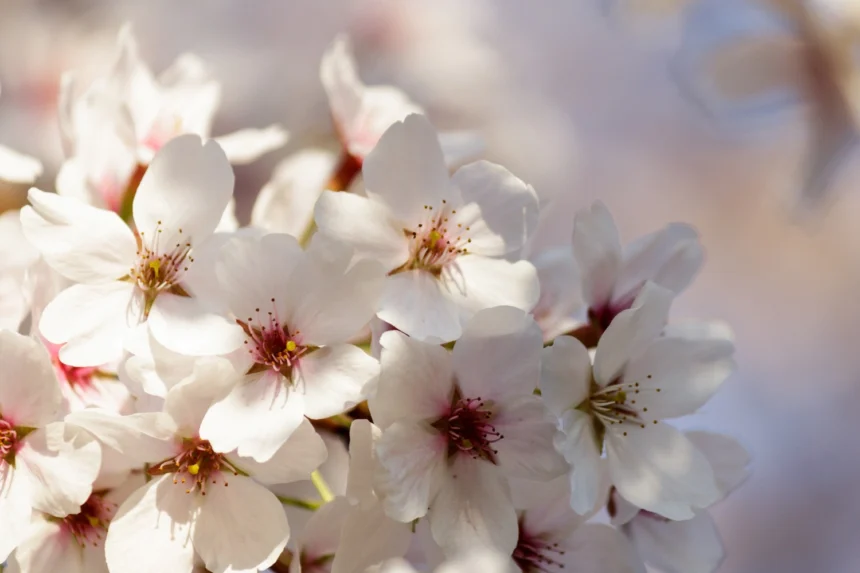
Why Choose Perennial Flowers?
If you want a garden that becomes more beautiful each year with less work, perennial flowers are the way to go.
- Why Choose Perennial Flowers?
- Coneflower (Echinacea)
- Black-Eyed Susan
- Lavender
- Peonies
- Daylilies
- Salvia
- Shasta Daisy
- Coreopsis
- Yarrow
- Bee Balm
- Hellebores
- Astilbe
- Catmint
- Phlox
- Asters
- Hardy Geraniums
- Best Perennial Flowers at a Glance
- Keep Perennials Blooming Longer
- Mix Flowering Times for Color All Season
- Common Mistakes to Avoid
- Frequently Asked Questions
Unlike annuals, which complete their life cycle in a single growing season, perennials survive for multiple years. Many die back during winter before producing fresh growth and flowers again in spring or summer.
Besides reducing planting costs, perennial flowers often become larger and more impressive as they mature. Many also provide valuable food for bees, butterflies, and other pollinators.
Coneflower (Echinacea)
Coneflowers are among the easiest perennials to grow.
Their large daisy-like blooms appear throughout summer in shades such as:
- Purple
- Pink
- White
- Orange
- Yellow
Once established, they’re highly drought-tolerant and attract bees, butterflies, and birds.
Black-Eyed Susan
Known for its cheerful golden-yellow flowers with dark centers, Black-Eyed Susan brings reliable color from midsummer into autumn.
It thrives in:
- Full sun
- Average garden soil
- Warm climates
This hardy perennial is also remarkably easy to care for.
Lavender
Lavender combines beautiful flowers with a wonderful fragrance.
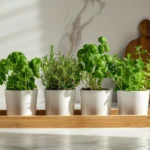
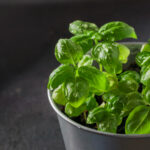
Its long-lasting purple flower spikes attract countless pollinators while filling the garden with scent.
Lavender grows best in:
- Full sun
- Well-drained soil
- Areas with good airflow
Once established, it requires very little watering.
Peonies
Peonies are famous for their spectacular blooms and impressive lifespan.
A healthy peony plant can flower for decades with minimal care.
Available in shades including:
- White
- Pink
- Red
- Coral
Their large, fragrant flowers are among the highlights of late spring and early summer gardens.
Daylilies
Daylilies are reliable performers that adapt to a wide range of growing conditions.


Although each bloom lasts only one day, mature plants produce so many flower buds that the display continues for weeks.
They’re available in almost every color except true blue.
Salvia
Perennial salvias bloom for months, producing upright spikes of colorful flowers.
Popular colors include:
- Blue
- Purple
- Pink
- White
- Red
Regular deadheading often encourages repeat flowering throughout the season. Many salvias are also highly attractive to bees and butterflies.
Shasta Daisy
Shasta daisies offer classic white petals surrounding bright yellow centers.
They’re ideal for:
- Cottage gardens
- Borders
- Cutting gardens
These cheerful flowers bloom throughout summer and are easy to divide every few years to create more plants.
Coreopsis
Coreopsis produces masses of bright flowers over an exceptionally long season.
Depending on the variety, blooms may be:
- Yellow
- Gold
- Orange
- Red
- Bi-colored
It’s also one of the easiest drought-tolerant perennials for beginners.
Yarrow
Yarrow is valued for both its beauty and toughness.
Its flat clusters of tiny flowers appear in:
- White
- Yellow
- Pink
- Peach
- Red
Once established, yarrow tolerates heat, poor soil, and drought remarkably well.
Bee Balm
Bee balm creates bold splashes of color while attracting pollinators.
Its unusual flowers bloom in shades such as:
- Red
- Pink
- Purple
- White
This perennial prefers fertile soil with consistent moisture and performs especially well in cottage-style gardens.
Hellebores
Hellebores are among the first flowers to bloom each year.
Often flowering in late winter or very early spring, they provide welcome color when much of the garden is still dormant.
They’re also excellent for partially shaded gardens.
Astilbe
Astilbe thrives where many flowering plants struggle.
Its feathery plumes appear in:
- White
- Pink
- Red
- Lavender
Unlike many sun-loving perennials, astilbe performs beautifully in partial shade with consistently moist soil.
Catmint
Catmint produces soft lavender-blue flowers over a long flowering season.
It’s prized for:
- Drought tolerance
- Long blooming period
- Low maintenance
- Strong attraction to bees
After the first flush of flowers fades, a light trim often encourages another display later in the season.
Phlox
Garden phlox fills borders with colorful flower clusters during summer.
Common colors include:
- White
- Pink
- Purple
- Red
- Lavender
Its sweet fragrance also attracts butterflies and other beneficial insects.
Asters
Asters become stars of the garden just as many summer flowers begin to fade.
Their late-season blooms provide valuable nectar for pollinators while extending color well into autumn.
They’re available in shades of:
- Purple
- Pink
- White
- Blue
Hardy Geraniums
Not to be confused with bedding geraniums, hardy geraniums are long-lived perennials that spread gently to form attractive ground cover.
Many varieties bloom repeatedly throughout summer and require very little maintenance.
Best Perennial Flowers at a Glance
| Flower | Blooming Season | Best Light |
|---|---|---|
| Coneflower | Summer | Full sun |
| Black-Eyed Susan | Summer–Autumn | Full sun |
| Lavender | Summer | Full sun |
| Peony | Late Spring–Early Summer | Full sun |
| Daylily | Summer | Full sun |
| Salvia | Late Spring–Autumn | Full sun |
| Shasta Daisy | Summer | Full sun |
| Coreopsis | Summer–Autumn | Full sun |
| Yarrow | Summer | Full sun |
| Bee Balm | Summer | Full sun to partial shade |
| Hellebores | Winter–Spring | Partial shade |
| Astilbe | Summer | Partial shade |
| Catmint | Late Spring–Autumn | Full sun |
| Phlox | Summer | Full sun |
| Asters | Late Summer–Autumn | Full sun |
| Hardy Geranium | Spring–Summer | Sun to partial shade |
Keep Perennials Blooming Longer
Although perennial flowers are generally low-maintenance, a little routine care helps them perform at their best.
Simple ways to encourage more blooms include:
- Remove faded flowers where appropriate.
- Water deeply during prolonged dry spells.
- Divide overcrowded plants every few years.
- Add compost around plants each spring.
- Give each plant enough space for good air circulation.
Many perennials become healthier and more productive as they mature, provided they aren’t overcrowded.
Mix Flowering Times for Color All Season
Instead of choosing plants that all bloom together, combine species with different flowering periods.
For example:
| Season | Flower Choices |
|---|---|
| Late Winter–Spring | Hellebores, Peonies |
| Early Summer | Salvia, Shasta Daisy, Lavender |
| Midsummer | Coneflower, Bee Balm, Daylily, Phlox |
| Late Summer–Autumn | Coreopsis, Black-Eyed Susan, Catmint, Asters |
Planning this way ensures your garden always has something in bloom from early spring until autumn. Garden designers often recommend combining early-, mid-, and late-season perennials for continuous color.
Common Mistakes to Avoid
| Mistake | Better Approach |
|---|---|
| Planting only one flowering season | Mix early, mid, and late bloomers |
| Overcrowding plants | Leave room for mature growth |
| Ignoring sunlight requirements | Match flowers to your garden conditions |
| Expecting maximum blooms immediately | Give perennials time to establish |
| Forgetting to divide mature clumps | Divide every few years when necessary |
Frequently Asked Questions
Do perennial flowers bloom every year?
Yes. Most perennials return year after year once established, although the exact flowering period depends on the species and your local climate.
Which perennial flowers bloom the longest?
Salvia, catmint, coreopsis, and some varieties of hardy geranium are known for their exceptionally long flowering seasons, especially when regularly deadheaded.
Are perennial flowers suitable for beginners?
Absolutely. Coneflowers, Black-Eyed Susans, lavender, daylilies, coreopsis, and yarrow are all excellent choices because they’re hardy, reliable, and require relatively little maintenance.
Do perennial flowers need to be replanted every year?
No. That’s one of their biggest advantages. Once planted and established, they continue returning each season, although occasional dividing or pruning helps keep them healthy and productive.