






Why Three Days Is the Perfect Length
Barcelona is a city that blends world-famous architecture, sandy beaches, historic streets, and an incredible food scene. While you could easily spend a week exploring everything it has to offer, three days is enough to see the highlights while still enjoying the city’s relaxed atmosphere.
- Why Three Days Is the Perfect Length
- Before You Arrive
- Day 1: Discover Gaudí’s Masterpieces
- Day 2: Wander Through Barcelona’s Historic Heart
- Day 3: Parks, Panoramic Views, and Local Neighborhoods
- Must-Try Foods in Barcelona
- Getting Around the City
- Practical Travel Tips
- Suggested 3-Day Itinerary
- Common Mistakes First-Time Visitors Make
- Frequently Asked Questions
The key is to organize each day by neighborhood instead of traveling back and forth across the city. This saves time, reduces unnecessary walking, and allows you to experience each area at a comfortable pace.
Before You Arrive
A little planning goes a long way in Barcelona.
Before your trip:


- Book major attractions in advance.
- Wear comfortable walking shoes.
- Download an offline city map.
- Carry a reusable water bottle.
- Use public transportation for longer distances.
Popular attractions like the Sagrada Família and Park Güell often sell out days—or even weeks—ahead, especially during the busy travel season.
Day 1: Discover Gaudí’s Masterpieces
Start your Barcelona adventure with the city’s most famous architect, Antoni Gaudí.
Morning
Begin at the breathtaking Sagrada Família.
Arriving early allows you to enjoy the stunning stained-glass light before larger crowds arrive. Take your time exploring both the interior and exterior, as every detail tells part of Gaudí’s extraordinary vision.
After your visit, enjoy a leisurely walk along Avinguda de Gaudí, one of the city’s most pleasant streets lined with cafés and restaurants.
Afternoon
Head towards Passeig de Gràcia, Barcelona’s elegant shopping boulevard.


Along the way you’ll find two more architectural masterpieces:
- Casa Batlló
- Casa Milà (La Pedrera)
Even if you don’t go inside both buildings, admiring their remarkable facades is well worth your time.
Spend the rest of the afternoon exploring the surrounding streets, boutique shops, and cafés.
Evening
Finish your first day with dinner in the Eixample district.
This neighborhood offers everything from traditional Catalan cuisine to modern tapas bars, making it an excellent place to relax after a day of sightseeing.
Day 2: Wander Through Barcelona’s Historic Heart
Today is all about history, culture, and some of the city’s most atmospheric streets.
Morning
Begin in the Gothic Quarter, one of Barcelona’s oldest neighborhoods.
Lose yourself among:



- Narrow medieval streets
- Hidden squares
- Historic churches
- Charming cafés
- Local boutiques
Don’t rush this part of the city—some of its greatest discoveries are completely unplanned.
From there, continue to La Rambla, one of Barcelona’s most famous boulevards.
Although it’s touristy, it’s still worth experiencing at least once.
Midday
Stop by La Boqueria Market, where colorful fruit displays, seafood counters, local cheeses, cured meats, and freshly prepared meals create one of Europe’s most exciting food markets.
It’s an excellent place for lunch or a quick snack.
Afternoon
Walk over to El Born, a neighborhood filled with independent shops, galleries, beautiful architecture, and relaxed cafés.
Don’t miss:
- Santa Maria del Mar
- Parc de la Ciutadella
- Arc de Triomf
This part of Barcelona feels noticeably different from the Gothic Quarter while maintaining plenty of historic character.
Evening
If the weather is pleasant, continue toward Barceloneta Beach.
Watching the sunset along the Mediterranean coastline is a perfect way to end the day before enjoying fresh seafood or tapas nearby.
Day 3: Parks, Panoramic Views, and Local Neighborhoods
Your final day combines nature, architecture, and spectacular viewpoints.
Morning
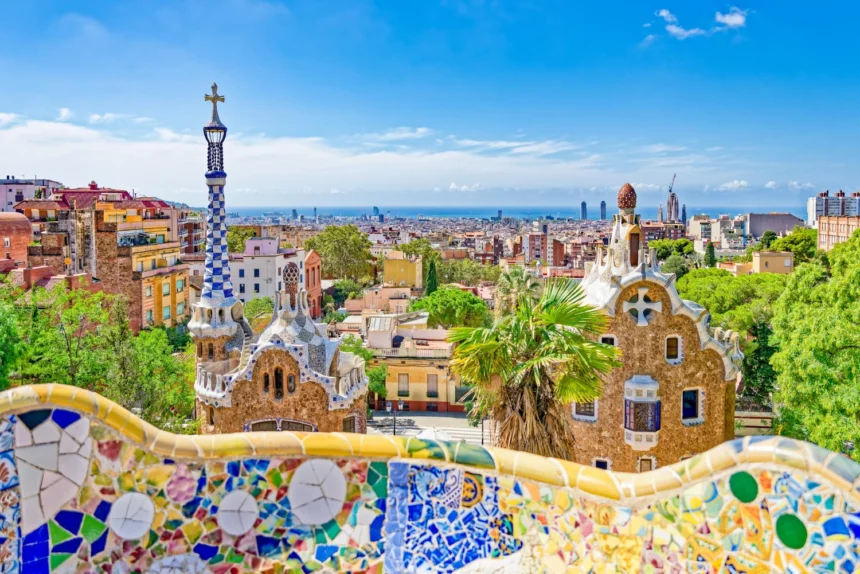
Start early at Park Güell.
Its colorful mosaics, playful architecture, and sweeping city views make it one of Barcelona’s most recognizable attractions.
Because entry is timed and visitor numbers are limited, arriving early generally offers the most enjoyable experience.
Midday
Continue into the nearby Gràcia neighborhood.
Unlike the city’s busiest tourist areas, Gràcia has a more local atmosphere.
Spend time exploring:
- Quiet plazas
- Independent boutiques
- Artisan bakeries
- Small cafés
It’s one of the best places to slow down and experience everyday Barcelona.
Afternoon
Head to Montjuïc Hill.
This area offers several attractions, including:
- Montjuïc Castle
- Beautiful gardens
- Museums
- Scenic viewpoints
The panoramic views over Barcelona, the harbor, and the Mediterranean are among the best in the city.
Evening
End your trip with one final meal overlooking the city or near the waterfront.
There’s no better way to reflect on three memorable days than over traditional Catalan dishes and a relaxed Mediterranean atmosphere.
Must-Try Foods in Barcelona
No visit is complete without sampling some local specialties.
Be sure to try:
- Patatas bravas
- Pan con tomate
- Jamón Ibérico
- Seafood paella
- Bombas
- Croquetas
- Crema Catalana
- Churros with hot chocolate
Barcelona’s food scene ranges from traditional family-run restaurants to innovative modern cuisine, so there’s something for every taste.
Getting Around the City
Barcelona is one of Europe’s easiest cities to explore.
Your best transportation options include:
- Walking
- Metro
- Bus
- Tram
- Bicycle rentals
Many of the city’s main attractions are grouped into walkable neighborhoods, making it easy to combine sightseeing with leisurely exploration.
Practical Travel Tips
A few simple tips can make your visit even smoother.
- Visit major attractions early in the morning.
- Carry comfortable footwear—expect plenty of walking.
- Stay aware of your belongings in crowded areas.
- Keep some cash for small purchases.
- Take breaks during the hottest part of the afternoon in summer.
- Learn a few basic Spanish or Catalan greetings—locals always appreciate the effort.
Suggested 3-Day Itinerary
| Day | Main Areas | Highlights |
|---|---|---|
| Day 1 | Eixample | Sagrada Família, Casa Batlló, Casa Milà, Passeig de Gràcia |
| Day 2 | Gothic Quarter, El Born, Barceloneta | La Rambla, La Boqueria, Santa Maria del Mar, Ciutadella Park, Beach |
| Day 3 | Park Güell, Gràcia, Montjuïc | Park Güell, Local cafés, Castle, Panoramic viewpoints |
Common Mistakes First-Time Visitors Make
| Mistake | Better Choice |
|---|---|
| Trying to see everything | Focus on a few neighborhoods each day |
| Not booking attractions ahead | Reserve tickets before arriving |
| Spending all day on La Rambla | Explore surrounding neighborhoods too |
| Ignoring local cafés | Venture beyond tourist hotspots |
| Wearing uncomfortable shoes | Expect long days on foot |
| Skipping the beaches | Make time for Barcelona’s Mediterranean coastline |
Frequently Asked Questions
Is three days enough for Barcelona?
Yes. Three days gives you enough time to visit the city’s most famous landmarks, enjoy its neighborhoods, experience the local food scene, and even spend some time by the beach without feeling overly rushed.
What’s the best area to stay in?
For first-time visitors, Eixample, the Gothic Quarter, and El Born are all excellent choices thanks to their central locations and easy access to major attractions.
Should I buy attraction tickets in advance?
Absolutely. Popular attractions like the Sagrada Família and Park Güell frequently sell out in advance, particularly during spring, summer, and holiday periods.
What’s the best way to get around Barcelona?
Walking is ideal for exploring individual neighborhoods, while the metro is the quickest way to travel between different parts of the city. Combining both allows you to make the most of your three-day visit.