







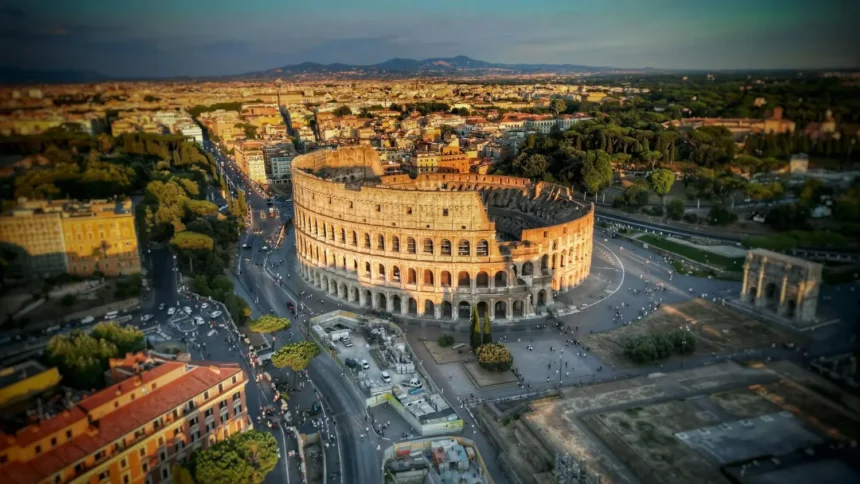
Is Rome Worth Visiting for Just a Few Days?
Absolutely.
- Is Rome Worth Visiting for Just a Few Days?
- One Day in Rome
- Two Days in Rome
- Three Days: The Ideal First Visit
- Four Days Gives You More Flexibility
- Five Days or More
- How Many Days Do Different Travelers Need?
- What Takes the Most Time?
- Don’t Try to See Everything
- The Best Time to Visit Rome
- Tips for Planning Your Stay
- Common Planning Mistakes
- Frequently Asked Questions
Rome is one of those cities where every street seems to tell a story. Ancient ruins stand beside lively cafés, magnificent churches hide priceless works of art, and charming piazzas invite you to slow down and simply enjoy the atmosphere.
While you could spend weeks exploring Italy’s capital, most travelers find that 3 to 5 days is the sweet spot. It gives you enough time to visit the city’s iconic landmarks while still leaving room to wander, relax, and discover hidden corners.
One Day in Rome
If you only have a single day, focus on the city’s biggest highlights rather than trying to squeeze everything in.


A realistic one-day itinerary could include:
- The Colosseum
- Roman Forum (viewpoints or a quick visit)
- Piazza Venezia
- Trevi Fountain
- Pantheon
- Piazza Navona
You’ll cover plenty of ground, but expect a busy day with lots of walking.
This option is best suited for travelers passing through Rome or stopping during a longer Italian vacation.
Two Days in Rome
With two days, your visit becomes much more enjoyable.
You can divide the city into two areas instead of rushing from one attraction to another.
A good plan might look like this:



Day One
- Colosseum
- Roman Forum
- Palatine Hill
- Capitoline Hill
- Piazza Venezia
Day Two
- Pantheon
- Piazza Navona
- Trevi Fountain
- Spanish Steps
- Via del Corso
Two days allow you to appreciate the city’s atmosphere rather than simply checking landmarks off a list.
Three Days: The Ideal First Visit
For many travelers, three days is the perfect introduction to Rome.
You’ll have enough time to explore the major attractions while also discovering neighborhoods beyond the busiest tourist areas.
In addition to the classic sights, you can include:
- Vatican Museums
- St. Peter’s Basilica
- Castel Sant’Angelo
- Trastevere
You’ll also have time to enjoy long Italian dinners, stop for gelato, and relax in lively piazzas without feeling constantly rushed.
Four Days Gives You More Flexibility
Adding an extra day allows you to slow the pace considerably.
Instead of moving nonstop between attractions, you can spend more time enjoying local life.
Some excellent additions include:



- Villa Borghese Gardens
- Borghese Gallery
- Campo de’ Fiori
- Aventine Hill
- Orange Garden (Giardino degli Aranci)
- Mouth of Truth
You can also revisit favorite neighborhoods during the evening when Rome takes on an entirely different atmosphere.
Five Days or More
If your schedule allows five days or longer, Rome becomes much more than a sightseeing destination.
You’ll have opportunities to:
- Explore lesser-known churches
- Visit local markets
- Discover quieter neighborhoods
- Enjoy long café breaks
- Take a cooking class
- Visit additional museums
Many travelers also use Rome as a base for day trips to nearby destinations.
Popular options include:
- Tivoli
- Ostia Antica
- Castel Gandolfo
- Orvieto
Five days offers a much more relaxed experience without feeling like every hour needs to be planned.
How Many Days Do Different Travelers Need?
| Traveler Type | Recommended Stay |
|---|---|
| Quick city break | 2 days |
| First-time visitor | 3 days |
| History lover | 4–5 days |
| Art and museum enthusiast | 5 days |
| Slow traveler | 6–7 days |
There’s no single perfect answer—the right length depends on your travel style and interests.
What Takes the Most Time?
Some attractions require far more time than others.
| Attraction | Average Visit |
|---|---|
| Colosseum | 2–3 hours |
| Roman Forum & Palatine Hill | 2–4 hours |
| Vatican Museums | 3–5 hours |
| St. Peter’s Basilica | 1–2 hours |
| Pantheon | 30–60 minutes |
| Trevi Fountain | 20–30 minutes |
| Piazza Navona | 30–60 minutes |
| Villa Borghese | 2–3 hours |
Keeping these estimates in mind makes it easier to plan realistic sightseeing days.
Don’t Try to See Everything
One of the biggest mistakes first-time visitors make is trying to visit every famous landmark in a single trip.
Rome rewards slower travel.
Instead of rushing through endless attractions, leave time to:
- Sit in a piazza with a coffee.
- Wander down quiet side streets.
- Browse local shops.
- Enjoy long lunches.
- Watch the city come alive in the evening.
Some of the best memories are often made between the major landmarks.
The Best Time to Visit Rome
Rome can be visited year-round, but each season offers a different experience.
Spring
- Pleasant temperatures
- Flowers in bloom
- Excellent sightseeing weather
Summer
- Long daylight hours
- Lively atmosphere
- Larger crowds
- Hot afternoons
Autumn
- Comfortable temperatures
- Slightly fewer tourists
- Great weather for walking
Winter
- Shorter queues
- Festive atmosphere around Christmas
- Cooler but generally mild weather
Many travelers consider spring and early autumn the most comfortable times to explore the city.
Tips for Planning Your Stay
A few simple decisions can make your trip much smoother.
- Book popular attractions in advance.
- Stay in a central neighborhood if possible.
- Wear comfortable walking shoes.
- Start sightseeing early in the morning.
- Allow time for breaks between attractions.
- Use public transport for longer journeys rather than walking everywhere.
Common Planning Mistakes
| Mistake | Better Approach |
|---|---|
| Visiting too many attractions in one day | Limit yourself to two or three major sights |
| Ignoring travel time | Explore nearby attractions together |
| Skipping the Vatican | Set aside at least half a day |
| Planning every minute | Leave room for spontaneous discoveries |
| Only visiting famous landmarks | Spend time in neighborhoods like Trastevere or Monti |
Frequently Asked Questions
Is three days enough for Rome?
Yes. Three days is widely considered the ideal amount of time for first-time visitors. You’ll be able to see the city’s major attractions while still enjoying its food, neighborhoods, and atmosphere.
Is Rome walkable?
Very much so. Many of the city’s most famous attractions are within walking distance of one another, although you’ll likely use public transport for destinations farther apart.
Should I visit Rome or Florence if I only have a few days?
Both cities are incredible, but Rome offers a broader mix of ancient history, world-famous landmarks, museums, and vibrant neighborhoods. Florence is more compact and can be explored comfortably in a shorter amount of time.
Can you visit Rome in a weekend?
Yes. A weekend is enough to experience many of Rome’s highlights, especially if you plan your itinerary carefully. However, staying three or four days allows for a much more relaxed and rewarding visit.