







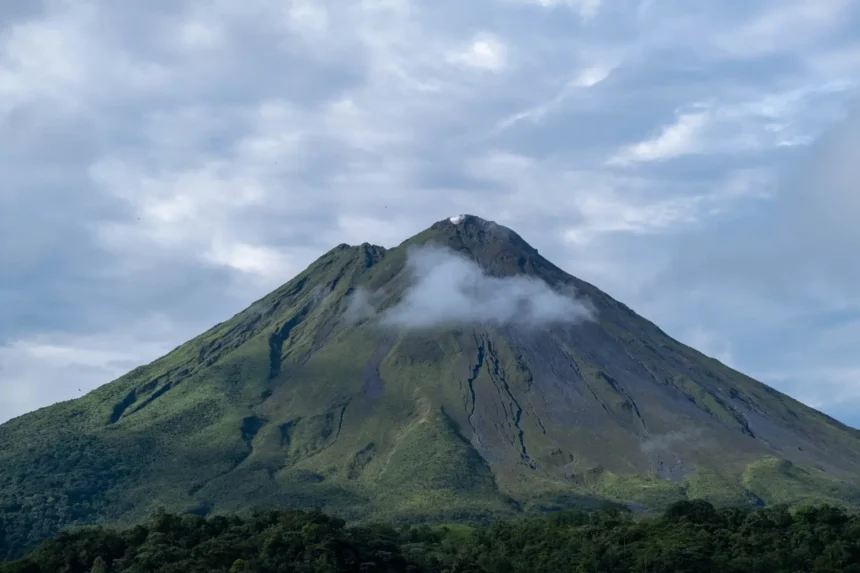
Can You Visit an Active Volcano?
Yes—you can.
- Can You Visit an Active Volcano?
- Mount Etna, Italy
- Mount Fuji, Japan
- Arenal Volcano, Costa Rica
- Teide, Spain
- Kīlauea, Hawaii, United States
- Pacaya Volcano, Guatemala
- Mount Batur, Indonesia
- Pico Volcano, Portugal
- Yasur Volcano, Vanuatu
- Mount Ngauruhoe, New Zealand
- Masaya Volcano, Nicaragua
- Bromo, Indonesia
- Volcanoes Worth Visiting
- Safety Tips for Visiting Volcanoes
- Best Time to Visit
- Common Mistakes Travelers Make
- Frequently Asked Questions
Many volcanoes around the world welcome visitors every year. Some are dormant, while others remain active but are carefully monitored by scientists and local authorities.
That said, volcanic activity can change quickly. Before planning a visit, always check current safety conditions, follow local guidance, and never enter restricted areas.
Mount Etna, Italy
Europe’s largest active volcano is also one of its most accessible.
Located on the island of Sicily, Mount Etna offers visitors the chance to explore dramatic lava fields, volcanic craters, and breathtaking views of the Mediterranean.
Popular activities include:
- Guided hikes
- Cable car rides
- Off-road tours
- Wine tasting on volcanic slopes
Because of its frequent activity, some areas may close temporarily depending on volcanic conditions.
Mount Fuji, Japan
Although Mount Fuji is an active volcano, it has not erupted since 1707.
Its perfectly symmetrical cone has become one of Japan’s most recognizable landmarks.
Visitors can enjoy:

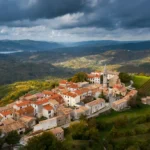
- Hiking during the official climbing season
- Scenic viewpoints
- Nearby lakes
- Cultural sites
- Sunrise climbs
Even those who don’t climb can admire its beauty from numerous surrounding locations.
Arenal Volcano, Costa Rica
Arenal was once one of the world’s most active volcanoes.
Today, while volcanic activity is much lower, it remains one of Costa Rica’s top attractions.
Visitors can experience:
- Hiking trails
- Hot springs
- Hanging bridges
- Wildlife watching
- Rainforest adventures
The surrounding national park offers spectacular scenery.
Teide, Spain
Towering above Tenerife in the Canary Islands, Mount Teide is Spain’s highest peak.
Its volcanic landscape feels almost otherworldly, with lava fields, unusual rock formations, and sweeping views above the clouds.
Visitors can:


- Ride a cable car
- Hike designated trails
- Watch the sunset
- Enjoy world-class stargazing
The national park surrounding Teide is a UNESCO World Heritage Site.
Kīlauea, Hawaii, United States
Kīlauea is one of the world’s most famous active volcanoes.
Depending on current volcanic activity, visitors may witness:
- Steam vents
- Crater views
- Solidified lava fields
- Scenic overlooks
- Volcanic landscapes
Access varies depending on safety conditions, so it’s essential to follow all official guidance.
Pacaya Volcano, Guatemala
Pacaya offers one of Central America’s most popular volcano hikes.
The trail takes visitors across ancient lava fields with panoramic views of the surrounding landscape.
Depending on volcanic activity, you may even see warm volcanic rock near the summit.
Guided tours are strongly recommended.
Mount Batur, Indonesia
Watching the sunrise from Mount Batur has become one of Bali’s most popular experiences.
The early morning hike rewards visitors with:
- Spectacular sunrise views
- Mountain scenery
- Volcanic landscapes
- Views across Lake Batur
The climb is considered manageable for most reasonably fit travelers.
Pico Volcano, Portugal
Located in the Azores, Pico is Portugal’s highest mountain.
The volcano rises dramatically from the Atlantic Ocean and offers one of Europe’s most rewarding hikes.
On clear days, hikers enjoy sweeping views across neighboring islands.
Yasur Volcano, Vanuatu
Few volcanoes offer such a dramatic experience.
Yasur is famous for its frequent volcanic eruptions, which can often be observed safely from designated viewing areas under appropriate conditions.
Visitors may witness:
- Lava bursts
- Ash clouds
- Glowing craters
- Thunder-like explosions
Because activity levels change regularly, access is closely managed.
Mount Ngauruhoe, New Zealand
Known to many as the filming location for Mount Doom in The Lord of the Rings, Mount Ngauruhoe is one of New Zealand’s most recognizable volcanoes.
Although climbing the summit is discouraged to help protect its cultural significance, nearby hiking routes provide spectacular views of the volcanic landscape.
Masaya Volcano, Nicaragua
Masaya is one of the few volcanoes where visitors may be able to observe an active lava lake when conditions allow.
The volcano is accessible by road, making it one of the easiest active volcanic sites to visit.
Night visits can be particularly impressive when the glowing lava is visible.
Bromo, Indonesia
Mount Bromo is one of Southeast Asia’s most photographed volcanoes.
The classic experience includes:
- Sunrise viewpoints
- Crossing volcanic sand plains
- Hiking to the crater rim
- Panoramic mountain scenery
Its dramatic landscape attracts photographers from around the world.
Volcanoes Worth Visiting
| Volcano | Country | Famous For |
|---|---|---|
| Mount Etna | Italy | Europe’s largest active volcano |
| Mount Fuji | Japan | Iconic volcanic peak |
| Arenal | Costa Rica | Rainforest and hot springs |
| Mount Teide | Spain | Volcanic national park |
| Kīlauea | United States | Active volcanic landscapes |
| Pacaya | Guatemala | Guided lava field hikes |
| Mount Batur | Indonesia | Sunrise trekking |
| Pico | Portugal | Atlantic island climbing |
| Yasur | Vanuatu | Visible volcanic eruptions |
| Mount Ngauruhoe | New Zealand | Dramatic volcanic scenery |
| Masaya | Nicaragua | Lava lake viewpoints |
| Mount Bromo | Indonesia | Spectacular sunrise views |
Safety Tips for Visiting Volcanoes
Volcanoes are fascinating, but they should always be treated with respect.
Before visiting:
- Check current volcanic activity.
- Follow official warnings and closures.
- Stay on marked trails.
- Wear sturdy hiking shoes.
- Carry water and sun protection.
- Visit with a licensed guide when recommended.
- Never cross safety barriers.
Conditions can change rapidly, even at volcanoes that are popular with tourists.
Best Time to Visit
Many volcanoes are best explored during the dry season when hiking trails are safer and visibility is better.
Early morning visits often provide:
- Cooler temperatures
- Clearer skies
- Better photography
- Fewer visitors
Research seasonal weather before planning your trip.
Common Mistakes Travelers Make
| Mistake | Better Choice |
|---|---|
| Ignoring volcanic alerts | Check current conditions before visiting |
| Leaving marked trails | Stay within designated visitor areas |
| Wearing unsuitable footwear | Choose sturdy hiking shoes |
| Underestimating the weather | Bring extra layers, even in warm climates |
| Visiting without enough water | Stay hydrated, especially on longer hikes |
Frequently Asked Questions
Is it safe to visit active volcanoes?
Yes, many active volcanoes can be visited safely when they are open to the public and local authorities consider conditions suitable. Always follow official advice and respect any closures or safety zones.
Which volcano is easiest to visit?
Mount Etna, Mount Teide, Mount Fuji (during climbing season), and Masaya Volcano are among the most accessible volcanic destinations thanks to established visitor facilities and well-maintained routes.
Can you see lava at these volcanoes?
Sometimes. Volcanoes such as Yasur, Masaya, and Kīlauea may offer opportunities to observe glowing lava when volcanic activity and safety conditions allow. Visibility is never guaranteed and depends entirely on current activity.
Do you need a guide to visit a volcano?
Not always. Some volcanoes have clearly marked trails suitable for independent visitors, while others—particularly active or remote volcanoes—are best explored with experienced local guides for both safety and navigation.