






What Are the Northern Lights?
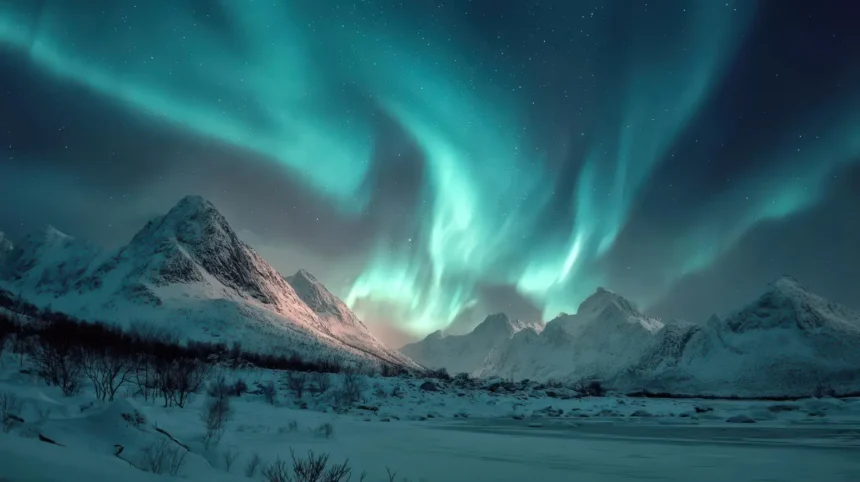
The Northern Lights, also known as the Aurora Borealis, are colorful displays of light that appear when charged particles from the Sun interact with Earth’s atmosphere.
- What Are the Northern Lights?
- Tromsø, Norway
- Abisko, Sweden
- Finnish Lapland
- Iceland
- Fairbanks, Alaska, USA
- Yellowknife, Canada
- Rovaniemi, Finland
- Senja, Norway
- Svalbard, Norway
- Murmansk, Russia
- Greenland
- Best Places to See the Northern Lights
- When Is the Best Time to See the Northern Lights?
- Tips for Seeing the Aurora
- Common Mistakes Travelers Make
- Frequently Asked Questions
The result is an incredible natural phenomenon that can fill the night sky with moving waves of green, purple, pink, red, and even blue light.
Although the aurora can occasionally be seen farther south during periods of intense solar activity, your chances are much higher in regions close to the Arctic Circle.
Tromsø, Norway
Tromsø is often considered one of the world’s best destinations for Northern Lights hunting.

Located well above the Arctic Circle, the city combines excellent aurora visibility with comfortable hotels, restaurants, and guided tours.
Besides the lights, visitors can enjoy:
- Dog sledding
- Whale watching
- Reindeer experiences
- Fjord cruises
- Arctic cable car views
Its accessibility makes it an excellent choice for first-time visitors.
Abisko, Sweden
Abisko has earned an outstanding reputation thanks to its unique microclimate.
The surrounding mountains often create clearer skies than many nearby regions, improving the chances of seeing the aurora.
Popular activities include:
- Aurora viewing tours
- Snowshoeing
- Cross-country skiing
- Ice climbing
- Winter hiking
It’s one of Scandinavia’s most reliable locations for clear winter nights.
Finnish Lapland
Finnish Lapland offers a magical winter setting filled with snowy forests, frozen lakes, and cozy cabins.
Some visitors even stay in glass-roofed accommodations designed for watching the night sky from bed.
Other experiences include:
- Husky safaris
- Snowmobile adventures
- Ice fishing
- Sauna experiences
- Meeting reindeer
The peaceful surroundings make the aurora feel even more special.
Iceland
Iceland combines Northern Lights viewing with some of the world’s most dramatic landscapes.
Depending on your location, you may watch the aurora dancing above:
- Waterfalls
- Volcanoes
- Black sand beaches
- Glaciers
- Lava fields
Renting a car gives travelers the flexibility to drive toward clearer skies if cloud cover develops.


Fairbanks, Alaska, USA
Fairbanks is one of North America’s premier aurora destinations.
Its inland location often provides clear winter skies, while its latitude places it directly beneath the auroral oval.
Visitors can combine Northern Lights viewing with:
- Hot springs
- Ice museums
- Snowmobiling
- Wildlife experiences
- Winter festivals
The viewing season lasts for several months.
Yellowknife, Canada
Yellowknife is famous for its exceptionally high number of clear nights during winter.
Many travelers spend several evenings here because the chances of seeing the aurora are among the highest anywhere in the world.
Winter activities include:
- Ice roads
- Snowmobiling
- Dog sledding
- Indigenous cultural experiences
Rovaniemi, Finland
Known as the official hometown of Santa Claus, Rovaniemi is also a fantastic place to hunt for the Northern Lights.
Families especially enjoy combining aurora viewing with:
- Santa Claus Village
- Reindeer farms
- Husky rides
- Snow activities
- Arctic wildlife parks
It’s one of the easiest Arctic destinations to reach.
Senja, Norway
While many visitors choose Tromsø, the nearby island of Senja offers spectacular scenery with fewer crowds.
Expect to find:
- Dramatic mountains
- Quiet beaches
- Coastal roads
- Fishing villages
- Excellent photography opportunities
The combination of sea, mountains, and auroras creates unforgettable views.
Svalbard, Norway
Svalbard offers a unique opportunity to see the Northern Lights during the Polar Night, when the sun doesn’t rise for weeks.
The remote Arctic archipelago also features:
- Polar bear territory
- Glaciers
- Snowmobile tours
- Ice caves
- Frozen fjords
Because of its extreme location, guided excursions are strongly recommended.
Murmansk, Russia
As one of the largest cities north of the Arctic Circle, Murmansk has long been known as a popular destination for viewing the aurora.
The surrounding wilderness provides darker skies away from city lights, improving viewing conditions.
Travel requirements should always be checked before planning a visit.
Greenland
Greenland offers one of the world’s most remote and unforgettable aurora experiences.
Visitors can watch the lights above:
- Icebergs
- Fjords
- Snow-covered mountains
- Tiny coastal settlements
Its untouched Arctic landscapes create an extraordinary backdrop for the phenomenon.
Best Places to See the Northern Lights
| Destination | Country | Best Known For |
|---|---|---|
| Tromsø | Norway | Easy access and Arctic adventures |
| Abisko | Sweden | Clear skies |
| Finnish Lapland | Finland | Glass cabins and winter activities |
| Iceland | Iceland | Aurora above volcanic landscapes |
| Fairbanks | USA | Long viewing season |
| Yellowknife | Canada | Frequent clear nights |
| Rovaniemi | Finland | Family-friendly Arctic experiences |
| Senja | Norway | Scenic coastal landscapes |
| Svalbard | Norway | Polar Night viewing |
| Murmansk | Russia | Arctic wilderness |
| Greenland | Greenland | Remote Arctic scenery |
When Is the Best Time to See the Northern Lights?
The aurora season generally runs from late autumn to early spring.
The best months are often:
- September
- October
- November
- February
- March
Long, dark nights provide the best opportunity for viewing.
Clear skies are just as important as solar activity.
Tips for Seeing the Aurora
Seeing the Northern Lights requires a little patience.
To improve your chances:
- Stay for at least three or four nights.
- Travel away from city lights.
- Check weather forecasts for clear skies.
- Dress in warm layers.
- Be prepared to wait outdoors.
- Keep your camera ready.
The aurora is never guaranteed, but spending multiple nights in a good viewing location greatly increases your chances.
Common Mistakes Travelers Make
| Mistake | Better Choice |
|---|---|
| Booking only one night | Stay several nights for better odds |
| Ignoring weather forecasts | Choose locations with clear skies |
| Staying in brightly lit cities | Head into darker surrounding areas |
| Underestimating Arctic temperatures | Wear proper winter clothing |
| Expecting the lights to appear on schedule | Be patient and flexible |
Frequently Asked Questions
Where is the best place in the world to see the Northern Lights?
Tromsø, Abisko, Yellowknife, and Fairbanks are consistently ranked among the best destinations thanks to their location beneath the auroral oval and excellent winter conditions.
When is the best month to see the Northern Lights?
February, March, September, and October are often considered excellent months because they combine long nights with relatively stable weather in many Arctic destinations.
Can you predict the Northern Lights?
Scientists can forecast levels of solar activity, but weather conditions play a major role. Even with strong aurora activity, cloud cover can prevent visibility.
How many nights should I stay?
A stay of at least three to five nights gives you a much better chance of seeing the Northern Lights, especially if the weather is unpredictable.