





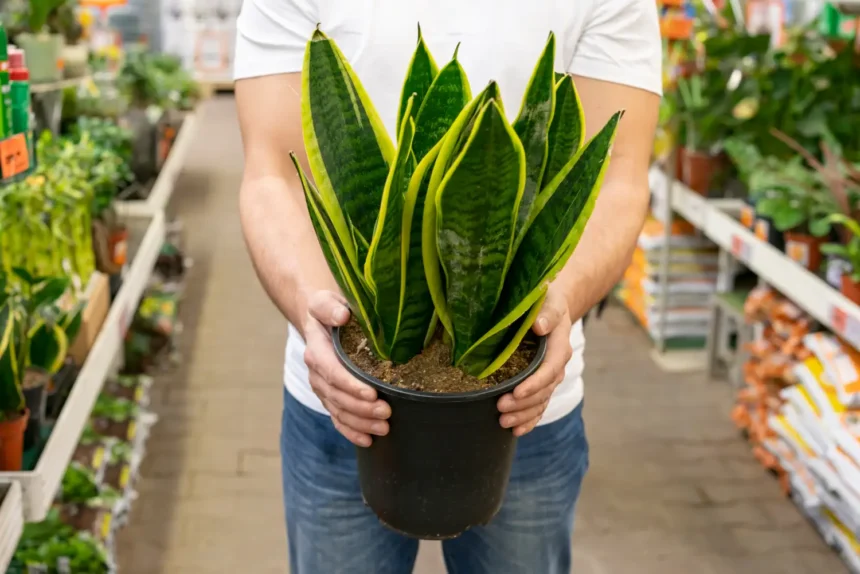
The snake plant has earned its reputation as one of the easiest houseplants to keep alive, but that does not mean it is impossible to get things wrong. Most problems come from treating it too generously—especially with water—or assuming that because it tolerates difficult conditions, those conditions are ideal.
- What Is a Snake Plant?
- Choosing a Snake Plant Variety
- Choosing the Best Pot and Potting Soil
- How to Plant a Snake Plant Step by Step
- How Much Light Does a Snake Plant Need?
- How Often Should You Water a Snake Plant?
- Temperature, Humidity, and Seasonal Care
- Can You Plant a Snake Plant Outdoors?
- Fertilizing Snake Plants
- Pruning Snake Plants
- Propagating Snake Plants
- Common Snake Plant Problems
- Do Snake Plants Purify Indoor Air?
- Snake Plant Toxicity and Pets
- Why Snake Plants Are Excellent for Beginners
- How to Help Snake Plants Thrive Long Term
- FAQs About Snake Plant Care
For beginners, that is actually good news. You do not need an elaborate routine. Understanding how the roots, soil, light, and watering schedule work together is enough to give your plant a strong start.
This care guide covers everything from choosing a pot and soil to propagation, pruning, outdoor growing, common varieties, and troubleshooting. Whether this is your first indoor plant or simply the latest addition to your collection, the following advice will help you establish a routine that is easy to maintain.
What Is a Snake Plant?
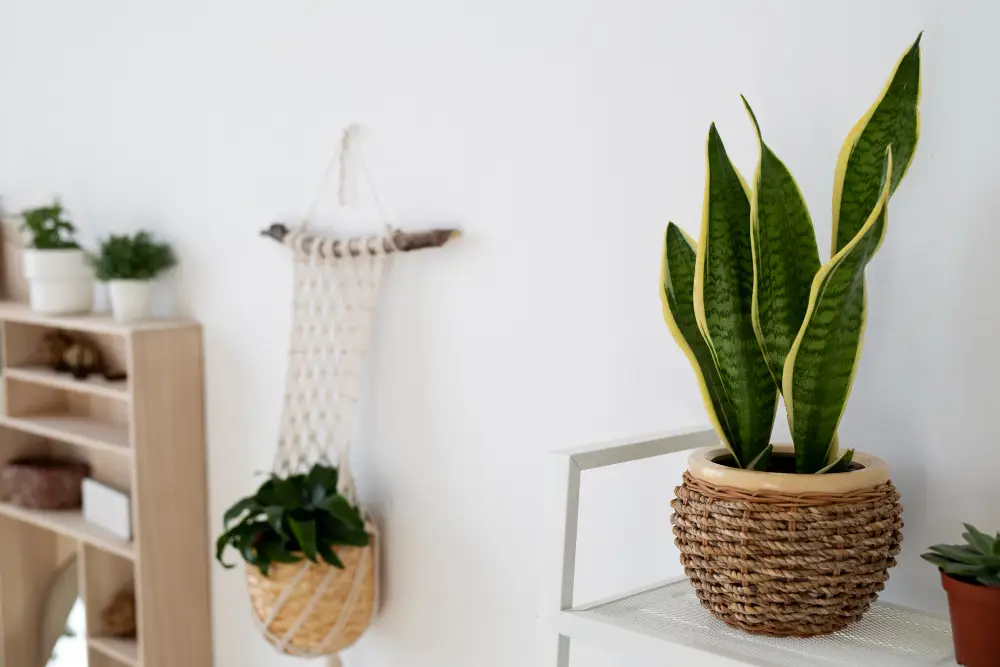
The familiar snake plant is now botanically classified as dracaena trifasciata, although many nurseries and gardening resources still use its former name, sansevieria trifasciata. You will often encounter both names when shopping for a plant.


The plant is also commonly called motherinlaws tongue, thanks to its long, pointed foliage. Another traditional name is saint georges sword, which refers to the plant’s distinctive blade-like appearance.
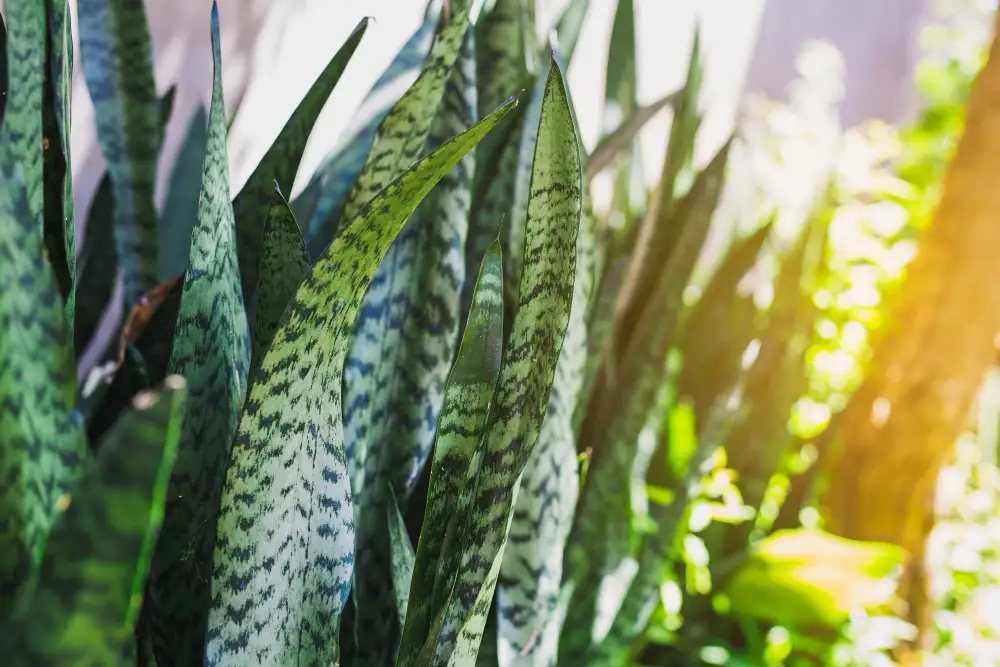
The common snake plant typically produces rigid, upright leaves that grow directly from the base. Depending on the cultivar, these may have mottled patterns, yellow edges, silvery tones, dark green bands, or almost solid green leaves.
Those architectural swordlike leaves are among the plant’s most recognizable special features. Unlike many flowering plants, snake plants are primarily valued for their foliage, although mature specimens can occasionally flower under favorable conditions.
Snake plants also have a long history beyond modern interior design, with various traditions contributing to their cultural significance. Today, however, their worldwide popularity is largely explained by their durability and distinctive appearance.
Choosing a Snake Plant Variety
There are numerous varieties and cultivars available, ranging from compact plants for desks to dramatic specimens capable of becoming substantial floor plants.
Although shoppers sometimes use the term species of snake plant broadly, many plants sold under the snake plant name are different species, selections, or cultivars within the wider Dracaena group.

Here are several worth considering.
| Variety | Appearance | Size/Growth Habit | Good Choice For |
|---|---|---|---|
| common snake plant | Green patterned foliage, sometimes yellow-edged | Tall and upright | Beginners and floor displays |
| moonshine snake plant | Pale, silvery-green foliage | Upright and moderately tall | Modern interiors |
| sansevieria zeylanica | Patterned dark green leaves | Tall and architectural | Classic houseplant displays |
| bantels sensation | Narrow leaves with pale vertical striping | Slender and upright | Bright rooms and decorative displays |
| bird nest | Short leaves arranged in compact rosettes | Small and compact | Desks and shelves |
| cylindrical snake plant | Thick, rounded spear-like foliage | Upright and sculptural | Minimalist interiors |
The african spear plant is another name commonly associated with cylindrical snake plant types. Its rounded leaves create a dramatically different appearance from the flat foliage most people associate with snake plants.
The moonshine snake plant, meanwhile, is especially attractive if you want something less conventional. Its pale leaves can appear almost silver in the right lighting.
Retailers such as costa farms have helped make many snake plant forms widely available, but local nurseries and independent garden centers may also carry unusual selections.
Whichever snake plant variety you choose, prioritize health over size. Look for firm foliage, healthy roots, and leaves without large soft or rotten areas.
Choosing the Best Pot and Potting Soil
Good drainage is one of the foundations of successful snake plant care.
Start with a container that has functional drainage holes. Water must be able to leave the pot freely. A beautiful container that traps water around the roots creates unnecessary risk, particularly for someone still learning when to water.
Avoid choosing an enormous pot for a small plant. A large volume of unused potting soil retains moisture longer than necessary, which can make overwatering easier.



The growing medium itself should be loose and fast-draining.
A commercial succulent or cactus potting mix is often a practical choice. You can also use regular houseplant mix amended with coarse components that improve aeration and drainage.
You may see this type of substrate described as welldraining soil. The exact ingredients can vary; what matters is that water moves through the root zone instead of leaving it saturated for days.
Snake Plant Soil Compared With Other Common Plants
| Plant | Preferred Moisture Pattern | Soil Requirement | Main Beginner Risk |
|---|---|---|---|
| Snake plant | Allow substantial drying | Loose, fast-draining mix | Overwatering and root rot |
| spider plant | More consistent moisture | Well-drained general houseplant soil | Letting it remain excessively dry |
| peace lily | More evenly moist | Moisture-retentive but draining | Severe drying or waterlogging |
| christmas cactus | Moderate moisture with drainage | Airy organic mix | Treating it exactly like a desert cactus |
| Orchid | Depends on type; generally highly aerated roots | Specialized medium | Using dense conventional soil |
This is one reason orchid care should not simply be copied when caring for snake plants. Different plants have evolved around different root environments.
The same is obviously true of outdoor garden plants and fruit trees, which have very different soil volumes, root systems, climates, and nutritional requirements.
How to Plant a Snake Plant Step by Step
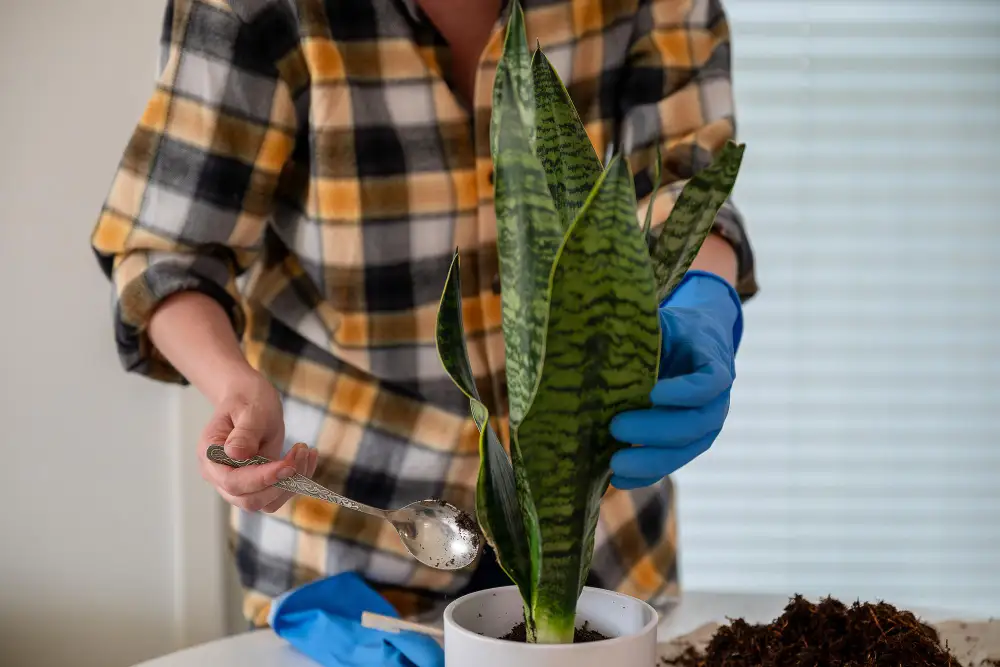
Once you have your plant, pot, and soil, planting is straightforward.
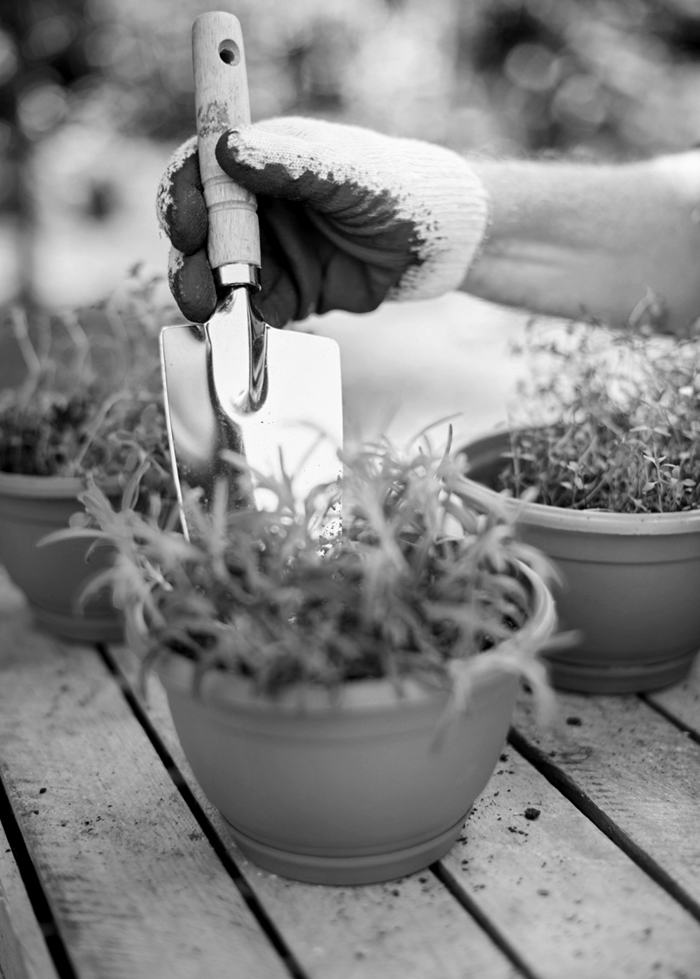
First, inspect the roots. Healthy roots and rhizomes should generally feel firm. Remove obviously rotten material with a clean tool if necessary.
Add some fresh mix to the bottom of the container and position the root system so that the plant sits at approximately the same depth it occupied previously. Do not bury the foliage deeply.
Fill around the root ball with fresh soil, gently settling it into place without compressing it into a hard mass.
The finished pot should support the plant securely while still allowing air and water to move through the root zone.
If the plant was already excessively wet when purchased, do not automatically water it again just because you have repotted it. Check the actual moisture level first.
How Much Light Does a Snake Plant Need?
Snake plants have become famous for surviving low light, but this has created one of the biggest misconceptions about them.
Tolerance is not preference.
snake plants prefer useful, consistent illumination and usually perform particularly well in bright indirect light. They can adapt to lower light, but growth often becomes slower.
Understanding your home’s lighting conditions is therefore important.
A position receiving bright light without hours of scorching midday direct sun is often excellent. Some gentle direct morning or late-afternoon sunlight can also be suitable, especially when the plant has been gradually acclimated.
If moving a plant from a dim shop or room into stronger sunlight, make the transition progressively. Sudden exposure to intense sun can damage foliage.
Comparing Light Conditions for Snake Plants
| Light Condition | Can It Survive? | Expected Growth | Watering Implications |
|---|---|---|---|
| low light | Usually | Slow | Soil stays wet longer |
| lower light | Yes | Slow to moderate | Water cautiously |
| indirect light | Yes | Good | Balanced drying |
| bright indirect | Yes | Very good | Usually ideal |
| bright indirect light | Yes | Excellent | Strong balance of growth and moisture use |
| bright light | Usually | Good to strong | Soil may dry faster |
| Strong direct sun | Sometimes | Depends on acclimation | Risk of leaf stress or scorching |
Different light levels can dramatically change how quickly the pot dries. This is why two identical snake plants in different rooms may require water at completely different intervals.
How Often Should You Water a Snake Plant?
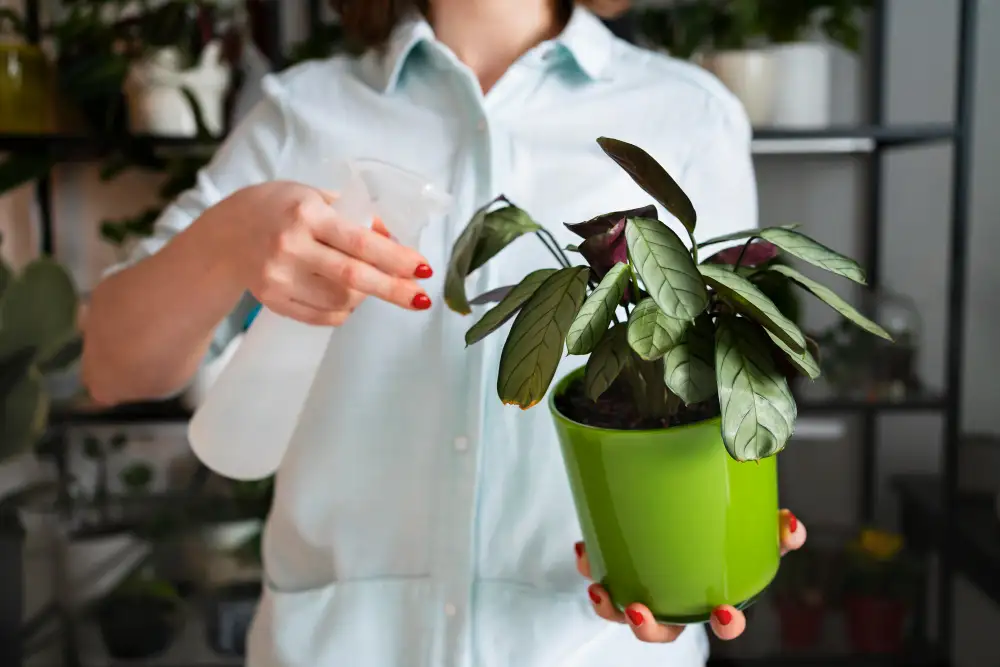
Watering is where beginners need to exercise the most restraint.
Snake plants are drought tolerant and store moisture in their thick leaves and underground structures. They can survive on surprisingly little water, particularly when growth is slow.
Instead of watering every Saturday or every two weeks, check the soil.
Ideally, the soil dries thoroughly before the next watering. In many indoor environments, the medium dries out completely between drinks.
Another useful way to remember the rule is to let the soil dry completely between waterings.
Once it is dry, water thoroughly enough to moisten the root zone and allow the excess to escape through the bottom of the container. Empty any water that collects in an outer decorative pot or saucer rather than leaving the roots standing in it.
This wet-then-dry approach is generally safer than repeatedly giving the plant small amounts of water.
Why Overwatering Is Dangerous
Too much moisture deprives roots of the conditions they need and can encourage root rot.
Warning signs may include:
- yellowing foliage;
- soft or mushy leaf bases;
- leaves collapsing despite wet soil;
- unpleasant-smelling soil;
- dark, soft roots.
If you suspect rot, remove the plant from its pot and inspect the root system rather than trying to solve the problem by adding fertilizer.
Temperature, Humidity, and Seasonal Care
Average indoor temperatures suit snake plants well.
Unlike some tropical houseplants, they generally do not require unusually high humidity levels. Normal household humidity is usually adequate, making them convenient for bedrooms, offices, and living spaces.
Season also matters.
During the active growing season, particularly spring and summer, increased light and warmth may encourage faster growth and faster water use.
During darker, cooler periods, growth often slows. Watering should usually slow with it.
This seasonal adjustment is more useful than following an inflexible calendar throughout the year.
Can You Plant a Snake Plant Outdoors?
Yes, but climate matters.
You can plant outdoors permanently only where temperatures remain suitable. Snake plants are tropical and should not be exposed to freezing conditions.
Check your local usda zone before treating a snake plant as a permanent outdoor landscape plant.
Gardeners in colder climates can still place potted plants outside during warm weather. Introduce them gradually to outdoor conditions and bring them back inside before temperatures become dangerously low.
Remember that an indoor specimen moved outdoors may suddenly receive much stronger sunlight, wind, rain, and temperature fluctuations. Acclimation is important.
Fertilizing Snake Plants
Snake plants do not need aggressive feeding.
A diluted, balanced houseplant fertilizer applied occasionally during active growth is usually sufficient. Feeding is most appropriate during spring and summer, when the plant is actively using resources.
More fertilizer does not automatically make a plant thrive.
Adequate light, healthy roots, appropriate watering, and good soil structure matter much more. Excessive fertilizer can create new problems instead of accelerating healthy development.
If your snake plants grow slowly but otherwise look healthy, consider the season and available light before assuming they need more nutrients.
Pruning Snake Plants
pruning snake plants is simple because they do not require regular shaping in the same way as shrubs or many outdoor plants.
Remove foliage that is severely damaged, diseased, or rotten by cutting the leaf close to its base with a clean, sharp tool.
Avoid casually cutting the tips from healthy leaves to reduce height. The leaf will not recreate its natural pointed end, so the cut may remain visible.
When examining the plants leaves, look for changes in texture as well as color. Firm foliage is generally encouraging, while widespread softness can indicate a moisture problem.
Healthy plants may display everything from pale silver to striped green leaves, depending on the cultivar.
Propagating Snake Plants
Propagation is one of the most satisfying parts of any beginner growing guide, and snake plants provide several options.
Propagation by Division
Division is usually the fastest method.
Remove the plant from its container and locate separate clusters connected by underground rhizomes. Divide the plant carefully, ensuring each section retains healthy roots and foliage, then pot each division separately.
This method is particularly useful for preserving variegation.
Propagation From a Leaf Cutting
A leaf cutting can also produce new plants.
Choose a healthy mature leaf and cut it into sections. Keep track of which end originally pointed toward the soil, because orientation matters when planting the sections.
Allow the cut surfaces to dry briefly before placing them into an appropriate propagation medium.
Be patient. Rooting and new growth can take time, and variegated cultivars propagated from leaves may not always reproduce the exact coloration of the parent.
Common Snake Plant Problems
Despite being easy to grow, snake plants can develop problems when their basic requirements are ignored.
Leaves Turning Yellow
Check the soil first.
Yellow leaves combined with persistently wet soil strongly suggest that the roots are receiving too much moisture. Investigate for root rot, particularly if the foliage is also soft.
Leaves Wrinkling or Curling
Severe dehydration can eventually affect even a drought-tolerant plant. If the soil has remained completely dry for an extended period and leaves are wrinkled, the plant may need a thorough watering.
Brown or Damaged Leaves
Possible causes include physical injury, inconsistent watering, cold exposure, or excessive sunlight. Diagnose the surrounding conditions instead of assuming every brown mark has the same cause.
Pest Problems
Although snake plants are relatively resistant, pests can occasionally appear.
Inspect new plants before placing them beside an established collection. Depending on the pest and severity, treatments may include cleaning the foliage or appropriately using products such as neem oil.
Always follow product instructions rather than assuming that a stronger concentration will work better.
Do Snake Plants Purify Indoor Air?
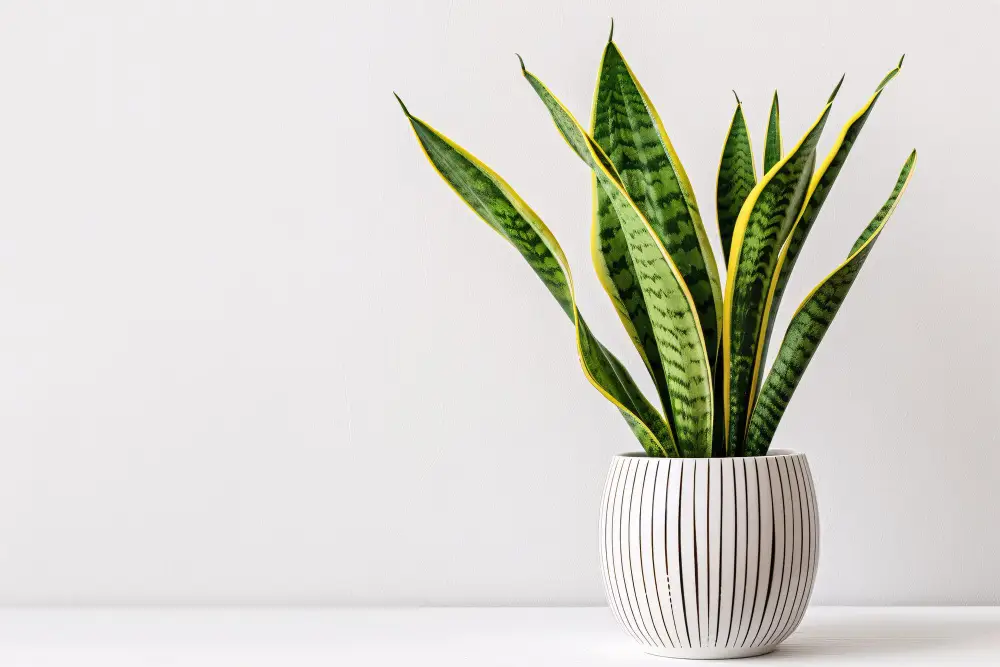
Snake plants are often marketed as air purifying plants, and you may encounter claims that a snake plant purifies the air by removing substances such as formaldehyde and benzene.
The reality deserves some context.
Controlled research has demonstrated that plants can interact with certain airborne compounds under laboratory conditions. A normal room, however, is a much larger and more complex environment with ventilation, air exchange, pollution sources, furniture, building materials, and human activity.
Therefore, keeping a few snake plants should not be treated as a replacement for proper ventilation or proven methods of improving indoor air quality.
Enjoy the plant for its beauty and resilience. Any potential air-quality contribution should be considered secondary rather than the main reason for owning one.
Snake Plant Toxicity and Pets
plant toxicity is important if you share your home with pets or young children.
Snake plants are not edible houseplants and can cause problems if ingested by pets. Position them somewhere that persistent chewers cannot easily reach.
Do not assume a plant is safe simply because it is one of the most popular plants sold for indoor use. Other common houseplants, including the peace lily, also require appropriate consideration around animals.
If your pet routinely eats foliage, check reliable veterinary guidance for each individual species you bring home.
Why Snake Plants Are Excellent for Beginners
Few plants combine striking appearance and forgiving care requirements as successfully as snake plants.
Compared with a spider plant, they can tolerate longer dry periods. Compared with a peace lily, they generally do not react as dramatically when watering is delayed. A christmas cactus has different seasonal flowering needs, while orchid care often requires more attention to root conditions and growing media.
That combination makes snake plants excellent teaching plants.
They allow beginners to learn the fundamentals of plant care—light, drainage, watering, repotting, propagation, and pest observation—without requiring constant intervention.
The important lesson is that caring for snake plants is often about knowing when not to do something.
How to Help Snake Plants Thrive Long Term
Healthy plants rarely need complicated routines.
snake plants thrive when their roots have drainage, their leaves receive useful light, and their soil is allowed to dry sufficiently before watering again.
Do not constantly move the plant, repot it without reason, fertilize it heavily, or water simply because several days have passed.
A stable environment is often better.
With appropriate care, a snake plant can remain attractive for many years, produce new shoots, and gradually become a substantial specimen. That ability to survive occasional neglect while rewarding consistent care explains why it remains one of the most reliable houseplants for beginners.
FAQs About Snake Plant Care
Is a snake plant really suitable for low-light rooms?
Yes. A snake plant can tolerate low light, but that does not mean darkness is ideal. Growth generally becomes slower as usable light decreases. If possible, provide brighter indirect illumination while avoiding a sudden transition from shade to intense sunlight.
How can I tell when my snake plant needs water?
Check below the surface rather than relying on appearance alone. If the potting medium still feels moist, wait. Snake plants store water efficiently and are much more vulnerable to chronically wet roots than to slightly delayed watering.
Should I mist a snake plant?
Usually not. Snake plants cope well with normal household humidity levels and do not depend on routine misting. Proper root watering is much more important.
Why are my snake plant’s leaves becoming soft at the base?
Softness near the base, especially alongside wet soil and yellow foliage, can indicate excessive moisture and developing root rot. Remove the plant from its pot and inspect the roots rather than adding more water.
How quickly do snake plants grow?
Growth depends heavily on light, temperature, cultivar, root health, and season. Plants in brighter appropriate conditions tend to grow faster than those kept in dim rooms. Growth also tends to be more noticeable during the growing season.
Does a snake plant need direct sunlight?
No. A snake plant can grow very well without strong direct sun. In many homes, bright indirect light offers an excellent balance. Some direct sunlight may be tolerated when the plant is acclimated gradually.
Can I use ordinary garden soil for a potted snake plant?
It is better to use an appropriate indoor potting mix. Garden soil can become dense in containers, reducing drainage and aeration. A loose mix designed for houseplants, succulents, or cacti is generally easier to manage.
How often should I repot my snake plant?
Repot when there is a practical reason—for example, when the roots and rhizomes have become extremely crowded, the pot is unstable, or the growing medium has deteriorated. Snake plants do not need an annual move into a larger container simply because another year has passed.
Can I grow several snake plant varieties together?
You can, provided their root systems have enough room and their watering requirements remain compatible. However, individual pots make it easier to manage growth and display compact cultivars such as bird nest types alongside taller plants.
What is the most important beginner mistake to avoid?
Overwatering. Good drainage combined with allowing the soil to dry thoroughly is far safer than trying to keep the pot continuously moist. If you remember one principle from this guide, remember that a snake plant generally handles temporary dryness better than constantly wet roots.