





Why Choosing the Right Fertilizer Matters
Walking into a garden center can be overwhelming when you’re faced with shelves of fertilizers promising greener lawns, larger vegetables, brighter flowers, and healthier houseplants. While many products look similar, they’re designed to meet different plant needs.
- Why Choosing the Right Fertilizer Matters
- Understanding the NPK Numbers
- Organic vs. Synthetic Fertilizers
- Best Fertilizers for Vegetables
- Best Fertilizers for Flowering Plants
- Best Fertilizers for Houseplants
- Best Fertilizers for Succulents and Cacti
- Best Fertilizers for Trees and Shrubs
- Best Fertilizers for Lawns
- Natural Fertilizers Worth Considering
- Liquid vs. Granular Fertilizer
- When Should You Fertilize?
- Common Fertilizing Mistakes
- Do You Always Need Fertilizer?
- Frequently Asked Questions
Using the wrong fertilizer won’t always harm your plants, but it can lead to poor flowering, weak growth, fewer fruits, or nutrient imbalances. Choosing the right formula helps plants receive the nutrients they need at the right stage of growth. Gardening experts recommend selecting fertilizers based on plant type, growth stage, and soil conditions rather than relying on a single product for everything.
Understanding the NPK Numbers
Every fertilizer label includes three numbers, commonly known as the NPK ratio.
| Nutrient | What It Does |
|---|---|
| Nitrogen (N) | Encourages leafy green growth |
| Phosphorus (P) | Supports root development, flowering, and fruit production |
| Potassium (K) | Improves overall plant health, disease resistance, and stress tolerance |
For example:
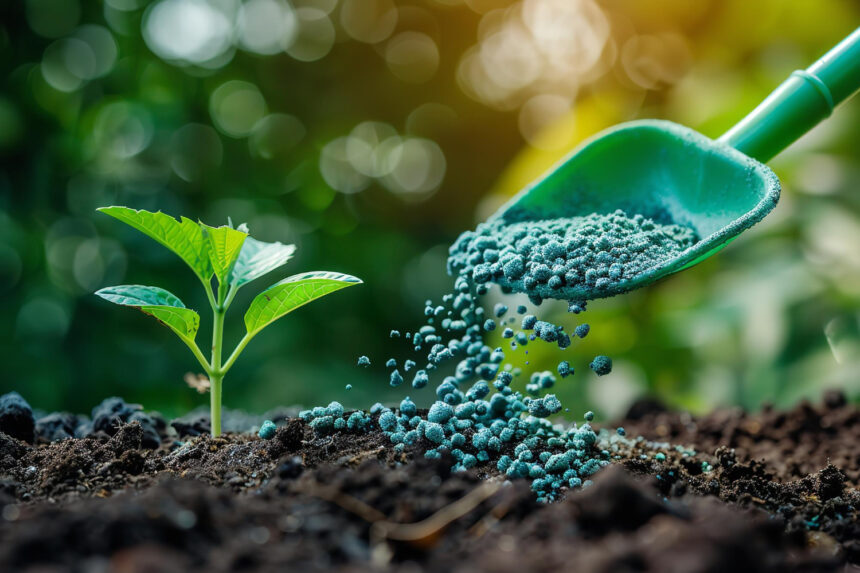
- 10-10-10 = Balanced fertilizer
- 20-10-10 = High nitrogen
- 5-10-10 = Higher phosphorus and potassium
- 3-1-2 = Suitable for many leafy plants
Understanding these numbers makes it much easier to choose the right fertilizer for your garden.
Organic vs. Synthetic Fertilizers
One of the first decisions you’ll make is whether to use organic or synthetic fertilizers.
| Organic Fertilizers | Synthetic Fertilizers |
|---|---|
| Derived from natural materials | Manufactured nutrients |
| Improve soil health over time | Deliver nutrients quickly |
| Slow nutrient release | Fast-acting |
| Lower risk of fertilizer burn | Easier to overapply |
| Encourage beneficial soil microbes | Focus mainly on feeding plants |
Organic fertilizers are excellent for building healthy soil over the long term, while synthetic fertilizers can quickly correct nutrient deficiencies when used carefully.
Best Fertilizers for Vegetables
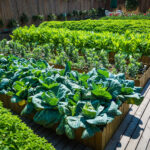
Vegetable gardens often benefit from nutrient-rich soil and balanced feeding throughout the growing season.
Leafy vegetables such as lettuce, spinach, kale, and cabbage usually require more nitrogen because their edible portion is the foliage.
Fruiting vegetables like tomatoes, peppers, cucumbers, and eggplants benefit from balanced nutrition early on, followed by fertilizers containing relatively more phosphorus and potassium once flowering begins.
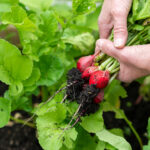
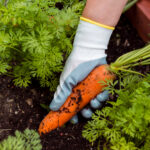
Root vegetables including carrots, beets, onions, and radishes generally perform well with balanced fertilizers while avoiding excessive nitrogen, which can encourage leafy tops instead of strong root development.
| Vegetable Type | Recommended Fertilizer |
|---|---|
| Leafy Greens | Higher nitrogen formula |
| Tomatoes | Tomato-specific or balanced fertilizer early, higher phosphorus/potassium during flowering |
| Peppers | Balanced fertilizer |
| Cucumbers | Balanced fertilizer |
| Root Vegetables | Balanced fertilizer with moderate nitrogen |
Best Fertilizers for Flowering Plants
Flowering plants use significant amounts of energy producing blooms.
Fertilizers containing higher levels of phosphorus often encourage stronger flowering, while potassium supports healthier plants and longer-lasting blooms.
Popular flowering plants include:
- Roses
- Petunias
- Geraniums
- Hydrangeas
- Begonias
Deadheading spent flowers and feeding during the active growing season can significantly extend blooming periods.
Best Fertilizers for Houseplants
Indoor plants gradually use the nutrients available in their potting mix, making occasional feeding beneficial during spring and summer.
Liquid fertilizers are especially popular because they’re easy to dilute and apply during regular watering.
| Houseplant | Recommended Feeding |
|---|---|
| Pothos | Balanced liquid fertilizer |
| Monstera | Balanced fertilizer |
| Peace Lily | Balanced fertilizer during active growth |
| Spider Plant | Balanced fertilizer every few weeks |
| Snake Plant | Light feeding only during spring and summer |
| ZZ Plant | Occasional balanced fertilizer |
Avoid fertilizing most houseplants during winter when growth naturally slows.
Best Fertilizers for Succulents and Cacti
Succulents and cacti don’t require frequent feeding.
Too much nitrogen can encourage soft, weak growth that’s more vulnerable to rot.
Instead, use a cactus or succulent fertilizer with lower nitrogen levels and apply it sparingly during the active growing season.
Overfeeding is far more common than underfeeding with these plants.
Best Fertilizers for Trees and Shrubs
Established trees and shrubs often require less fertilizer than people expect.
Many landscape plants obtain enough nutrients from healthy garden soil, fallen leaves, and decomposing organic matter.
If additional feeding is needed, slow-release fertilizers are generally preferred because they provide nutrients gradually over an extended period.
Best Fertilizers for Lawns
Grass is constantly producing new leaves, especially during the growing season.
Because of this, lawns typically require more nitrogen than many other garden plants.
Slow-release lawn fertilizers are commonly recommended because they provide steady growth without causing sudden flushes of weak foliage.
Natural Fertilizers Worth Considering
Many gardeners prefer natural options that improve both plants and soil.
Popular organic fertilizers include:
| Organic Fertilizer | Primary Benefit |
|---|---|
| Compost | Improves soil and supplies nutrients |
| Worm Castings | Gentle, nutrient-rich soil conditioner |
| Fish Emulsion | Excellent nitrogen source |
| Bone Meal | High in phosphorus |
| Blood Meal | Rich in nitrogen |
| Kelp Meal | Provides trace minerals |
| Well-Rotted Manure | Improves soil fertility |
Organic fertilizers generally release nutrients more slowly than synthetic products while supporting healthier soil biology.
Liquid vs. Granular Fertilizer
Both forms have advantages depending on the situation.
| Liquid Fertilizer | Granular Fertilizer |
|---|---|
| Fast acting | Slow release |
| Easy to apply while watering | Longer-lasting |
| Ideal for containers | Great for garden beds |
| Quickly corrects deficiencies | Requires fewer applications |
Many gardeners successfully use both throughout the year depending on their plants’ needs.
When Should You Fertilize?
Timing is just as important as choosing the right product.
General guidelines include:
- Feed during active growth in spring and summer.
- Reduce feeding during autumn.
- Avoid fertilizing dormant plants in winter unless specifically recommended.
- Water plants before applying fertilizer if the soil is very dry.
Applying fertilizer at the wrong time can stress plants rather than helping them.
Common Fertilizing Mistakes
Even experienced gardeners occasionally make mistakes.
Avoid these common problems:
| Mistake | Better Approach |
|---|---|
| Using too much fertilizer | Always follow label directions |
| Feeding dormant plants | Fertilize during active growth |
| Applying dry fertilizer to dry soil | Water first if needed |
| Using one fertilizer for every plant | Match fertilizer to plant type |
| Ignoring soil quality | Improve soil with compost regularly |
Remember that more fertilizer doesn’t automatically mean faster or healthier growth.
Do You Always Need Fertilizer?
Not necessarily.
Healthy garden soil that’s regularly enriched with compost often provides many of the nutrients plants need.
Before reaching for fertilizer, consider:
- Has the soil been improved with compost?
- Is the plant actively growing?
- Are there visible nutrient deficiency symptoms?
- Has a soil test identified missing nutrients?
Many established garden plants require surprisingly little supplemental feeding when grown in healthy soil.
Frequently Asked Questions
What’s the best all-purpose fertilizer?
A balanced fertilizer, such as 10-10-10 or 20-20-20, works well for many common garden plants, although individual species may have more specific nutritional requirements.
Is organic fertilizer better?
Organic fertilizers improve soil health and release nutrients gradually, while synthetic fertilizers act faster. Neither is universally “better”—the right choice depends on your gardening goals and the needs of your plants.
Can you fertilize too often?
Yes. Excess fertilizer can damage roots, burn foliage, encourage weak growth, and pollute nearby waterways. Always follow the recommended application rates.
Should you fertilize newly planted flowers or vegetables?
Newly planted specimens often benefit more from healthy soil and consistent watering than heavy feeding. Once plants become established and begin active growth, fertilizer can be introduced if needed.