





What Makes a Plant Low Maintenance?
Not every plant needs constant attention. Some species are naturally adapted to survive with very little care, making them perfect for busy homeowners or beginner gardeners.
- What Makes a Plant Low Maintenance?
- Lavender
- Coneflower (Echinacea)
- Sedum (Stonecrop)
- Catmint (Nepeta)
- Black-Eyed Susan
- Salvia
- Russian Sage
- Ornamental Grasses
- Hardy Geraniums
- Yarrow
- Rosemary
- Boxwood
- Agapanthus
- Best Low-Maintenance Outdoor Plants at a Glance
- Tips for Creating a Low-Maintenance Garden
- Frequently Asked Questions
Low-maintenance plants typically have several of these characteristics:
- Drought tolerance
- Disease resistance
- Slow growth
- Minimal pruning requirements
- Long lifespan
- Few pest problems
Choosing plants that suit your local climate and growing conditions is just as important as choosing low-maintenance varieties. Even the toughest plants need the right environment to thrive.
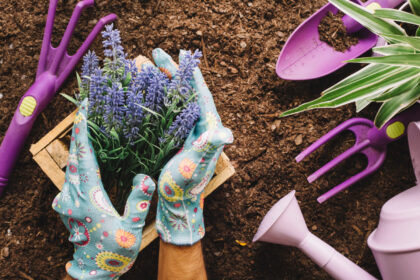
Lavender
Lavender is one of the easiest outdoor plants to grow once established.
It loves:
- Full sun
- Well-drained soil
- Dry conditions
After its first year, lavender usually needs very little watering and only a light annual prune to maintain its shape.
Its fragrant flowers also attract bees and butterflies while naturally deterring some garden pests.
Coneflower (Echinacea)
Coneflowers are hardy perennials that return every year with very little effort.
They’re well known for:
- Long flowering season
- Drought tolerance
- Pollinator-friendly blooms
- Excellent winter hardiness
Once established, they rarely need supplemental watering except during prolonged dry spells.
Sedum (Stonecrop)
Sedum is almost impossible to beat when it comes to low-maintenance gardening.
Its thick, succulent leaves store water, allowing it to thrive during hot, dry weather.
Sedum works particularly well in:
- Rock gardens
- Borders
- Gravel gardens
- Containers
Many varieties also provide attractive flowers that bloom late in the season.
Catmint (Nepeta)
Catmint is an excellent alternative to more demanding flowering plants.
It produces soft blue-purple flowers for months and requires little more than an occasional trim after its first flush of blooms.
It’s also:
- Drought tolerant
- Deer resistant
- Attractive to bees
- Easy to grow
Recent gardening experts have highlighted catmint as an even lower-maintenance alternative to lavender in many gardens because it flowers for longer and requires less pruning.


Black-Eyed Susan
These cheerful yellow flowers brighten gardens from summer into autumn.
Black-Eyed Susans are:
- Easy to grow
- Heat tolerant
- Drought resistant
- Excellent for pollinators
Once established, they need very little attention beyond occasional watering during extended dry periods.
Salvia
Salvia is another reliable perennial that performs beautifully with minimal care.
Its colorful flower spikes attract bees, butterflies, and hummingbirds while tolerating hot, sunny conditions.
Many varieties bloom repeatedly throughout summer if spent flower stems are removed.
Russian Sage
Russian sage produces clouds of lavender-blue flowers on tall silvery stems.
It’s an ideal choice for gardeners looking for plants that can handle:
- Poor soil
- Full sun
- Drought
- High temperatures
Once mature, Russian sage requires very little watering and only light pruning each year. It’s also widely recommended as one of the easiest long-flowering perennials to grow.
Ornamental Grasses
Ornamental grasses provide movement, texture, and year-round interest with almost no maintenance.
Popular options include:
- Feather reed grass
- Blue fescue
- Fountain grass
- Switchgrass
Most only require cutting back once each year before new growth begins.
Hardy Geraniums
Hardy geraniums shouldn’t be confused with bedding geraniums.
These long-lived perennials spread naturally to form attractive ground cover and produce flowers for weeks with very little care.
Many varieties simply need cutting back after their first flush of flowers to encourage fresh foliage and another display of blooms.
Yarrow
Yarrow is a tough perennial that thrives in poor soil and hot weather.
Its flat flower clusters appear in shades of:
- White
- Yellow
- Pink
- Red
- Orange
Yarrow is also highly attractive to pollinators and requires very little watering once established.
Rosemary
Rosemary isn’t just a useful culinary herb—it’s also an attractive evergreen shrub.
It performs best in:
- Full sun
- Well-drained soil
- Dry climates
Once mature, rosemary is remarkably drought tolerant and needs only occasional pruning to maintain its shape.
Boxwood
If you’re looking for an evergreen shrub that provides structure throughout the year, boxwood is a classic option.
It grows slowly, making it ideal for gardeners who don’t want to spend time constantly trimming fast-growing shrubs.
Agapanthus
Agapanthus produces striking globe-shaped flower clusters on tall stems during summer.
It’s especially well suited to:
- Sunny borders
- Gravel gardens
- Containers
Once established, agapanthus tolerates dry conditions well and requires very little routine maintenance.
Best Low-Maintenance Outdoor Plants at a Glance
| Plant | Sun Requirements | Water Needs | Returns Every Year |
|---|---|---|---|
| Lavender | Full sun | Low | Yes |
| Coneflower | Full sun | Low | Yes |
| Sedum | Full sun | Very low | Yes |
| Catmint | Full sun | Low | Yes |
| Black-Eyed Susan | Full sun | Low | Yes |
| Salvia | Full sun | Low | Yes |
| Russian Sage | Full sun | Very low | Yes |
| Ornamental Grasses | Full sun to partial sun | Low | Yes |
| Hardy Geranium | Sun to partial shade | Moderate | Yes |
| Yarrow | Full sun | Low | Yes |
| Rosemary | Full sun | Low | Yes |
| Boxwood | Sun to partial shade | Moderate | Yes |
| Agapanthus | Full sun | Moderate | Yes |
Tips for Creating a Low-Maintenance Garden
Choosing easy-care plants is only part of the equation.
You can reduce maintenance even further by:
- Adding mulch to suppress weeds and retain moisture.
- Planting drought-tolerant species together.
- Choosing plants that naturally fit your local climate.
- Leaving enough space between plants to reduce future pruning.
- Improving soil with compost before planting.
- Installing drip irrigation if you live in a dry climate.
Garden designers also recommend using hardy evergreen shrubs and long-lived perennials instead of seasonal bedding plants, which require frequent replacement and maintenance.
Frequently Asked Questions
What is the easiest outdoor plant to grow?
Lavender, sedum, coneflowers, catmint, and hardy geraniums are all considered excellent choices for beginners because they require little watering and minimal maintenance once established.
Which outdoor plants survive without much watering?
Succulent plants such as sedum, along with lavender, rosemary, Russian sage, yarrow, and catmint, are all highly drought tolerant after they’ve settled into the garden.
What plants look good all year round?
Evergreen plants such as boxwood and rosemary provide year-round structure, while ornamental grasses often remain attractive well into winter before being cut back in early spring.
Are low-maintenance plants suitable for containers?
Yes. Lavender, rosemary, sedum, agapanthus, and many ornamental grasses grow very well in containers, provided the pots have good drainage and receive the right amount of sunlight.