





Why Sunlight Matters
If there’s one thing every healthy garden depends on, it’s sunlight. Plants use sunlight to produce the energy they need through photosynthesis, fueling everything from leafy growth to flowers and fruit.
Without enough light, plants often become weak, produce fewer flowers or vegetables, and are more vulnerable to pests and diseases. That’s why understanding your garden’s sun exposure is one of the first steps to gardening success.
Understanding Sunlight Categories
Not all plants have the same light requirements. Garden centers typically use four basic sunlight categories:
Full Sun
Plants need at least 6 to 8 hours of direct sunlight every day. Most vegetables, herbs, and flowering plants fall into this category. Tomatoes, peppers, cucumbers, squash, roses, and sunflowers all perform best with plenty of sunshine.


Partial Sun
These plants require around 4 to 6 hours of direct sunlight daily, preferably during the morning when temperatures are cooler. Many root vegetables and some flowering plants grow well under these conditions.
Partial Shade
Plants in this category thrive with 3 to 6 hours of sunlight, especially if they’re protected from the intense afternoon sun. Many leafy greens and shade-loving flowers prefer these conditions.
Full Shade
These plants need fewer than 3 hours of direct sunlight and instead rely on filtered or indirect light. Ferns, hostas, and other woodland plants are common examples.
How Much Sun Do Vegetables Need?
Most vegetable gardens perform best in full sun, but there are plenty of exceptions.
Fruiting vegetables, including tomatoes, peppers, eggplants, cucumbers, beans, pumpkins, and squash, generally need 6 to 8 hours or more of direct sunlight each day to produce abundant harvests. The more sunlight they receive, the better the yields tend to be.
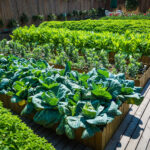
On the other hand, leafy vegetables such as lettuce, spinach, kale, Swiss chard, and arugula can grow surprisingly well with just 3 to 5 hours of direct sunlight. In hotter climates, a little afternoon shade can even help prevent them from bolting too quickly.
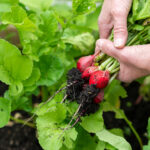
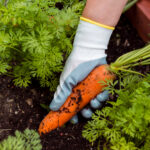
Root vegetables like carrots, radishes, beets, and turnips usually perform well with 4 to 6 hours of sunlight, although additional light generally leads to larger harvests.
How to Measure Sunlight in Your Garden
Many gardeners assume an area receives full sun simply because it looks bright, but direct sunlight is what really counts.
Spend a sunny day observing your garden and make note of when sunlight reaches different areas. Check every couple of hours—from early morning until late afternoon—and record how many hours each spot receives uninterrupted direct sun.
Remember that sunlight changes throughout the year. Trees leaf out in spring, neighboring buildings cast longer shadows during different seasons, and the sun’s angle shifts between summer and winter.
There are also smartphone apps that can help map sunlight patterns if you want a more detailed assessment.
What If Your Garden Doesn’t Get Enough Sun?
Limited sunlight doesn’t mean you can’t enjoy gardening.
If your yard receives less than six hours of direct sun, focus on plants that naturally tolerate lower light levels. Leafy greens, herbs like parsley and mint, and many ornamental shade plants can still flourish.
Container gardening is another excellent solution. Pots can be moved throughout the day to maximize sunlight, giving your plants the best possible growing conditions.
You can also improve light by trimming overhanging branches where appropriate, placing reflective surfaces nearby, or choosing the sunniest section of your property for vegetables that demand more light.
Finding the Right Balance
While sunlight is essential, more isn’t always better.
Some plants appreciate protection from intense afternoon heat, especially during the peak of summer. Matching each plant to the right location is far more important than trying to make every corner of your garden receive maximum sun.
Before planting, always check the light requirements listed on seed packets or plant labels. Giving each plant the amount of sunlight it naturally prefers is one of the easiest ways to create a healthier, more productive garden that will thrive season after season.