





If you’ve recently started gardening, you’ve probably come across words like mulch, deadheading, hardening off, or loam and wondered what they actually mean.
- Why Gardening Terminology Matters
- Quick Gardening Cheat Sheet
- Gardening Glossary (A–M)
- A
- B
- C
- D
- E
- F
- G
- H
- I
- L
- M
- N
- O
- P
- R
- S
- T
- V
- W
- Z
- Annual vs Perennial vs Biennial
- Compost vs Mulch
- Garden Soil vs Potting Mix
- Organic vs Synthetic Fertilizer
- Gardening Vocabulary You’ll See on Seed Packets
- Common Gardening Abbreviations
- Beginner Gardening Vocabulary Cheat Sheet
- Advanced Gardening Terms Every Gardener Will Eventually Encounter
- Soil Science Terms
- Watering & Irrigation Vocabulary
- Greenhouse Terminology
- Pest & Disease Vocabulary
- Fruit & Vegetable Growing Terms
- Flower Gardening Terms
- Tree & Shrub Vocabulary
- Lawn Care Terms
- Gardening by the Seasons
- Beginner Gardening Toolkit Vocabulary
- The 25 Gardening Terms Every Beginner Should Know
- Frequently Asked Questions
Gardening has its own vocabulary, and while it can seem intimidating at first, learning these terms will make every aspect of gardening easier. Whether you’re reading plant labels, watching gardening videos, shopping at a nursery, or following planting guides, understanding the language helps you make better decisions and avoid common mistakes.
Professional organizations such as the Royal Horticultural Society maintain extensive gardening glossaries because many essential instructions rely on specialized terms.
This guide explains gardening terminology in simple English, making it perfect for beginners while also serving as a handy reference for experienced gardeners.
Why Gardening Terminology Matters
Learning gardening vocabulary isn’t about sounding like an expert.
It helps you:
- Understand seed packets
- Buy the right plants
- Prevent common mistakes
- Follow gardening tutorials
- Communicate with garden centers
- Diagnose plant problems
- Improve plant health
Think of it as learning the language before taking a trip abroad.
Quick Gardening Cheat Sheet
| Term | Simple Meaning | Why It Matters |
|---|---|---|
| Annual | Lives one growing season | Must be replanted every year |
| Perennial | Lives for many years | Returns every season |
| Biennial | Takes two years to complete its life cycle | Flowers in the second year |
| Mulch | Protective layer over soil | Conserves moisture |
| Compost | Decomposed organic material | Improves soil health |
| Germination | Seed begins growing | First stage of plant life |
| Deadheading | Removing old flowers | Encourages more blooms |
| Pruning | Cutting stems or branches | Promotes healthy growth |
| Hardiness | Ability to survive cold | Helps choose suitable plants |
| Loam | Ideal garden soil | Excellent drainage and nutrients |
Gardening Glossary (A–M)
A
Acidic Soil
Soil with a pH below 7.
Some plants naturally prefer acidic conditions, including:
- Blueberries
- Azaleas
- Camellias
- Rhododendrons
Growing these plants in alkaline soil often causes yellow leaves and poor growth.
Aeration
Aeration means loosening compacted soil so air, water, and nutrients can reach plant roots more easily.
Benefits include:
- Better drainage
- Healthier roots
- Stronger lawns
- Improved microbial activity
Amendment
Anything added to soil to improve it.
Examples include:
| Organic Amendments | Inorganic Amendments |
|---|---|
| Compost | Perlite |
| Manure | Vermiculite |
| Leaf mold | Sand |
| Coco coir | Lime |
Annual
An annual plant completes its entire life cycle within one growing season.
It:
- Germinates
- Grows
- Flowers
- Produces seeds
- Dies
Popular annuals include:
- Marigolds
- Petunias
- Zinnias
- Sunflowers
Annuals provide continuous color but need replacing every year.
B
Bare Root Plant
A dormant plant sold without soil around its roots.
Advantages:
- Cheaper
- Easier to transport
- Develops strong root systems
Biennial
A plant requiring two years to complete its life cycle.
Year One:
- Leaves
- Root development
Year Two:
- Flowers
- Seeds
- Dies
Examples:
- Foxglove
- Parsley
- Carrots (if left unharvested)
Bolting
Bolting occurs when a plant flowers too early.
Common causes:
- Hot weather
- Stress
- Lack of water
Plants that commonly bolt:
- Lettuce
- Spinach
- Cilantro
Once a leafy vegetable bolts, its leaves usually become bitter.
Broadcast Sowing
Scattering seeds evenly over the soil instead of planting them in rows.
Often used for:
- Wildflowers
- Grass seed
- Clover
C
Compost
Compost is decomposed organic matter created from kitchen scraps and garden waste.
Benefits include:
- Improves soil
- Feeds plants naturally
- Encourages beneficial microbes
- Reduces landfill waste
Compost Tea
A nutrient-rich liquid made by soaking finished compost in water.
Some gardeners use it as a soil drench, although opinions vary on its effectiveness compared with solid compost.
Companion Planting
Growing certain plants together for mutual benefit.
Examples:
| Plant | Good Companion |
|---|---|
| Tomatoes | Basil |
| Cucumbers | Nasturtiums |
| Carrots | Onions |
| Beans | Corn |
Companion planting may improve pollination, discourage pests, or maximize space.
Cultivar
A cultivated variety selected for specific characteristics.
Example:
Hydrangea ‘Endless Summer’
Cultivars are bred for traits like:
- Color
- Disease resistance
- Size
- Yield
D
Deadheading
Removing faded flowers before they produce seeds.
Benefits:
- Encourages new blooms
- Keeps plants tidy
- Prevents self-seeding
Plants that benefit include:
- Roses
- Geraniums
- Petunias
- Zinnias
Deadheading is one of the simplest ways to extend the flowering season.
Deciduous
Plants that lose their leaves each autumn.
Examples:
- Maple
- Oak
- Birch
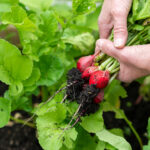
Direct Sowing
Planting seeds directly into the garden where they’ll grow permanently.
Common direct-sown vegetables:
- Beans
- Carrots
- Radishes
- Peas
Drainage
The speed at which excess water leaves the soil.
Poor drainage often causes:
- Root rot
- Fungus
- Slow growth
E
Evergreen
Plants that keep most or all of their leaves throughout the year.
Examples include:
- Pine
- Holly
- Boxwood
Evergreens provide year-round structure and color.
F
Fertilizer
Plant food containing nutrients.
The three main nutrients are:
| Nutrient | Purpose |
|---|---|
| Nitrogen (N) | Leaf growth |
| Phosphorus (P) | Roots and flowers |
| Potassium (K) | Overall plant health |
This is known as the NPK ratio.
Frost Date
The average date of the last spring frost or first autumn frost.
Knowing these dates helps determine when it’s safe to plant outdoors.
G
Germination
The process where a seed begins to grow.
Successful germination requires:
- Moisture
- Warmth
- Oxygen
- Sometimes light
Seed packets often list expected germination times.
Green Manure
Plants grown specifically to improve soil before being dug back into it.
Examples:
- Clover
- Rye
- Vetch
These crops help increase organic matter while protecting bare soil.
H
Hardening Off
The gradual process of introducing indoor-grown seedlings to outdoor conditions.
Typical hardening-off schedule:
| Day | Outdoor Time |
|---|---|
| 1 | 1 hour |
| 2 | 2 hours |
| 3 | 4 hours |
| 4 | 6 hours |
| 5 | Full day |
| 6–7 | Leave outside overnight if temperatures allow |
Skipping this step can shock young plants.
Hardy
A plant capable of surviving cold temperatures without protection.
Different plants have different hardiness ratings depending on climate.
Heirloom
Open-pollinated plant varieties passed down through generations.
They’re popular because they often offer:
- Excellent flavor
- Seed-saving ability
- Historical significance
Humus
The dark organic material left after organic matter fully decomposes.
Humus improves:
- Soil fertility
- Water retention
- Root development
I
Invasive Plant
A plant that spreads aggressively and can outcompete native vegetation.
Before planting unfamiliar species, check whether they’re considered invasive in your area.
L
Loam
Often considered the perfect garden soil.
Loam contains a balanced mixture of:
- Sand
- Silt
- Clay
- Organic matter
Benefits include:
- Excellent drainage
- Good moisture retention
- High fertility
Leggy
A plant with long, weak stems caused by insufficient light.
Leggy seedlings often become unstable and produce weaker growth.
M
Mulch
Mulch is any material spread over soil to protect it.
Benefits include:
- Reduces weeds
- Conserves moisture
- Moderates soil temperature
- Improves appearance
Common mulch materials include:
| Organic Mulch | Inorganic Mulch |
|---|---|
| Bark chips | Gravel |
| Straw | Decorative stone |
| Wood chips | Landscape fabric |
| Pine needles | Rubber mulch |
Organic mulches gradually break down and improve soil health.
Microclimate
A small area with environmental conditions different from the surrounding landscape.
Examples include:
- A sunny wall
- A shaded corner
- A windy hilltop
- A protected courtyard
Understanding microclimates allows gardeners to grow plants that might otherwise struggle in their region.
N
Native Plant
A native plant naturally occurs in a specific region without human introduction.
These plants are often the easiest to grow because they have adapted to local weather, soil conditions, and wildlife over thousands of years.
Benefits include:
- Require less watering
- Support local pollinators
- Usually need less fertilizer
- Better resistance to local pests
Examples vary depending on your location.
Node
A node is the point on a stem where leaves, buds, branches, or flowers grow.
Knowing where nodes are located is important because many pruning and propagation techniques involve cutting just above or below them.
Node vs Internode
| Term | Meaning |
|---|---|
| Node | Point where leaves or buds emerge |
| Internode | Stem section between two nodes |
Nutrients
Plants require nutrients to grow properly.
The three primary nutrients are:
| Nutrient | Function |
|---|---|
| Nitrogen (N) | Leaf and stem growth |
| Phosphorus (P) | Root development and flowering |
| Potassium (K) | Overall plant health and disease resistance |
Plants also need secondary nutrients like calcium, magnesium, and sulfur, along with trace minerals such as iron, zinc, copper, and boron.
O
Organic Gardening
Organic gardening focuses on growing plants without synthetic fertilizers or chemical pesticides.
Instead, gardeners use:
- Compost
- Natural fertilizers
- Beneficial insects
- Crop rotation
- Mulching
The goal is to improve soil health while minimizing environmental impact.
Organic Matter
Organic matter refers to decomposed plant and animal material found in soil.
Examples include:
- Compost
- Leaf mold
- Aged manure
- Decayed leaves
Increasing organic matter improves soil structure, drainage, and fertility.
Overwatering
Giving plants more water than they need.
Common symptoms include:
- Yellow leaves
- Wilting despite wet soil
- Root rot
- Fungus gnats
- Moldy soil
Many beginner gardeners accidentally kill plants through overwatering rather than underwatering.
P
Perennial
A perennial is a plant that lives for multiple years.
Unlike annuals, perennials return every growing season after becoming dormant during winter.
Popular examples include:
- Lavender
- Coneflowers
- Hostas
- Peonies
- Black-eyed Susans
Perlite
Perlite is a lightweight volcanic material commonly added to potting mixes.
Benefits include:
- Improves drainage
- Prevents soil compaction
- Increases airflow around roots
You’ll often notice the small white particles in commercial potting soil—they’re usually perlite.
Photosynthesis
The natural process plants use to convert sunlight, water, and carbon dioxide into energy.
Without photosynthesis, plants cannot grow.
Pinching
Pinching involves removing the tip of a young stem using your fingers or pruning snips.
Benefits include:
- Bushier growth
- More flowers
- More side branches
Many annual flowers benefit from pinching early in the season.
Pollination
Pollination occurs when pollen is transferred from one flower to another, allowing fruits and seeds to develop.
Pollinators include:
- Bees
- Butterflies
- Birds
- Wind
- Water
Without pollination, many fruits and vegetables cannot be produced.
Potting Mix
Potting mix is specially formulated for containers.
Unlike ordinary garden soil, it is lighter and drains better.
A quality potting mix often contains:
- Peat moss or coco coir
- Perlite
- Vermiculite
- Compost
- Slow-release fertilizer
Propagation
Propagation means creating new plants from existing ones.
Common methods include:
| Method | Description |
|---|---|
| Seeds | Growing from seed |
| Stem cuttings | Rooting pieces of stems |
| Division | Splitting mature plants |
| Layering | Rooting stems while attached |
| Grafting | Joining two plants together |
Propagation is one of the most rewarding gardening skills to learn.
Pruning
Pruning involves removing selected stems or branches to improve a plant’s health or shape.
Reasons to prune include:
- Remove dead wood
- Improve airflow
- Encourage flowering
- Increase fruit production
- Maintain size
Different plants require pruning at different times of the year.
R
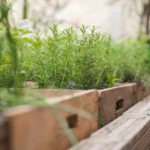
Raised Bed
A raised bed is a planting area built above ground level.
Advantages include:
- Better drainage
- Easier weed control
- Improved soil quality
- Reduced soil compaction
- Easier access for gardeners
Raised beds are especially popular among vegetable gardeners.
Root Ball
The root ball is the mass of roots and soil surrounding a plant when it’s removed from its container.
Healthy root balls should have white or light-colored roots rather than dark, mushy ones.
Root Bound
A plant becomes root bound when its roots circle tightly inside its pot.
Signs include:
- Slow growth
- Water draining too quickly
- Roots emerging from drainage holes
Repotting usually solves the problem.
S
Seedling
A young plant that has recently germinated.
Seedlings require:
- Bright light
- Consistent moisture
- Protection from extreme weather
Self-Seeding
Some plants naturally scatter seeds and grow again the following season.
Examples include:
- Calendula
- Nigella
- Poppies
- Cosmos
Many gardeners welcome self-seeding because it reduces planting work.
Shrub
A shrub is a woody plant with multiple stems growing from its base.
Examples include:
- Hydrangeas
- Boxwoods
- Azaleas
Soil pH
Soil pH measures how acidic or alkaline soil is.
| pH Level | Soil Type |
|---|---|
| Below 7 | Acidic |
| 7 | Neutral |
| Above 7 | Alkaline |
Different plants prefer different pH levels.
Succession Planting
Succession planting means sowing crops every few weeks instead of all at once.
Benefits:
- Continuous harvests
- Better use of garden space
- Less food waste
Popular vegetables include:
- Lettuce
- Spinach
- Radishes
- Carrots
T
Thinning
Removing excess seedlings so remaining plants have room to grow.
Although difficult for beginners, thinning produces healthier plants and larger harvests.
Top Dressing
Applying compost or fertilizer to the soil surface around plants.
Top dressing gradually improves soil while minimizing root disturbance.
Transplanting
Moving a plant from one location to another.
Many seedlings begin indoors before being transplanted outside once temperatures become suitable.
Trellis
A support structure used by climbing plants.
Plants commonly grown on trellises include:
- Cucumbers
- Peas
- Beans
- Clematis
- Climbing roses
V
Vermiculite
A lightweight mineral that improves moisture retention in potting mixes.
Compared with perlite, vermiculite holds more water.
W
Weed
A weed is simply a plant growing where it isn’t wanted.
Some weeds compete aggressively with garden plants for:
- Water
- Nutrients
- Sunlight
Regular weeding helps reduce competition.
Well-Drained Soil
Soil that retains enough moisture for plants while allowing excess water to drain away.
Most garden plants prefer well-drained conditions.
Woody Plant
Plants with hard stems that survive from year to year.
Examples include:
- Trees
- Shrubs
- Roses
- Grapevines
Z
Zone (Hardiness Zone)
A hardiness zone indicates the average minimum winter temperature for an area.
Knowing your zone helps determine whether a plant can survive outdoors year-round.
Annual vs Perennial vs Biennial
| Feature | Annual | Biennial | Perennial |
|---|---|---|---|
| Lifespan | One season | Two years | Multiple years |
| Flowers | First year | Second year | Every year after maturity |
| Replanting | Every year | Every two years | Rarely needed |
| Examples | Marigold, Zinnia | Foxglove, Parsley | Lavender, Peony |
Compost vs Mulch
| Compost | Mulch |
|---|---|
| Feeds soil | Protects soil |
| Mixed into soil | Spread on top |
| Improves fertility | Reduces weeds |
| Encourages microbes | Conserves moisture |
Garden Soil vs Potting Mix
| Garden Soil | Potting Mix |
|---|---|
| Used outdoors | Used in containers |
| Heavier | Lightweight |
| May compact | Excellent drainage |
| Contains native minerals | Designed for potted plants |
Organic vs Synthetic Fertilizer
| Organic | Synthetic |
|---|---|
| Slow release | Fast acting |
| Improves soil | Doesn’t improve soil |
| Natural ingredients | Manufactured chemicals |
| Long-term benefits | Immediate results |
Gardening Vocabulary You’ll See on Seed Packets
| Term | Meaning |
|---|---|
| Days to Maturity | Estimated harvest time |
| Thin | Remove extra seedlings |
| Direct Sow | Plant outdoors immediately |
| Start Indoors | Germinate inside first |
| Full Sun | 6–8+ hours daily |
| Partial Shade | 3–6 hours daily |
| Germination | Seed sprouting process |
| Spacing | Distance between plants |
| Depth | How deep to plant seeds |
| Frost Tolerant | Survives light frost |
Common Gardening Abbreviations
| Abbreviation | Meaning |
|---|---|
| NPK | Nitrogen, Phosphorus, Potassium |
| USDA | U.S. Department of Agriculture Hardiness Zones |
| RHS | Royal Horticultural Society |
| pH | Potential of Hydrogen (soil acidity) |
| OM | Organic Matter |
Beginner Gardening Vocabulary Cheat Sheet
If you remember just these 15 terms, you’ll understand most beginner gardening guides:
- Annual
- Perennial
- Compost
- Mulch
- Germination
- Hardening Off
- Deadheading
- Pruning
- Loam
- Drainage
- Pollination
- Seedling
- Transplant
- Fertilizer
- Hardiness Zone
Mastering these terms will make reading gardening books, watching tutorials, and caring for plants much easier.
Advanced Gardening Terms Every Gardener Will Eventually Encounter
Once you’ve mastered the basics, you’ll begin seeing more technical gardening terms in books, online guides, and conversations with experienced gardeners. Don’t let them intimidate you—most describe simple concepts.
Soil Science Terms
Understanding soil is one of the biggest keys to successful gardening.
Clay Soil
Clay soil consists of extremely fine particles packed tightly together.
Advantages
- Holds nutrients well
- Retains moisture
- Rich in minerals
Disadvantages
- Poor drainage
- Compacts easily
- Slow to warm in spring
Sandy Soil
Sandy soil contains large particles that allow water to drain quickly.
Advantages
- Excellent drainage
- Easy to dig
- Warms quickly
Disadvantages
- Dries out rapidly
- Nutrients wash away easily
Silt Soil
Silt has particles smaller than sand but larger than clay.
It’s naturally fertile and holds moisture better than sandy soil while draining more effectively than clay.
Soil Structure
Soil structure refers to how soil particles bind together.
Healthy soil contains tiny spaces that allow:
- Air movement
- Water drainage
- Root growth
- Earthworm activity
Soil Compaction
Compacted soil becomes dense after repeated foot traffic or heavy equipment.
Signs include:
- Standing water
- Poor root growth
- Hard ground
- Weak plants
Avoid walking on garden beds whenever possible.
Watering & Irrigation Vocabulary
Water management plays a major role in plant health.
Irrigation
The artificial application of water to plants.
Common irrigation methods include:
| Method | Best For |
|---|---|
| Watering Can | Small gardens |
| Garden Hose | Home landscapes |
| Soaker Hose | Vegetable beds |
| Drip Irrigation | Water-efficient gardens |
| Sprinklers | Lawns |
Drip Irrigation
A system that slowly delivers water directly to plant roots.
Benefits include:
- Saves water
- Reduces disease
- Less evaporation
- Healthier plants
Soaker Hose
A porous hose that slowly releases water along its entire length.
Excellent for:
- Vegetable gardens
- Flower borders
- Raised beds
Runoff
Water flowing across the soil instead of soaking into it.
Common causes:
- Heavy rain
- Compacted soil
- Watering too quickly
Greenhouse Terminology
Greenhouse
A structure designed to trap heat and extend the growing season.
Greenhouses allow gardeners to:
- Start seeds earlier
- Protect delicate plants
- Grow year-round in some climates
Cold Frame
A miniature greenhouse without artificial heating.
Cold frames help:
- Harden off seedlings
- Protect plants from frost
- Extend harvest seasons
Cloches
Protective covers placed over individual plants.
Originally made from glass, modern cloches are usually plastic.
Pest & Disease Vocabulary
Every gardener eventually deals with pests.
Knowing the terminology makes identifying problems much easier.
Aphids
Small sap-sucking insects that gather on new growth.
Common signs include:
- Curled leaves
- Sticky residue
- Slow growth
Beneficial Insects
Not every insect is harmful.
Helpful insects include:
| Beneficial Insect | What It Eats |
|---|---|
| Ladybugs | Aphids |
| Lacewings | Aphids and mites |
| Praying Mantises | Many garden pests |
| Hoverflies | Aphids |
| Ground Beetles | Slugs and larvae |
Blight
A disease causing rapid browning and death of leaves or stems.
Tomatoes and potatoes are especially susceptible.
Powdery Mildew
A fungal disease appearing as white powder on leaves.
Often caused by:
- Poor airflow
- Humidity
- Overcrowded plants
Root Rot
A disease caused by waterlogged soil.
Symptoms include:
- Wilting
- Yellow leaves
- Black roots
- Soft stems
Fruit & Vegetable Growing Terms
Companion Planting
Growing compatible crops together.
Popular combinations:
| Plant | Companion |
|---|---|
| Tomatoes | Basil |
| Carrots | Onions |
| Corn | Beans |
| Cucumbers | Nasturtiums |
Crop Rotation
Changing where crops grow each year.
Benefits include:
- Reduces diseases
- Improves soil
- Controls pests
Harvest Window
The period when crops taste their best.
Harvesting too early or too late often reduces flavor.
Side Dressing
Applying fertilizer beside growing plants rather than mixing it into the soil beforehand.
Often used during the growing season.
Flower Gardening Terms
Bloom Time
The period when a plant flowers.
Examples:
- Spring bloomers
- Summer bloomers
- Fall bloomers
Repeat Blooming
Plants that flower multiple times during one season.
Examples include many modern roses.
Self-Cleaning Flowers
Plants that naturally drop faded blooms without needing deadheading.
Examples include:
- Impatiens
- Begonias
- Some petunias
Tree & Shrub Vocabulary
Canopy
The upper branches and leaves of a tree.
Crown
The entire leafy portion above the trunk.
Leader
The main upright stem of a tree.
Many young trees should develop one strong central leader.
Sucker
A shoot growing from roots or the base of a tree.
Most suckers should be removed.
Lawn Care Terms
Overseeding
Adding grass seed to an existing lawn.
Benefits include:
- Thicker grass
- Fewer weeds
- Better appearance
Thatch
A layer of dead grass between the soil and living lawn.
A thin layer is healthy.
Too much prevents water from reaching roots.
Aerating
Removing small plugs of soil from lawns.
This improves:
- Drainage
- Root growth
- Oxygen movement
Gardening by the Seasons
| Season | Typical Tasks |
|---|---|
| Spring | Planting, fertilizing, pruning |
| Summer | Watering, harvesting, weeding |
| Autumn | Cleanup, composting, bulb planting |
| Winter | Planning, pruning dormant plants |
Beginner Gardening Toolkit Vocabulary
| Tool | Purpose |
|---|---|
| Trowel | Digging small holes |
| Dibber | Making seed holes |
| Hoe | Weed control |
| Secateurs | Pruning stems |
| Loppers | Cutting thick branches |
| Garden Fork | Loosening soil |
| Spade | Digging |
| Rake | Leveling soil |
| Wheelbarrow | Moving soil and compost |
| Watering Can | Gentle watering |
The 25 Gardening Terms Every Beginner Should Know
Before you finish, here’s a quick-reference list of the most important gardening words you’ll encounter:
- Annual
- Perennial
- Biennial
- Mulch
- Compost
- Germination
- Deadheading
- Hardening Off
- Loam
- Drainage
- Pollination
- Fertilizer
- Seedling
- Transplant
- Potting Mix
- Raised Bed
- Root Bound
- Soil pH
- Organic Matter
- Companion Planting
- Crop Rotation
- Succession Planting
- Pruning
- Hardiness Zone
- Propagation
Learning these terms will help you understand nearly every beginner gardening guide, plant label, or seed packet you’ll come across.
Frequently Asked Questions
What is the difference between compost and mulch?
Compost is mixed into the soil to improve its fertility and structure, while mulch is spread on top of the soil to conserve moisture, suppress weeds, and regulate soil temperature.
What does “full sun” actually mean?
Full sun refers to locations receiving at least six to eight hours of direct sunlight every day.
Why is my plant “leggy”?
Leggy plants usually don’t receive enough light. They stretch toward the nearest light source, producing long, weak stems.
What is the easiest gardening term to remember?
Think of annual as “annual event”—it happens once each year. Annual plants complete their life cycle in one growing season and need to be replanted the following year.
What’s the best soil for beginners?
Loam is widely considered the ideal garden soil because it combines excellent drainage with good moisture retention and plenty of nutrients.
Every gardener starts as a beginner, and learning the language of gardening is one of the best investments you can make. Once you understand these terms, you’ll find it much easier to follow planting guides, troubleshoot problems, and choose the right plants for your space.
Don’t feel pressured to memorize every definition at once. Keep this glossary as a reference, revisit it whenever you come across an unfamiliar word, and let your knowledge grow alongside your garden. Before long, terms like deadheading, hardening off, and crop rotation will become second nature—and so will the confidence to tackle bigger gardening projects.