





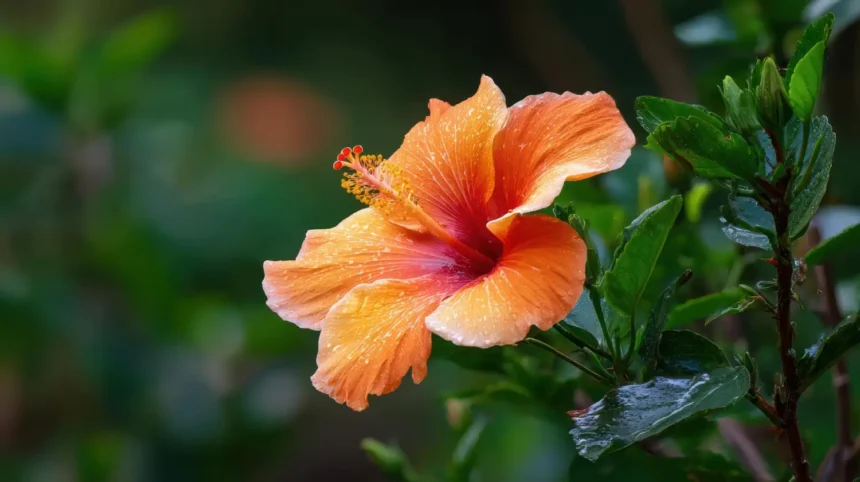
Few flowering plants can create an instant tropical atmosphere quite like hibiscus. A single hibiscus flower can be enormous, intensely colored, and almost unreal in appearance, yet the plant itself can range from a compact patio specimen to a substantial shrub several feet tall.
- First, Know Which Hibiscus You’re Growing
- Choosing the Right Hibiscus for Your Climate
- How Much Sun Does Hibiscus Need?
- The Best Soil for Hibiscus
- Planting Hibiscus in the Garden
- Growing Hibiscus in Containers
- How Often Should You Water Hibiscus?
- How to Tell If You’re Overwatering
- Feeding Hibiscus for Better Flowering
- Understanding Hibiscus Bloom Time
- Why Isn’t My Hibiscus Blooming?
- How to Keep Hibiscus Blooming
- Should You Deadhead Hibiscus?
- How and When to Prune Tropical Hibiscus
- How to Prune Hardy Hibiscus
- Overwintering Tropical Hibiscus Indoors
- Bringing Hibiscus Outside Again in Spring
- Pests That Commonly Attack Hibiscus
- Common Hibiscus Problems
- Is Hibiscus Deer Resistant?
- Designing a Garden With Hibiscus
- Interesting Hibiscus Varieties and Colors
- Hibiscus Isn’t Just an Ornamental Plant
- Does Hibiscus Tea Really Lower Blood Pressure?
- A Seasonal Hibiscus Care Routine
- Hibiscus Care FAQs
- Beautiful Hibiscus Starts With the Right Plant in the Right Place
The difficulty is that “hibiscus” doesn’t describe one type of garden plant. The genus includes several hundred species, and plants sold under the hibiscus name can have dramatically different requirements. A tropical hibiscus growing in a container cannot necessarily be treated like a hardy hibiscus planted permanently in a cold-winter garden.
That distinction explains many hibiscus failures. Gardeners sometimes protect a perfectly hardy perennial indoors all winter or leave a tropical plant outside expecting it to return in spring. Successful care begins by determining which hibiscus you actually own.
Once you know that, hibiscus is much easier to understand.
First, Know Which Hibiscus You’re Growing
Several different hibiscus plants are commonly grown in gardens, and their care requirements aren’t interchangeable. If the label has disappeared, a reputable plant finder, nursery database, botanical reference, or knowledgeable staff member at local garden centers can help you identify your plant.
Three groups are especially important for home gardeners.
Tropical Hibiscus
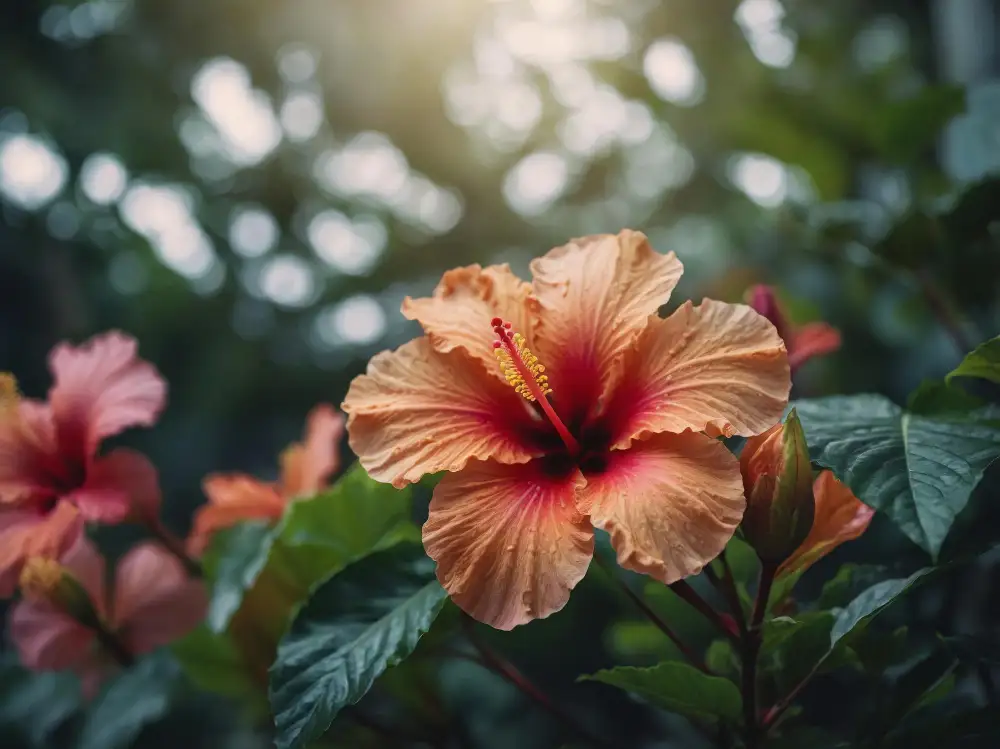
The classic tropical type is commonly sold as hibiscus rosasinensis, although the botanical name is usually written Hibiscus rosa-sinensis. It is one of the tropical plants responsible for the huge red, pink, orange, yellow, white, and multicolored flowers associated with warm-weather gardens and resorts.
These are evergreen shrubs in genuinely warm climates but aren’t reliably frost hardy. In colder regions, they’re normally treated as patio container plants, overwintered indoors, or simply grown as seasonal plants.
A yellow hibiscus or cream hibiscus sold alongside other tropical patio plants will often belong to this general group, although flower color alone cannot reliably identify the species.
Hardy Hibiscus
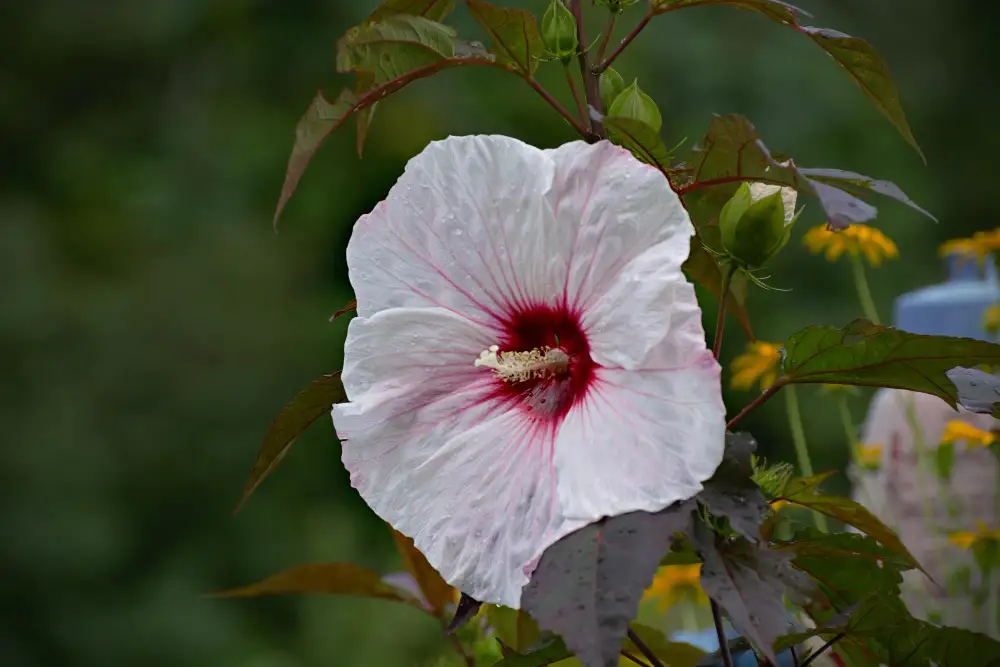
Hibiscus moscheutos and related hybrids are commonly called rose mallow or swamp rose mallow. These plants look surprisingly tropical when flowering, producing enormous blooms that can approach dinner-plate proportions, yet the roots can survive winters that would quickly kill tropical hibiscus.
Unlike tropical forms, hardy types usually die back to the ground during winter. New shoots then emerge from the roots when warm weather returns.
Popular cultivars include Midnight Marvel, which combines dramatic dark foliage with large red flowers. Modern breeding and plant trials have produced numerous hardy cultivars with different heights, foliage colors, flower sizes, and growth habits.
Rose of Sharon
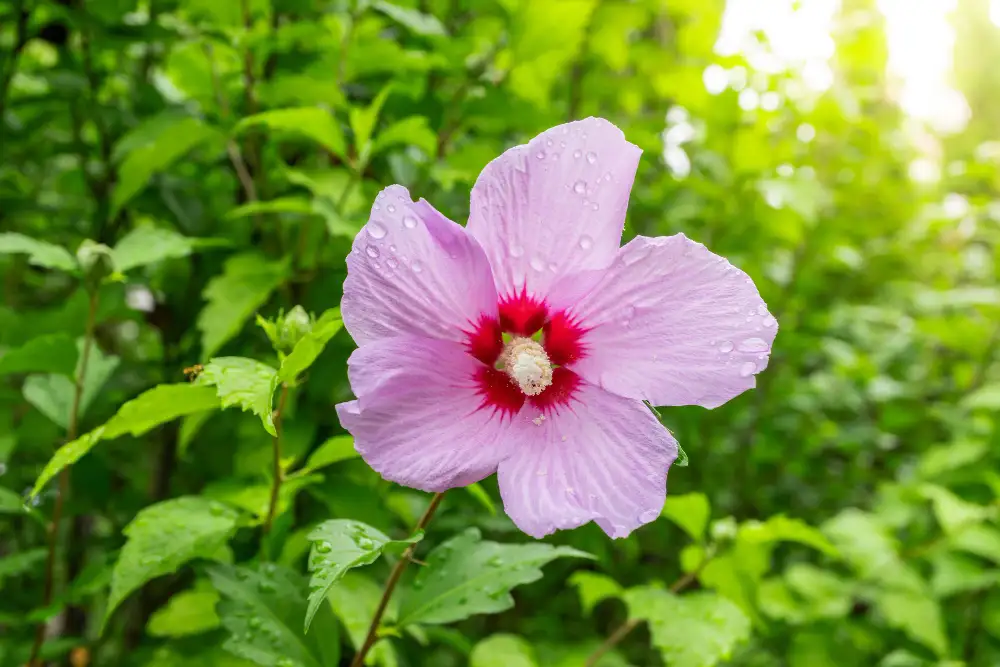
Hibiscus syriacus, commonly called rose of sharon, is another hardy hibiscus, but it behaves differently from H. moscheutos. Instead of dying completely to the ground each winter, it grows as a deciduous woody shrub.
Depending on the cultivar and conditions, mature plants can become quite large and may reach several feet in both height and width. Their flowers are generally smaller than the enormous blooms of hardy perennial hibiscus, but a mature shrub can produce large numbers of them.
This is why checking the botanical name is more useful than relying exclusively on the common name “hibiscus.”
Choosing the Right Hibiscus for Your Climate
Before worrying about fertilizer or pruning, choose a plant that actually fits your climate.
Your USDA grow zone or equivalent regional hardiness system can provide a useful starting point for outdoor perennial plants. Hardiness ratings describe the approximate winter temperatures a plant can tolerate, although microclimate, soil drainage, wind exposure, snow cover, and extreme weather still influence survival.
Many cultivars of Hibiscus moscheutos are suitable for roughly USDA Zones 4–9, depending on the selection. Hibiscus syriacus is similarly useful across many temperate climates, commonly around Zones 5–9 depending on cultivar and conditions.
Tropical Hibiscus rosa-sinensis is a completely different proposition. It belongs outdoors year-round primarily in frost-free or nearly frost-free climates. Gardeners elsewhere usually need to bring it indoors before damaging cold arrives.
Don’t assume that something producing exotic flowers must therefore be tender. Hardy hibiscus is one of the most dramatic examples of a plant that looks tropical while tolerating remarkably cold winters.
How Much Sun Does Hibiscus Need?
For maximum flowering, hibiscus generally performs best with abundant sunlight.
A position receiving around six or more hours of direct sun is an excellent target for many garden hibiscus varieties. Adequate sunlight supports vigorous growth and helps plants devote energy to flower production rather than simply stretching toward brighter conditions.
Climate complicates the rule slightly. In exceptionally hot regions, some protection from intense afternoon sun can reduce stress, particularly for container-grown tropical specimens. A partially shaded position receiving strong morning sun may therefore work well in very hot climates.
Too much shade creates a different problem. The plant may remain green and healthy-looking while producing disappointingly few flowers.
When a mature hibiscus refuses to bloom, sunlight should be one of the first things you investigate.
The Best Soil for Hibiscus
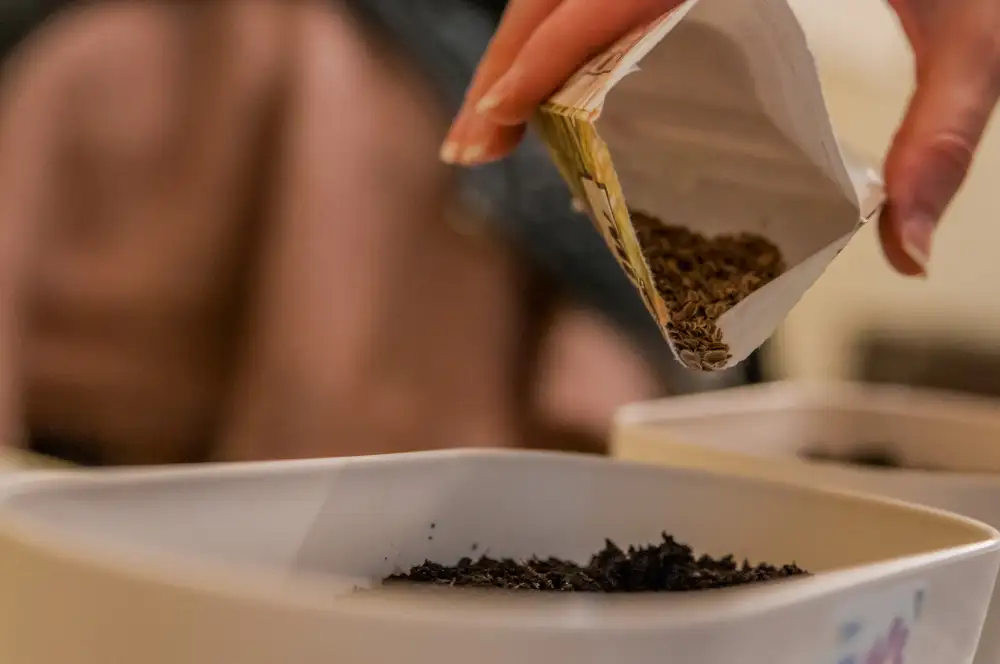
Hibiscus prefers fertile soil with good structure, but drainage requirements depend somewhat on the species.
Tropical hibiscus performs well in rich, well-drained soil that retains some moisture without remaining permanently saturated. Container plants particularly need drainage holes because roots trapped in waterlogged potting mix can develop serious problems.
Hibiscus moscheutos naturally tolerates wetter environments better than many ornamental plants. This makes rose mallow useful in locations where consistently moist soil would be problematic for drought-loving species.
Hibiscus syriacus is more adaptable once established and handles ordinary garden conditions reasonably well, provided the site isn’t chronically waterlogged.
Before planting, therefore, don’t simply ask, “What soil does hibiscus like?” Ask which hibiscus you’re growing.
Hibiscus grows best in soil that is fertile, moisture-retentive, and well drained, but the ideal conditions depend on the species. Tropical hibiscus prefers rich, slightly acidic to neutral soil that stays evenly moist without becoming waterlogged, while hardy hibiscus such as Hibiscus moscheutos tolerates wetter soil far better and can even thrive in consistently moist garden areas. Rose of Sharon is more adaptable once established and generally performs well in average garden soil as long as drainage is reasonable. For container plants, always use a quality potting mix rather than heavy garden soil, because compacted soil can hold too much water around the roots and reduce oxygen.
| Hibiscus Type | Best Soil Texture | Moisture Preference | Ideal pH | Drainage Needs |
|---|---|---|---|---|
| Tropical Hibiscus | Rich, loose, organic potting soil | Evenly moist | About 6.0–7.0 | Excellent drainage |
| Hardy Hibiscus (Hibiscus moscheutos) | Fertile loam or moisture-retentive soil | Consistently moist | About 6.0–7.0 | Moderate; tolerates wetter conditions |
| Rose of Sharon (Hibiscus syriacus) | Average fertile garden soil | Moderate moisture | About 6.0–7.5 | Good drainage |
| Container Hibiscus | Lightweight premium potting mix | Moist but not saturated | About 6.0–7.0 | Essential; drainage holes required |
Planting Hibiscus in the Garden
For hardy varieties, spring is an excellent planting period because the plant receives an entire growing season to establish before winter. Gardeners buying plants in the spring should wait until conditions are appropriate for their region and serious freezing conditions are no longer expected.
Dig a hole roughly as deep as the root ball and wider than it, rather than burying the plant excessively deeply. Position it at approximately the same depth it was growing in its nursery container, backfill carefully, and water thoroughly to settle soil around the roots.
Mulching around the plant can help conserve moisture and suppress weeds. Keep heavy mulch from being piled directly against woody stems or crowns, where excessive moisture can create unnecessary problems.
Hardy hibiscus can be slow to wake after winter. Don’t assume the plant has died simply because other perennials already have substantial spring blooms while your hibiscus still appears dormant.
Warmth often triggers its return later.
Growing Hibiscus in Containers
Tropical hibiscus is exceptionally well suited to a container garden, particularly in climates where winter protection is necessary. The container lets you position the plant prominently during summer and relocate it before temperatures become dangerous.
Choose a pot with drainage holes and use a high-quality potting medium rather than dense garden soil. The container should provide enough room for root development without being absurdly oversized, since a huge volume of persistently wet soil can remain waterlogged around a relatively small root system.
Containers dry considerably faster than garden beds, especially during hot weather. A hibiscus on a sunny patio may therefore require frequent checking during summer.
Large hibiscus trees, including tropical hibiscus trained into standards with a single trunk and rounded canopy, are particularly striking in containers. Their elevated canopy makes them vulnerable to wind, however, so heavy pots and protected positions can help prevent toppling.
How Often Should You Water Hibiscus?
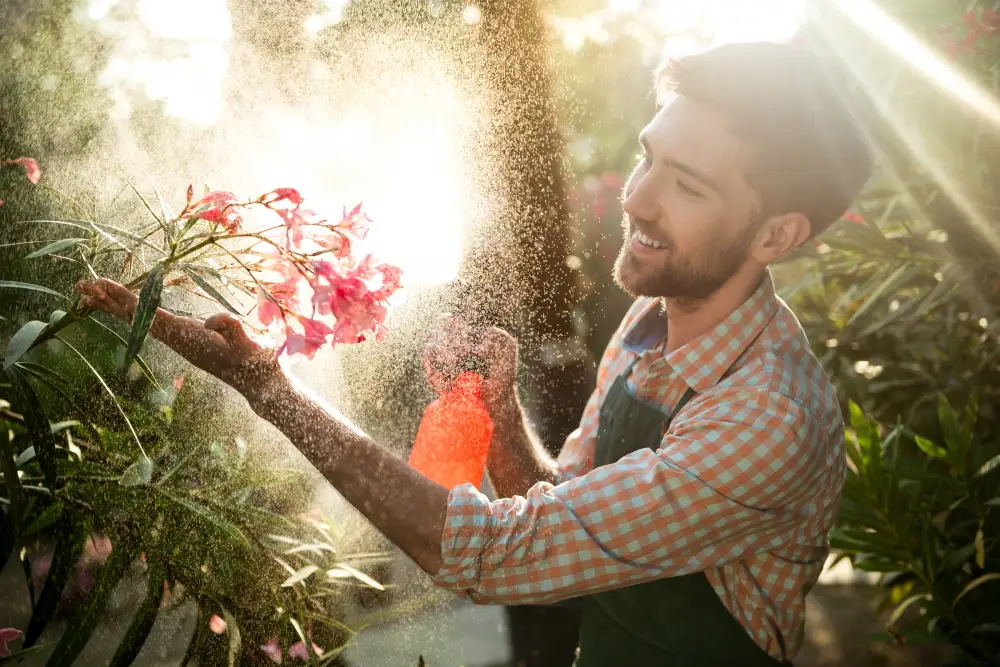
There is no responsible watering schedule that says every hibiscus needs exactly the same quantity every three days.
Temperature, rainfall, humidity, plant size, wind, soil composition, container material, sunlight, and species all change water requirements. The correct approach is to monitor the soil and plant rather than blindly following a calendar.
Tropical container hibiscus often drinks heavily during hot summer weather. Check the growing medium frequently and water thoroughly when appropriate, allowing excess water to escape through the drainage holes.
Hardy Hibiscus moscheutos appreciates consistently moist conditions and shouldn’t be allowed to remain severely dry for prolonged periods. Rose of sharon, meanwhile, becomes reasonably adaptable after establishment and can tolerate some dry conditions, although labeling it universally drought tolerant can be misleading if that encourages gardeners to neglect newly planted shrubs.
Deep, appropriate watering is usually preferable to repeatedly wetting only the soil surface.
How to Tell If You’re Overwatering
Yellowing foliage sometimes causes gardeners to reach immediately for the watering can, but excess water can also produce yellow leaves.
Constantly saturated soil limits the oxygen available around roots and can encourage root diseases. Container plants are particularly vulnerable when pots have inadequate drainage or sit permanently in saucers filled with water.
Look at the soil rather than diagnosing from leaf color alone. If the root zone remains wet for long periods, the solution probably isn’t additional water.
A plant that wilts in dry soil and a plant wilting in saturated soil can look surprisingly similar from above. What is happening below the surface determines the correct response.
Feeding Hibiscus for Better Flowering
Producing large quantities of flowers requires considerable energy, so actively growing hibiscus can benefit from appropriate fertilization.
For container-grown tropical hibiscus, regular feeding during active growth is often more useful than one enormous dose. Follow the directions for the specific fertilizer you’re using rather than assuming that doubling the amount will double flowering.
Excessive fertilizer can damage roots or encourage lush vegetative growth without proportionally improving flowers. High phosphorus products have traditionally been promoted as universal “bloom boosters,” but adding nutrients the soil doesn’t need isn’t automatically beneficial.
For established garden plants, soil testing is the best way to understand significant nutrient deficiencies. Compost and organic matter can also improve soil characteristics, although they don’t eliminate the need to understand what your particular soil provides.
Healthy flowering comes from the combination of adequate sunlight, moisture, nutrition, and suitable growing conditions—not fertilizer alone.
| Hibiscus Type | Best Feeding Approach | How Often | What to Avoid | Main Goal |
|---|---|---|---|---|
| Tropical Hibiscus in Containers | Balanced or flowering-plant fertilizer | Regularly during active spring and summer growth | Excess nitrogen and heavy single doses | Continuous flowering and healthy foliage |
| Tropical Hibiscus in the Ground | Balanced fertilizer based on soil fertility | Periodically during active growth | Overfeeding established plants | Support repeated blooms |
| Hardy Hibiscus | Compost plus balanced fertilizer if needed | Mainly in spring and early summer | Heavy late-season feeding | Strong growth and abundant summer blooms |
| Rose of Sharon | Light feeding in reasonably fertile soil | Usually once in spring or as needed | Excess fertilizer that produces weak, leafy growth | Healthy shrub growth and reliable flowering |
| Newly Planted Hibiscus | Gentle feeding only after establishment begins | Lightly and cautiously | Strong fertilizer on stressed or damaged roots | Root establishment before heavy flowering |
Understanding Hibiscus Bloom Time
The exact bloom time depends heavily on species, cultivar, climate, and local weather.
Tropical hibiscus can flower repeatedly over a long warm season and may bloom almost continuously under ideal frost-free conditions. Individual flowers are often surprisingly short-lived, but healthy plants continually produce new buds.
Hardy perennial hibiscus tends to make its greatest impact during summer, often extending into late summer. The enormous summer blooms compensate nicely for the plant’s relatively late emergence in spring.
Hibiscus syriacus is also valuable because its bloom season occurs when many spring-flowering shrubs have already finished. Depending on climate and cultivar, flowering can continue through a substantial part of summer and sometimes into early autumn.
Combining hibiscus with plants that provide spring blooms is therefore an effective way to extend garden color across the year.
Why Isn’t My Hibiscus Blooming?
A healthy-looking plant without flowers can be extremely frustrating, particularly when hibiscus is grown specifically for its spectacular display.
Begin with sunlight. Hibiscus growing in excessive shade may produce plenty of leaves while flowering poorly. Moving a container to a brighter location is easy, while garden plants may require pruning surrounding vegetation or eventual relocation.
Next, consider nutrition. Excessive nitrogen can favor leafy growth, while serious nutrient deficiencies can also reduce overall plant performance.
Pruning timing matters too. Removing large amounts of new flowering growth at the wrong point in the season can delay the display.
Other possible causes include recent transplanting, inappropriate watering, pest pressure, temperature stress, or simply seasonal timing. A hardy hibiscus that has only recently emerged from winter dormancy shouldn’t be expected to perform like a mature tropical specimen halfway through summer.
How to Keep Hibiscus Blooming
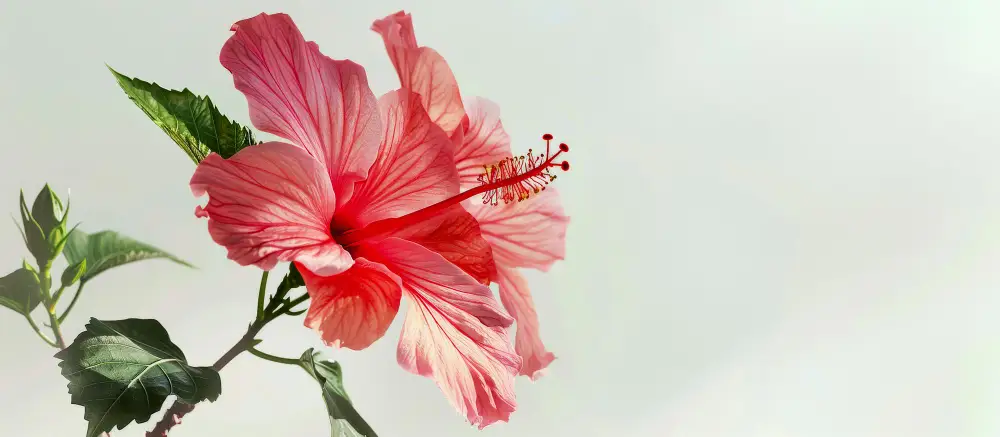
You cannot force a plant to flower continuously outside its natural growth pattern, but you can create conditions that support its maximum potential.
Provide adequate sunlight, maintain appropriate moisture, avoid extreme root stress, fertilize sensibly, and control significant pest problems. For container tropical hibiscus, avoiding repeated cycles of severe wilting followed by heavy watering can help maintain more consistent growth.
Don’t panic when individual flowers disappear quickly. Many hibiscus flowers naturally last only a short time.
What creates the impressive display is not one permanent flower but a succession of buds opening across the plant.
Should You Deadhead Hibiscus?
Removing faded flowers can keep plants looking tidy, particularly when spent blooms become unattractive. However, hibiscus generally doesn’t depend on intensive deadheading in the same way some repeat-flowering ornamentals do.
With large-flowered hardy varieties, removing old flowers can improve appearance and prevent developing seed structures when seed production isn’t desired. Tropical plants can similarly be tidied as necessary.
Don’t let deadheading become so aggressive that you accidentally remove unopened buds.
If the plant is producing abundant flowers, enjoy it. Hibiscus care doesn’t need to become a daily maintenance ritual.
How and When to Prune Tropical Hibiscus
Pruning tropical hibiscus can help maintain shape, encourage branching, and control size. The appropriate timing depends partly on whether the plant grows outdoors permanently or must spend winter indoors.
Light trimming and pinching during active growth can encourage a bushier plant. More substantial pruning should be timed so the plant has enough warmth and light afterward to produce healthy new growth.
Remember that significant pruning can temporarily reduce flowers because the plant needs time to produce replacement shoots and new buds. If a major event is approaching and you want the plant covered in flowers, the week beforehand isn’t the time for drastic reshaping.
Sterilize or clean pruning tools appropriately, remove dead or diseased material, and make deliberate cuts rather than randomly shortening every branch.
How to Prune Hardy Hibiscus
Perennial Hibiscus moscheutos naturally dies back after freezing weather. Once the stems have died, they can be cut down, either after dormancy begins or before new spring growth emerges.
Marking the location is surprisingly useful. Hardy hibiscus can emerge late enough that an impatient gardener may accidentally dig into the crown while assuming the space is empty.
Woody Hibiscus syriacus requires a different approach because its branches persist through winter. Remove dead, damaged, crossing, or poorly positioned branches as appropriate, and use structural pruning when necessary to maintain the desired shape.
Again, knowing the species prevents mistakes. Cutting a rose of sharon to ground level simply because somebody told you “hibiscus dies back every winter” would be applying the right advice to the wrong plant.
Overwintering Tropical Hibiscus Indoors
Gardeners in cold climates can keep tropical hibiscus for multiple years by moving container plants indoors before damaging frost.
Inspect the plant carefully before bringing it inside. Aphids, whiteflies, spider mites, and other unwanted passengers can multiply rapidly indoors, where natural predators may be absent.
Choose the brightest practical indoor location and expect some adjustment. Reduced light, lower humidity, different temperatures, and the move itself may cause leaf yellowing or leaf drop.
Water requirements usually decrease indoors because growth slows and evaporation is reduced. One of the most common winter mistakes is continuing the midsummer watering routine in a much darker, cooler environment.
Don’t expect spectacular winter flowering unless indoor conditions provide enough warmth and light. The primary goal may simply be keeping the plant healthy until outdoor conditions become suitable again.
Bringing Hibiscus Outside Again in Spring
When warm weather returns, resist the temptation to move an indoor plant directly into intense full sun for an entire day.
Indoor leaves aren’t necessarily acclimated to strong outdoor sunlight. Sudden exposure can scorch foliage even though hibiscus ultimately enjoys abundant sun.
Harden the plant gradually. Start with protected outdoor conditions and progressively increase sun exposure over several days or longer depending on conditions.
Also watch nighttime temperatures, not merely pleasant afternoon temperatures. A beautiful warm spring day can still be followed by a night too cold for tropical hibiscus.
Pests That Commonly Attack Hibiscus
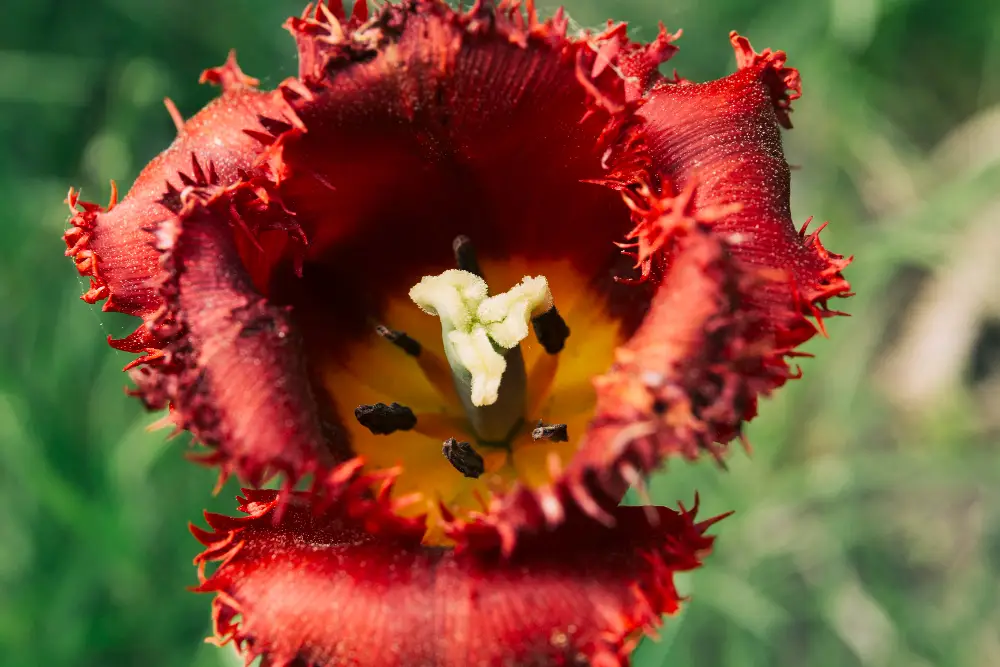
Hibiscus can attract several sap-feeding pests, particularly when stressed or grown indoors.
Aphids often gather around tender new growth and buds. Whiteflies can fly from the foliage when disturbed, while spider mites may produce stippling, declining leaves, and fine webbing during heavier infestations. Scale insects and mealybugs can also occur.
Inspect the undersides of leaves and new growth regularly. Early infestations are much easier to manage than populations that have spread across an entire collection.
Treatment depends on the pest and local product availability. Physical removal, strong sprays of water where appropriate, insecticidal soaps, horticultural oils, and other labeled controls may be options, but always follow product instructions and consider the plant’s location and pollinator activity.
Correct identification should come before treatment.
Common Hibiscus Problems
Yellow leaves aren’t a diagnosis by themselves. Hibiscus foliage can yellow because of overwatering, underwatering, temperature changes, transplantation, pest pressure, root problems, nutrient issues, or natural aging.
Bud drop is similarly frustrating and can result from environmental stress. Abrupt changes in moisture, temperature, light, or location can contribute, as can pest problems.
Leaf scorch may indicate excessive sudden sun exposure, particularly when an indoor plant has just been moved outside. Brown margins can also have other causes, so examine the entire growing situation rather than diagnosing from one symptom.
Good hibiscus troubleshooting works like detective work: examine soil moisture, light, temperature, roots, recent changes, fertilizer use, and pests before reaching for another product.
Is Hibiscus Deer Resistant?
You’ll sometimes see hibiscus described as deer resistant, but that description needs perspective.
“Deer resistant” rarely means “deer proof.” Deer feeding behavior varies according to local populations, food availability, season, and individual animals, and hungry deer can eat plants they normally ignore.
Hibiscus syriacus is sometimes included on lists of plants with some resistance, while other hibiscus can experience browsing. If deer pressure is severe in your area, local extension recommendations and neighborhood experience are often more useful than a generic plant label.
Physical barriers remain the most dependable protection for highly valued plants where deer browsing is persistent.
Designing a Garden With Hibiscus
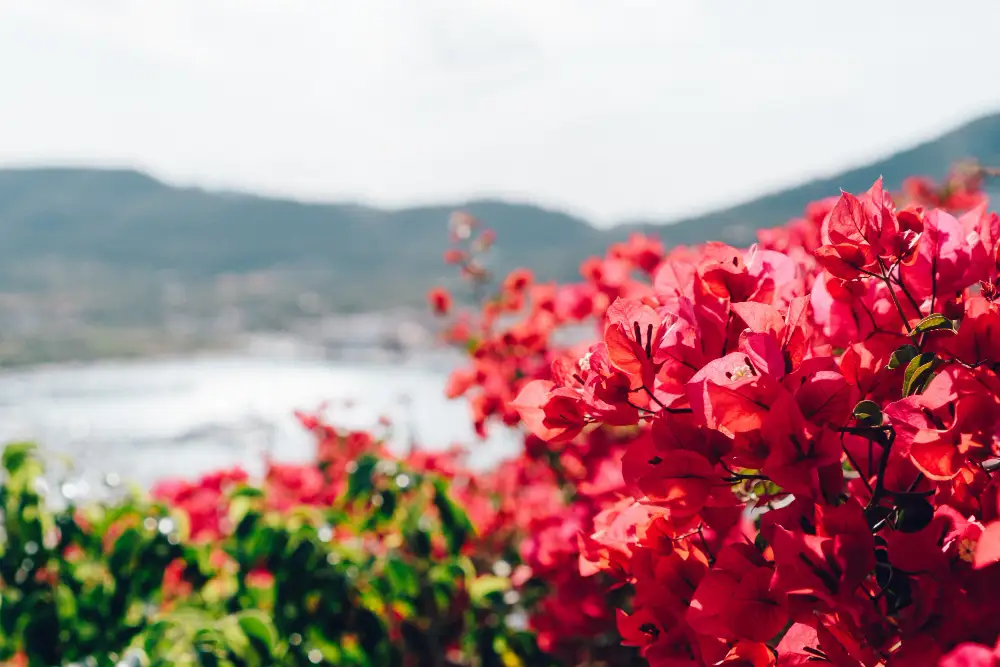
Hibiscus works particularly well as a focal plant because its flowers naturally demand attention. Instead of surrounding it with equally dramatic colorful flowering plants, consider combining it with foliage textures and smaller flowers that support rather than compete with the display.
Hardy hibiscus can work beautifully toward the middle or back of perennial borders, depending on cultivar height. Because the plant emerges relatively late, earlier perennials and bulbs can occupy visual attention before hibiscus takes over during summer.
Rose of Sharon is useful where a woody flowering shrub is desired. It can work as a specimen, informal screen, or part of a mixed shrub border, although mature size should be considered before planting it beside a walkway or window.
Tropical hibiscus is ideal for patios, entrances, balconies, pool areas, and containers where its intensely colored flowers can be viewed closely.
A well-planned garden doesn’t require hibiscus to look spectacular for twelve months. It lets other flowering plants take over when hibiscus isn’t at its best.
Interesting Hibiscus Varieties and Colors
One reason hibiscus remains popular is its extraordinary range of flower forms and colors.
A tropical yellow hibiscus can create an entirely different atmosphere from a deep-red variety, while peach, orange, pink, white, and multicolored cultivars expand the palette further. A pale cream hibiscus can be especially striking against dark foliage or strongly colored neighboring plants.
Among hardy selections, Midnight Marvel is notable for its combination of dark foliage and brilliant red flowers. Other hardy cultivars offer pink, white, burgundy-eyed, and bicolored blooms.
You may occasionally encounter unusual marketing names such as night hibiscus, but always check the botanical identity rather than assuming a descriptive trade or common name represents a separate species. A reliable nursery catalog, botanical database, garden book, or online plant finder can help confirm what you’re actually buying.
Hibiscus Isn’t Just an Ornamental Plant
This is where hibiscus becomes particularly interesting.
The hibiscus grown for tea is primarily hibiscus sabdariffa, commonly known as roselle. This isn’t the same thing as the ornamental tropical hibiscus sitting beside your swimming pool or the hardy perennial growing in your flower border.
The fleshy calyces of Hibiscus sabdariffa are used to make hibiscus tea, a tart, deep-red infusion consumed in many parts of the world. In Mexico and elsewhere in Latin America, a related drink is widely known as agua de jamaica.
Commercial products are available as loose dried hibiscus or convenient tea bags, and hibiscus is also blended with other herbal teas.
If you want to drink hibiscus, use material specifically produced and sold for food or beverage use rather than randomly collecting flowers from an ornamental landscape plant. Ornamental plants may be a different species and could have been treated with pesticides or other products not intended for edible crops.
Does Hibiscus Tea Really Lower Blood Pressure?
This subject deserves more care than the exaggerated health claims frequently attached to herbal products.
There is genuine human research suggesting Hibiscus sabdariffa consumption may help lower blood pressure. A 2022 systematic review and meta-analysis analyzing 13 randomized controlled trials involving 1,205 participants reported reductions in systolic and diastolic blood pressure compared with placebo in people with mild-to-moderate hypertension, although results differed between subgroups and hibiscus wasn’t shown to be superior to antihypertensive medication.
Earlier clinical research also found reductions in systolic blood pressure among prehypertensive and mildly hypertensive adults consuming hibiscus tea. Other systematic reviews have reported potentially beneficial cardiovascular effects while emphasizing limitations in study quality, heterogeneity, dosage, and the need for additional research.
This distinction matters because evidence based health information shouldn’t transform “some clinical evidence suggests an effect” into “hibiscus cures hypertension.”
Researchers have investigated compounds hibiscus contains, including anthocyanins, polyphenols, and organic acids. Laboratory and animal studies have also explored potential biological mechanisms, but results from animals or laboratory experiments don’t automatically demonstrate the same clinical effect in humans.
Anyone reading health articles containing claims about hibiscus should check whether those claims are based on human randomized trials, observational research, or merely laboratory experiments. People with hypertension should not stop or replace prescribed medication simply because they begin drinking hibiscus tea, and anyone using medication or managing a medical condition should discuss substantial herbal-product use with an appropriate healthcare professional.
The garden plant and the medicinal claim should therefore remain separate subjects. Grow hibiscus because you enjoy it; consider hibiscus beverages as food or tea, not as a substitute for individualized medical treatment.
A Seasonal Hibiscus Care Routine
Hibiscus care becomes easier when you think seasonally instead of constantly trying to manipulate the plant.
During spring, hardy plants begin returning to active growth, although H. moscheutos may emerge considerably later than many other perennials. This is a good period for planting, checking mulch, assessing winter damage, and beginning appropriate feeding as active growth develops.
Summer is the main performance period for many varieties. Water becomes especially important during heat, containers require closer monitoring, pests can multiply quickly, and many varieties enter their major flowering period.
During late summer, hardy hibiscus and Rose of Sharon may still be producing impressive displays. Avoid unnecessary stress during flowering and continue monitoring moisture during hot, dry periods.
Autumn and winter care depends entirely on the plant. Hardy perennial stems eventually die back, deciduous Rose of Sharon drops its leaves, and tropical hibiscus needs protection wherever freezing weather occurs.
Hibiscus Care FAQs
How much sunlight does hibiscus need?
Most hibiscus grown for heavy flowering performs best with abundant direct sunlight, often around six or more hours daily. In extremely hot climates, some afternoon protection can be useful, especially for container plants, but deep shade usually reduces flowering. If your hibiscus produces vigorous foliage without many buds, evaluate light exposure before assuming it needs more fertilizer.
How often should I water a potted hibiscus?
Check the potting mix rather than following a rigid schedule. During hot, sunny weather, a large actively growing tropical hibiscus may require very frequent watering, while the same plant indoors during winter may use dramatically less. Water thoroughly when needed and allow excess water to drain rather than keeping the pot permanently saturated.
Why are my hibiscus leaves turning yellow?
Yellow foliage can result from both too much and too little water, making leaf color alone an unreliable diagnosis. Temperature stress, abrupt environmental changes, nutrient problems, pests, root damage, and ordinary aging can produce similar symptoms. Check soil moisture, drainage, insects, recent changes, and overall plant condition before deciding on treatment.
Why does my hibiscus have lots of leaves but no flowers?
Insufficient sunlight is one of the first possibilities to investigate. Excessive nitrogen, poorly timed pruning, environmental stress, plant immaturity, and seasonal timing can also reduce flowering. Correct the underlying growing conditions instead of continually adding “bloom booster” fertilizer.
Can hibiscus survive winter outdoors?
It depends completely on the species and cultivar. Hardy hibiscus, including many Hibiscus moscheutos cultivars, can survive substantial winter cold because their underground crowns remain dormant, while Hibiscus syriacus survives as a woody deciduous shrub in many temperate regions. Tropical hibiscus generally cannot tolerate freezing conditions and requires protection in cold climates.
Why hasn’t my hardy hibiscus returned in spring?
Hardy hibiscus is famously late to emerge. Other perennials may be actively growing while the hibiscus still looks dead, particularly after a cool spring. Give the soil time to warm before assuming the plant was lost during winter, and mark its position so you don’t accidentally dig through the dormant crown.
Can hibiscus grow in partial shade?
Yes, some varieties can grow in a partially shaded location, particularly where they still receive several hours of good sunlight. Flower production, however, may be lower than in a sunnier position. In very hot climates, morning sun combined with some afternoon protection can sometimes provide a useful balance.
Can I grow hibiscus in a container?
Absolutely, and tropical varieties are especially well suited to container culture. Use a pot with reliable drainage, quality potting medium, sufficient root space, and enough weight to support larger specimens. Container growing also makes overwintering easier because the entire plant can be moved into protection before cold weather arrives.
How big does hibiscus get?
Size varies enormously. Some compact container cultivars remain manageable, while mature shrubs can grow many feet tall and wide. Always check the mature dimensions of the specific cultivar rather than planting according to its size at the nursery.
Should I prune hibiscus every year?
Not every hibiscus requires the same pruning strategy. Perennial hardy hibiscus naturally dies to the ground and old stems can be removed during dormancy, while Rose of Sharon retains woody branches and is pruned as a shrub. Tropical hibiscus can be selectively pruned for shape, branching, and size control, particularly when overwintering space is limited.
Is Rose of Sharon the same as tropical hibiscus?
No. Rose of sharon is Hibiscus syriacus, a deciduous woody shrub capable of surviving winters in many temperate climates. Tropical Hibiscus rosa-sinensis is an evergreen warm-climate species and is far more vulnerable to frost.
Is rose mallow the same as hardy hibiscus?
The name rose mallow commonly refers to Hibiscus moscheutos and related hardy hibiscus plants. These perennials produce enormous flowers during summer and die back after freezing weather. They shouldn’t be confused with woody Rose of Sharon or tender tropical hibiscus.
Can I make tea from my garden hibiscus?
Don’t assume every ornamental hibiscus is suitable for your teapot. The species most closely associated with commercial hibiscus tea is Hibiscus sabdariffa, and beverage products are generally made from its calyces rather than simply picking any ornamental flower. Use hibiscus specifically grown or sold for food use and avoid plants treated with chemicals not intended for edible crops.
Is hibiscus tea the same as tea from Camellia sinensis?
No. Hibiscus is an herbal infusion rather than true tea produced from Camellia sinensis, the plant used for traditional black, green, white, and oolong teas. That places hibiscus alongside other caffeine-free herbal teas, although commercial blends can contain additional ingredients, so checking the label is still worthwhile.
Can hibiscus tea replace blood-pressure medication?
No. Research suggests Hibiscus sabdariffa may have blood-pressure-lowering effects in some populations, but available evidence doesn’t justify replacing prescribed treatment with hibiscus. Clinical studies and meta-analyses remain more nuanced than many online claims, and anyone being treated for hypertension should discuss dietary supplements or regular medicinal use of herbal products with their healthcare professional.
Beautiful Hibiscus Starts With the Right Plant in the Right Place
The most important lesson in hibiscus care isn’t a secret fertilizer formula or complicated pruning technique. It is recognizing that the word “hibiscus” covers plants with very different behaviors, and identifying yours before deciding how to care for it. A tropical container plant, perennial Hibiscus moscheutos, edible hibiscus sabdariffa, and woody Hibiscus syriacus shouldn’t all receive identical treatment.
Once identification is settled, the fundamentals become much simpler. Give the plant sufficient sunlight, appropriate soil, enough water without blindly saturating the roots, sensible nutrition, and pruning suited to its growth habit. Protect tropical varieties from cold while allowing genuinely hardy plants to follow their natural winter dormancy.
Do that consistently and hibiscus rewards remarkably ordinary care with flowers that look anything but ordinary. Whether you’re building a tropical patio, adding colorful flowering shrubs to a landscape, filling a container garden, or waiting for enormous summer blooms from a hardy perennial, few plants can deliver quite the same visual impact.
And perhaps that’s why, among several hundred species and countless cultivated varieties, gardeners continue making room for hibiscus. The individual flowers may be temporary, but when the plant reaches its bloom season in the right conditions, they’re extremely difficult to ignore.