





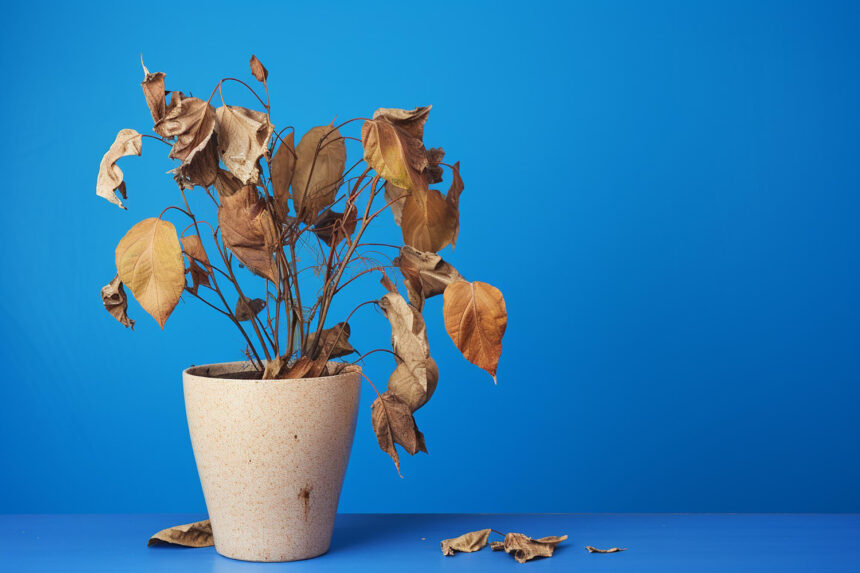
Can an Overwatered Plant Be Saved?
The good news is that most overwatered plants can recover, especially if you act before root rot becomes severe.
- Can an Overwatered Plant Be Saved?
- Signs Your Plant Has Been Overwatered
- Step 1: Stop Watering Immediately
- Step 2: Remove Standing Water
- Step 3: Move the Plant to a Better Location
- Step 4: Let the Soil Dry
- Step 5: Inspect the Roots
- Step 6: Remove Damaged Roots
- Step 7: Repot in Fresh Soil
- Step 8: Remove Damaged Leaves
- Should You Fertilize an Overwatered Plant?
- How Long Does Recovery Take?
- How to Prevent Overwatering in the Future
- Which Plants Are Most Sensitive to Overwatering?
- Frequently Asked Questions
Many people assume a wilting plant needs more water, but overwatered plants often look thirsty because their damaged roots can no longer absorb moisture properly. Instead of helping, adding more water usually makes the situation worse. Experts recommend stopping watering immediately and allowing the growing medium to recover before taking additional steps.
Signs Your Plant Has Been Overwatered
Before attempting to rescue your plant, make sure overwatering is actually the problem.
Common symptoms include:


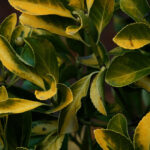
- Yellowing leaves
- Soft, drooping stems
- Leaves falling off while still green
- Constantly wet or soggy soil
- Mold growing on the soil surface
- Fungus gnats around the pot
- A sour or musty smell coming from the soil
- Slow or stunted growth
If several of these signs appear together, excess water is likely stressing your plant.
Step 1: Stop Watering Immediately
The first and most important step is simple—stop watering.
Even if your plant looks wilted, adding more water will only keep oxygen away from the roots and increase the risk of root rot.
Allow the soil to begin drying naturally before deciding on the next course of action.
Step 2: Remove Standing Water
If your plant sits inside a decorative cache pot or saucer, empty any standing water immediately.
Roots should never sit in water for extended periods, as this deprives them of oxygen and encourages fungal growth.
Also check that the drainage holes aren’t blocked by roots or compacted soil.
Step 3: Move the Plant to a Better Location
Help excess moisture evaporate by placing the plant somewhere with:
- Bright, indirect light
- Good air circulation
- Warm (but not hot) temperatures
Avoid placing a stressed plant in harsh, direct sunlight, as this can create additional stress while it’s trying to recover.
Step 4: Let the Soil Dry
Resist the temptation to interfere too much.
If the overwatering isn’t severe, simply allowing the soil to dry may be enough.
Avoid watering again until the top few inches of soil feel dry to the touch.
A moisture meter can also help if you’re unsure whether the soil is still holding excess water.
Step 5: Inspect the Roots
If your plant continues declining after several days, carefully remove it from its pot and inspect the roots.



Healthy roots are usually:
- White
- Cream-colored
- Firm
Unhealthy roots are often:
- Brown or black
- Mushy
- Slimy
- Bad-smelling
Healthy roots indicate the plant still has a strong chance of recovery.
Step 6: Remove Damaged Roots
If root rot has started, trim away the affected roots using clean, sterilized pruning shears.
Only remove roots that are:
- Soft
- Mushy
- Dark
- Rotten
Leave as many healthy roots intact as possible.
Cleaning your pruning tools before and after use helps prevent the spread of disease.
Step 7: Repot in Fresh Soil
If the existing soil is saturated or smells unpleasant, repotting is often the best solution.
Choose:
- Fresh, well-draining potting mix
- A clean container
- A pot with adequate drainage holes
Avoid reusing waterlogged soil, as it may contain harmful fungi or bacteria.
Repotting gives healthy roots a much better environment to recover.
Step 8: Remove Damaged Leaves
Trim away leaves that are:
- Completely yellow
- Brown
- Mushy
- Dead
Removing severely damaged foliage allows the plant to redirect its energy toward producing healthy new growth.
Don’t remove every leaf unless absolutely necessary—healthy foliage is still producing energy for recovery.
Should You Fertilize an Overwatered Plant?
No—not immediately.
An overwatered plant is already under stress, and fertilizer can place even more pressure on weakened roots.
Wait until you see signs of healthy new growth before resuming your normal feeding schedule. Some experts recommend avoiding fertilizer for several weeks after repotting or rescuing an overwatered plant.
How Long Does Recovery Take?
Recovery depends on how severe the damage is.
| Condition | Estimated Recovery Time |
|---|---|
| Mild overwatering | Several days to 2 weeks |
| Moderate root damage | 2–4 weeks |
| Severe root rot | Several weeks or longer |
| Extensive root death | Recovery may not be possible |
Patience is important. Avoid making constant changes while the plant is recovering.
How to Prevent Overwatering in the Future
Most overwatering problems can be avoided with a few simple habits.
| Common Mistake | Better Practice |
|---|---|
| Watering on a schedule | Check soil moisture first |
| Leaving water in saucers | Empty excess water immediately |
| Using pots without drainage | Always choose pots with drainage holes |
| Watering a wilting plant without checking soil | Test the soil before watering |
| Using heavy, compacted soil | Choose a well-draining potting mix |
These small adjustments can dramatically reduce the risk of future problems.
Which Plants Are Most Sensitive to Overwatering?
Some plants tolerate excess moisture better than others.
Plants especially vulnerable to overwatering include:
- Succulents
- Cacti
- Snake plants
- ZZ plants
- Lavender
- Aloe vera
Plants that generally tolerate consistently moist soil include:
- Peace lilies
- Ferns
- Caladiums
- Some tropical houseplants
Even moisture-loving plants, however, still require proper drainage.
Frequently Asked Questions
Should I repot an overwatered plant immediately?
Not always. If the soil is only slightly wet and the roots are healthy, allowing the soil to dry may be enough. Repotting is usually recommended when the soil remains waterlogged, smells sour, or root rot is present.
Will yellow leaves turn green again?
Usually not. Once a leaf has turned completely yellow, it won’t regain its color. Focus instead on encouraging healthy new growth.
Can a plant recover from root rot?
Yes, if enough healthy roots remain. Removing damaged roots and repotting into fresh, well-draining soil gives the plant the best chance of recovery.
How do I know when it’s safe to water again?
Check the soil rather than the calendar. If the top 1–2 inches feel dry, it’s generally time to water again. If the soil is still damp, wait a little longer.