





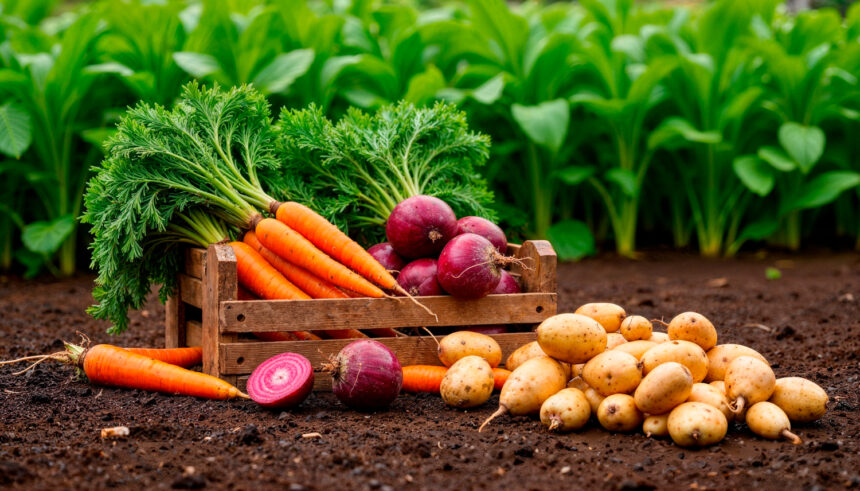
Small Gardens Can Produce Big Results
You don’t need a large backyard to grow your own vegetables. In fact, many crops thrive in raised beds, containers, vertical gardens, or even a few pots on a sunny balcony.
- Small Gardens Can Produce Big Results
- Lettuce
- Radishes
- Cherry Tomatoes
- Bush Beans
- Spinach
- Spring Onions
- Peas
- Carrots
- Beetroot
- Kale
- Cucumbers
- Peppers
- Herbs Deserve a Place Too
- Best Vegetables for Small Gardens at a Glance
- Make the Most of Vertical Space
- Try Succession Planting
- Choose Compact or Patio Varieties
- Common Mistakes in Small Vegetable Gardens
- Frequently Asked Questions
The secret is choosing vegetables that are compact, high-yielding, and well-suited to small spaces. Many seed companies now offer dwarf or patio varieties specifically bred for containers and smaller gardens.
Lettuce
Lettuce is one of the easiest and most rewarding vegetables for small gardens.
It grows quickly, takes up very little room, and many varieties can be harvested multiple times using the “cut-and-come-again” method.

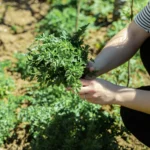
Lettuce grows well in:
- Containers
- Raised beds
- Window boxes
- Vertical planters
With regular sowing every few weeks, you can enjoy fresh leaves throughout the growing season.
Radishes
If you’re looking for fast results, radishes are hard to beat.
Many varieties are ready to harvest in as little as three to four weeks, making them perfect for beginner gardeners.
Because they mature so quickly, you can grow several crops in the same space during one season.
Cherry Tomatoes
Cherry tomatoes are ideal for small gardens because they produce huge numbers of fruits without requiring much ground space.
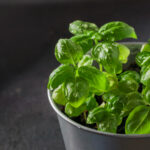
Growing them vertically on stakes, cages, or trellises keeps plants compact while making harvesting easier.
They’re especially well suited to:
- Large containers
- Raised beds
- Sunny patios
Cherry varieties are also among the easiest tomatoes for beginners to grow successfully.
Bush Beans
Unlike climbing beans, bush beans don’t require large supports and fit neatly into small vegetable beds.
They produce generous harvests over several weeks and are easy to care for.
For gardeners with very limited space, climbing beans remain an excellent option because they grow upward instead of outward.
Spinach
Spinach grows quickly and doesn’t need much room.
Its shallow roots make it perfect for containers, while frequent harvesting encourages continuous leaf production.
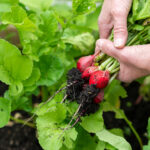
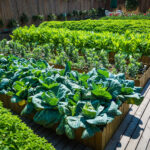
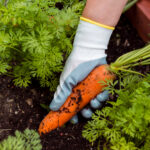
Cooler temperatures help spinach thrive, making it an excellent choice for spring and autumn gardens.
Spring Onions
Spring onions take up very little space and can even be planted between slower-growing vegetables.
They’re ideal for:
- Containers
- Raised beds
- Mixed vegetable gardens
Since they’re harvested young, they don’t require large growing areas.
Peas
Peas are one of the smartest choices for compact gardens because they grow vertically.
A simple trellis or bamboo frame allows plants to climb upward, freeing valuable ground space for other crops.
In addition to producing delicious pods, pea plants also improve soil by naturally fixing nitrogen.
Carrots
Short or round carrot varieties perform surprisingly well in containers and raised beds.
Loose, stone-free soil helps roots develop properly.
Choose shorter cultivars if you’re growing in pots, as they require less depth than traditional long carrots.
Beetroot
Beetroot is another excellent space-saving vegetable.
Not only can you harvest the roots, but the young leaves are also edible and highly nutritious.
Compact varieties fit comfortably into raised beds or medium-sized containers.
Kale
Kale offers exceptional value in small gardens because you harvest individual leaves instead of pulling up the whole plant.
Regular harvesting encourages continuous growth, allowing a single plant to provide fresh leaves for months.
It’s also one of the more cold-tolerant vegetables, extending your harvest into cooler weather.
Cucumbers
Traditional cucumber plants can spread widely, but compact bush varieties and climbing cucumbers are ideal for small spaces.
Growing cucumbers vertically offers several advantages:
- Saves ground space
- Improves air circulation
- Makes harvesting easier
- Helps keep fruit clean
A sturdy trellis quickly transforms cucumbers into an excellent vertical crop.
Peppers
Sweet peppers and chili peppers grow very well in containers.
Most compact varieties require only:
- Plenty of sunshine
- Regular watering
- Occasional feeding
With the right care, even a single plant can produce dozens of peppers during the season.
Herbs Deserve a Place Too
Although technically not vegetables, herbs are some of the most productive edible plants for small gardens.
Excellent choices include:
- Basil
- Parsley
- Chives
- Thyme
- Cilantro
- Oregano
Fresh herbs take up very little room and can dramatically improve home-cooked meals.
Best Vegetables for Small Gardens at a Glance
| Vegetable | Great for Containers | Grows Vertically | Beginner Friendly |
|---|---|---|---|
| Lettuce | ✅ | ❌ | ✅ |
| Radishes | ✅ | ❌ | ✅ |
| Cherry Tomatoes | ✅ | ✅ | ✅ |
| Bush Beans | ✅ | ❌ | ✅ |
| Spinach | ✅ | ❌ | ✅ |
| Spring Onions | ✅ | ❌ | ✅ |
| Peas | ✅ | ✅ | ✅ |
| Carrots | ✅ | ❌ | ✅ |
| Beetroot | ✅ | ❌ | ✅ |
| Kale | ✅ | ❌ | ✅ |
| Cucumbers | ✅ | ✅ | ✅ |
| Peppers | ✅ | ❌ | ✅ |
Make the Most of Vertical Space
When gardening space is limited, think upwards rather than outwards.
Vertical gardening allows you to grow more food in the same footprint by using:
- Trellises
- Garden arches
- Wall planters
- Hanging baskets
- Bamboo supports
Vegetables such as peas, cucumbers, climbing beans, and indeterminate tomatoes all benefit from vertical growing systems.
Try Succession Planting
One of the easiest ways to increase your harvest is succession planting.
Instead of sowing everything at once, plant small batches every two to three weeks.
This works particularly well for:
- Lettuce
- Spinach
- Radishes
- Spring onions
You’ll enjoy a continuous harvest rather than having everything ready at the same time. Growing little and often is widely recommended for maximizing production in small spaces.
Choose Compact or Patio Varieties
Many vegetables are now available in varieties specifically developed for containers and small gardens.
Look for labels such as:
- Patio
- Bush
- Compact
- Dwarf
These plants remain smaller while still producing impressive harvests, making them ideal for balconies, terraces, and tiny backyards.
Common Mistakes in Small Vegetable Gardens
| Mistake | Better Approach |
|---|---|
| Growing oversized crops | Choose compact or dwarf varieties |
| Planting too closely | Follow spacing recommendations |
| Ignoring vertical space | Grow climbing vegetables on supports |
| Using small containers | Choose pots large enough for root growth |
| Planting everything at once | Sow little and often |
| Forgetting regular harvesting | Pick crops frequently to encourage continued production |
Frequently Asked Questions
Which vegetable gives the highest yield in a small space?
Cherry tomatoes, climbing beans, cucumbers, and cut-and-come-again lettuce are among the most productive vegetables for compact gardens because they produce continuously over a long period.
Can you grow vegetables in pots?
Absolutely. Many vegetables, including tomatoes, peppers, lettuce, spinach, carrots, and herbs, grow exceptionally well in containers as long as they receive enough sunlight and regular watering.
What’s the easiest vegetable for beginners?
Radishes, lettuce, bush beans, cherry tomatoes, and spinach are all excellent beginner-friendly choices thanks to their quick growth and relatively simple care requirements.
How much sunlight do vegetables need?
Most vegetables perform best with at least 6 hours of direct sunlight each day. Fruiting crops such as tomatoes, peppers, and cucumbers generally produce the best harvests with 6 to 8 hours of sunshine.