





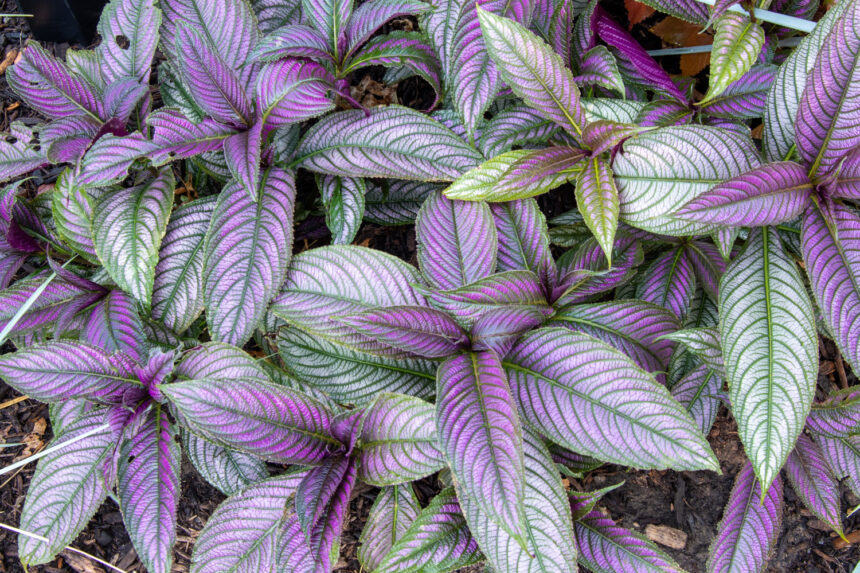
Can Plants Really Grow in Full Shade?
Many gardeners assume that every plant needs several hours of direct sunshine each day, but that’s not always the case. While very few plants thrive in deep, dark conditions, plenty of species are perfectly adapted to growing in areas that receive little or no direct sunlight.
- Can Plants Really Grow in Full Shade?
- Hostas
- Ferns
- Astilbe
- Heuchera (Coral Bells)
- Brunnera
- Hellebores
- Japanese Forest Grass
- Lungwort (Pulmonaria)
- Bleeding Heart
- Japanese Spurge
- Foxgloves
- Hydrangeas
- Shade-Loving Plants at a Glance
- Tips for Gardening in Full Shade
- Plants to Avoid in Full Shade
- Frequently Asked Questions
Before choosing plants, it’s important to understand the type of shade you have. Full shade generally means less than one hour of direct sunlight each day or bright, indirect light for most of the day. Deep shade, such as beneath dense evergreen trees or between tall buildings, is much more challenging and limits your planting options.
Hostas
Hostas are among the most popular shade-loving plants, and for good reason.
They’re grown primarily for their attractive foliage, which comes in countless shades of green, blue, gold, and variegated patterns.
Hostas are ideal for:
- Woodland gardens
- Borders
- Under trees
- Containers
Many varieties also produce elegant spikes of lavender or white flowers during summer.
Ferns
Few plants create a lush woodland atmosphere quite like ferns.
They’re available in many shapes and sizes, making them suitable for almost every shaded corner of the garden.
Popular varieties include:
- Japanese painted fern
- Lady fern
- Autumn fern
- Christmas fern
Ferns generally prefer consistently moist, well-drained soil rich in organic matter.
Astilbe
Astilbe adds color where many flowering plants struggle.
Its feathery flower plumes appear in shades of:
- Pink
- White
- Red
- Purple
Astilbe performs best in moist soil and is particularly effective beside ponds, streams, or shaded borders.
Heuchera (Coral Bells)
Heuchera is valued as much for its colorful foliage as its flowers.
Depending on the variety, leaves may be:
- Lime green
- Deep purple
- Bronze
- Silver
- Caramel
- Almost black
Small bell-shaped flowers appear on slender stems during late spring and summer, attracting pollinators.
Brunnera
Often called Siberian bugloss, Brunnera is an excellent choice for brightening shady areas.
Its heart-shaped leaves—many with striking silver markings—remain attractive throughout the growing season, while delicate blue flowers resemble forget-me-nots in spring.

Brunnera thrives in cool, shaded locations with consistently moist soil.
Hellebores
Known as the Lenten rose, hellebores provide some of the earliest flowers of the gardening year.
Depending on the variety, blooms appear from late winter into early spring in shades of:
- White
- Pink
- Burgundy
- Green
- Purple
They’re long-lived perennials that require very little maintenance once established.
Japanese Forest Grass
If you’re looking to add movement and texture, Japanese forest grass is an excellent option.
Its graceful arching foliage softens shaded borders and contrasts beautifully with broad-leaved plants like hostas.
Golden varieties are particularly effective at brightening darker corners of the garden.
Lungwort (Pulmonaria)
Pulmonaria combines decorative foliage with colorful spring flowers.
Its spotted or silver-patterned leaves remain attractive long after flowering has finished.
Flower colors often change as they mature, beginning pink before turning blue or violet.
Bleeding Heart
Bleeding heart is famous for its distinctive heart-shaped flowers that dangle gracefully from arching stems.
It flowers during spring and early summer and thrives in cool, shaded gardens with moist, fertile soil.
Even after flowering ends, its elegant foliage adds texture to woodland-style plantings.
Japanese Spurge
Japanese spurge is an evergreen ground cover that’s perfect for filling difficult shady spaces.
Benefits include:
- Dense growth
- Weed suppression
- Year-round greenery
- Minimal maintenance
It’s especially useful beneath trees and along shaded pathways.
Foxgloves
Foxgloves tolerate partial to full shade surprisingly well and produce tall flower spikes covered in tubular blooms.
They’re a favorite of bees and add impressive vertical interest to shaded borders.
Keep in mind that all parts of the plant are toxic if ingested, so plant with care around children and pets.
Hydrangeas
While many flowering shrubs prefer full sun, several hydrangea varieties perform exceptionally well in shaded gardens.
Bigleaf and climbing hydrangeas, in particular, appreciate morning sun and afternoon shade, while some gardeners also have success growing them in locations with very limited direct sunlight, provided the soil remains moist.
Shade-Loving Plants at a Glance
| Plant | Grown For | Evergreen |
|---|---|---|
| Hosta | Decorative foliage | No |
| Ferns | Textured foliage | Some varieties |
| Astilbe | Colorful flowers | No |
| Heuchera | Colorful foliage | Semi-evergreen |
| Brunnera | Foliage and spring flowers | No |
| Hellebore | Winter and spring flowers | Yes |
| Japanese Forest Grass | Graceful foliage | No |
| Lungwort | Flowers and foliage | Semi-evergreen |
| Bleeding Heart | Spring flowers | No |
| Japanese Spurge | Ground cover | Yes |
| Foxglove | Tall flower spikes | No |
| Hydrangea | Large summer blooms | No |
Tips for Gardening in Full Shade
Growing plants in shade requires a slightly different approach than gardening in sunny areas.
For the best results:
- Improve the soil with compost before planting.
- Water regularly during dry weather, especially beneath large trees.
- Avoid overcrowding plants to encourage good air circulation.
- Choose plants suited to the amount of shade available.
- Use light-colored flowers and variegated foliage to brighten darker spaces.
Gardeners also recommend adding plenty of organic matter to improve moisture retention, particularly where tree roots compete for water.
Plants to Avoid in Full Shade
Many popular garden plants struggle without direct sunlight.
These include:
- Lavender
- Roses
- Zinnias
- Marigolds
- Sunflowers
- Most Mediterranean herbs
Plants that require full sun often become leggy, produce fewer flowers, and are more susceptible to disease when grown in heavy shade.
Frequently Asked Questions
What is considered full shade?
Full shade generally means an area receives less than one hour of direct sunlight each day or only filtered, indirect light throughout the day.
Can flowering plants grow in full shade?
Yes. Plants such as astilbe, hellebores, bleeding hearts, lungwort, foxgloves, and some hydrangeas can all flower successfully in shady conditions.
Which plant is best for deep shade?
Hostas, many ferns, Japanese spurge, and certain woodland perennials are among the most reliable choices for deep shade, although extremely dark locations support fewer plant options overall.
How can I brighten a shady garden?
Choose plants with white or pale-colored flowers, silver or variegated foliage, and combine different leaf shapes and textures. These features reflect more light and help shaded spaces feel brighter and more inviting.