




Why Repotting Is Important
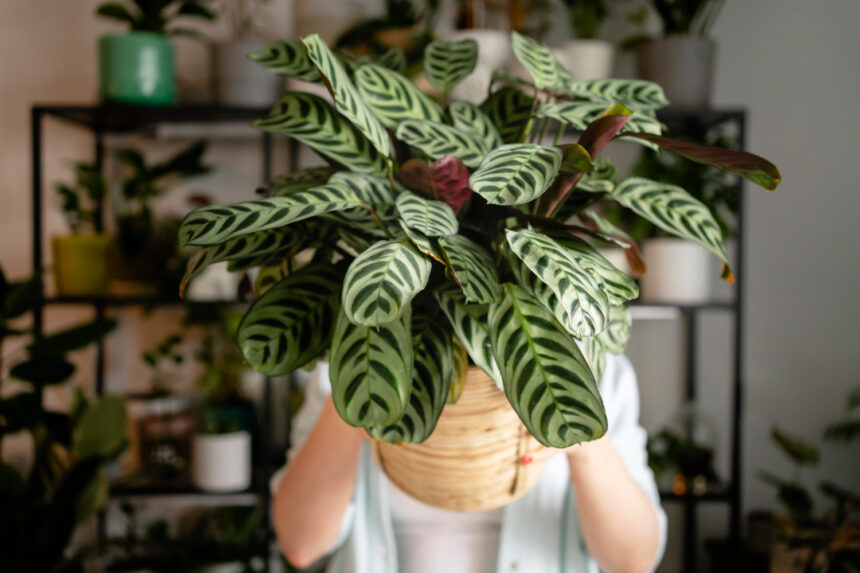
Repotting is an essential part of plant care, but it’s often overlooked until a plant starts showing signs of stress. While some houseplants are happy being slightly root-bound, most eventually outgrow their containers and need fresh soil, more space, or both.
- Why Repotting Is Important
- Roots Growing Out of the Drainage Holes
- Roots Appearing on the Soil Surface
- The Soil Dries Out Much Faster Than Before
- Water Runs Straight Through the Pot
- Your Plant Has Stopped Growing
- Smaller New Leaves
- Yellowing Leaves Without Another Obvious Cause
- The Plant Is Top-Heavy
- The Pot Looks Too Small
- How to Check If Your Plant Is Root-Bound
- When Is the Best Time to Repot?
- How Much Bigger Should the New Pot Be?
- Do All Plants Need Regular Repotting?
- Common Repotting Mistakes
- Frequently Asked Questions
A larger pot doesn’t just give roots more room to grow—it also provides fresh potting mix, better drainage, and access to new nutrients. Knowing when to repot can help prevent stunted growth, nutrient deficiencies, and watering problems. Horticultural experts recommend checking container plants every few years, as potting mix naturally breaks down over time and roots gradually fill the available space.
Roots Growing Out of the Drainage Holes
One of the clearest signs that a plant needs repotting is visible roots emerging from the drainage holes at the bottom of the pot.
When roots begin searching for additional space, they’ve often filled the container completely. At this stage, the plant has little room left for healthy root development.

If you notice just one or two roots, there’s no need to panic. However, if numerous roots are growing through the drainage holes, it’s usually time to move your plant into a slightly larger container.
Roots Appearing on the Soil Surface
Not all roots grow downward.
Sometimes they’ll begin circling around the top of the soil because they’ve run out of space inside the pot.
Visible surface roots don’t always require immediate repotting, but they often indicate that the root system is becoming crowded and should be inspected.
The Soil Dries Out Much Faster Than Before
Have you noticed yourself watering more often than usual?
As roots fill more of the pot, there’s less soil available to hold moisture. This means water disappears much faster, even if your watering routine hasn’t changed.
If your plant suddenly needs watering every couple of days when it previously lasted a week, the container may simply be too small. This is one of the most common signs of a pot-bound plant.
Water Runs Straight Through the Pot
Healthy potting mix should absorb water gradually.
If water immediately pours out of the drainage holes without soaking into the soil, your plant may have become severely root-bound.
In crowded pots, there may be very little soil left, leaving roots unable to absorb moisture effectively.
While extremely dry potting mix can sometimes cause the same problem, it’s worth checking the roots if this happens repeatedly.
Your Plant Has Stopped Growing
Plants naturally slow their growth during certain seasons, particularly in winter.
However, if your plant has stopped producing new leaves during its active growing season despite receiving proper light, water, and fertilizer, the roots may no longer have enough room to expand.
Restricted roots often lead to slower overall growth because the plant has reached the limits of its container.
Smaller New Leaves
Another subtle warning sign is when new leaves begin emerging much smaller than older ones.
This often indicates that the plant is struggling to access enough water and nutrients because its root system has become overcrowded.
If the rest of your care routine hasn’t changed, repotting may restore healthy growth.
Yellowing Leaves Without Another Obvious Cause
Yellow leaves can result from several issues, including overwatering, underwatering, pests, or nutrient deficiencies.
However, if you’ve ruled out those common causes and your plant continues to yellow while producing little new growth, a crowded root system could be contributing to the problem.
Old potting mix also loses nutrients over time, making repotting beneficial even if the pot size remains the same.
The Plant Is Top-Heavy
Some plants eventually become much larger than the pot supporting them.
Signs include:
- The pot tips over easily.
- The plant leans excessively.
- The container feels unstable.
Repotting into a slightly larger, heavier pot often improves stability while giving the roots additional room to grow.
The Pot Looks Too Small
Sometimes the simplest clue is visual.
If your plant has doubled or tripled in size while remaining in its original nursery pot, chances are the container is no longer suitable.
As a general rule, the root system should have enough room to continue growing without becoming tightly packed.
How to Check If Your Plant Is Root-Bound
If you’re unsure whether repotting is necessary, gently remove the plant from its pot.
Look for these signs:
| Healthy Root Ball | Root-Bound Plant |
|---|---|
| Soil visible between roots | Roots tightly packed together |
| White, healthy roots | Thick circles of roots around the pot |
| Loose root system | Very little visible soil |
| Roots spread naturally | Dense mass of intertwined roots |
If the roots are wrapping tightly around the outside or bottom of the root ball, it’s usually time to repot.
When Is the Best Time to Repot?
For most houseplants, spring is considered the ideal time to repot because plants are entering their active growing season.
Repotting during this period allows roots to establish quickly in fresh potting mix before slower winter growth begins.
How Much Bigger Should the New Pot Be?
One of the biggest mistakes beginners make is choosing a pot that’s far too large.
A pot that’s only 1–2 inches (2.5–5 cm) wider than the current one is usually enough for most houseplants.
Moving to an oversized container can leave excess soil wet for too long, increasing the risk of root rot.
Do All Plants Need Regular Repotting?
Not necessarily.
Some fast-growing plants benefit from repotting every year or two, while slow-growing species may remain happy in the same container for several years.
Plants such as snake plants, ZZ plants, and many succulents actually prefer being slightly root-bound and don’t require frequent repotting.
The best approach is to watch for signs rather than following a strict calendar.
Common Repotting Mistakes
| Mistake | Better Approach |
|---|---|
| Choosing a pot that’s too large | Increase pot size gradually |
| Reusing old compacted soil | Use fresh, well-draining potting mix |
| Damaging healthy roots | Handle the root ball gently |
| Forgetting drainage holes | Always use pots with drainage |
| Fertilizing immediately after repotting | Allow the plant time to recover |
Frequently Asked Questions
How often should I repot my houseplants?
It depends on the plant’s growth rate. Some plants need repotting every one to two years, while slower-growing varieties may only need fresh soil every three to five years.
Can I repot a plant in winter?
It’s usually better to wait until spring, but if your plant is severely root-bound or experiencing serious problems, repotting sooner may be necessary.
Should I water immediately after repotting?
Yes. Watering helps settle the fresh potting mix around the roots and reduces transplant stress. Afterward, allow the soil to dry according to the plant’s normal watering needs.
Can a plant be too small for a large pot?
Yes. Excess soil holds more moisture than the roots can absorb, increasing the risk of overwatering and root rot. That’s why it’s recommended to move up only one pot size at a time.