





Why Gardening Is Worth It
Gardening is one of the most rewarding hobbies you can take up. Whether you’re growing colorful flowers, fresh vegetables, fragrant herbs, or a combination of all three, a garden can improve your outdoor space while offering countless physical and mental health benefits.
For beginners, the process can feel overwhelming. With so many plants, tools, and techniques available, it’s easy to wonder where to start. The good news is that successful gardening isn’t about having a “green thumb”—it’s about understanding a few basic principles and building your confidence over time.
Choose the Right Spot
Location plays a huge role in determining whether your garden will thrive.
Most vegetables, herbs, and flowering plants require at least six to eight hours of direct sunlight every day. Before planting anything, spend a few days observing your outdoor space to see which areas receive the most consistent sunlight. Easy access to water and well-draining soil are equally important for healthy plant growth. Starting with a small, manageable space is often the best approach for first-time gardeners.
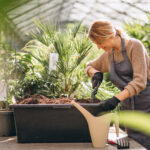
If you don’t have a backyard, don’t let that stop you. Raised beds, containers, balconies, patios, and even sunny windowsills can become productive growing spaces with the right care.
Build Healthy Soil First
Experienced gardeners often say that healthy gardens begin underground.
Good soil should be rich in organic matter while still allowing excess water to drain away. Before planting, remove weeds, stones, and debris, then mix compost into the soil to improve its structure and fertility.
Testing your soil can also help identify nutrient deficiencies or pH imbalances before they become a problem. Healthy roots grow in healthy soil, making this one of the most important investments you can make for your garden.
Start with Easy Plants
One of the biggest mistakes beginners make is trying to grow everything at once.
Instead, choose a handful of reliable, low-maintenance plants that are known for being beginner-friendly. Herbs like basil, mint, parsley, and chives are excellent choices, while vegetables such as lettuce, radishes, cucumbers, cherry tomatoes, and peppers are also relatively easy to grow.
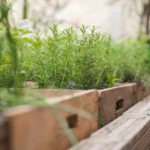
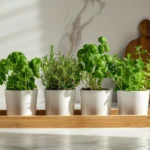
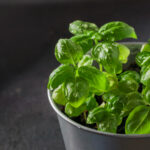
If you’re more interested in flowers, marigolds, sunflowers, zinnias, and cosmos are colorful options that don’t require extensive experience. Native plants are another excellent choice because they’re naturally adapted to your local climate and usually need less maintenance.
Learn How to Water Properly
Watering sounds simple, but it’s one of the areas where beginners make the most mistakes.
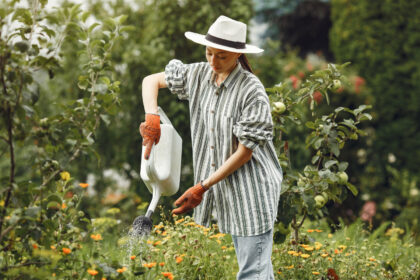
Rather than watering lightly every day, it’s usually better to water deeply a few times each week. This encourages roots to grow deeper into the soil, creating stronger, healthier plants.
Always water the soil instead of the leaves whenever possible. Wet foliage can encourage fungal diseases and other plant problems, particularly during warm or humid weather. Watering early in the morning is generally the most effective approach because it gives plants time to absorb moisture before temperatures rise.
Don’t Forget Regular Maintenance
Gardens need consistent attention, but they don’t require hours of work every day.
Spend a few minutes each week pulling weeds, removing dead leaves, checking for insects, and inspecting plants for signs of disease. Catching small problems early often prevents larger issues later in the season.
Adding mulch around your plants can also make maintenance much easier by helping the soil retain moisture, reducing weeds, and keeping root temperatures more stable.
Invest in a Few Basic Tools
You don’t need an expensive collection of gardening equipment to get started.
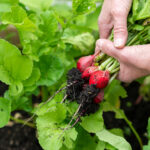
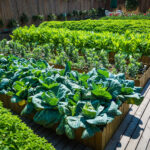
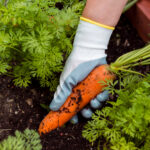
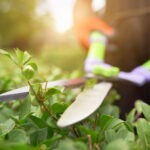
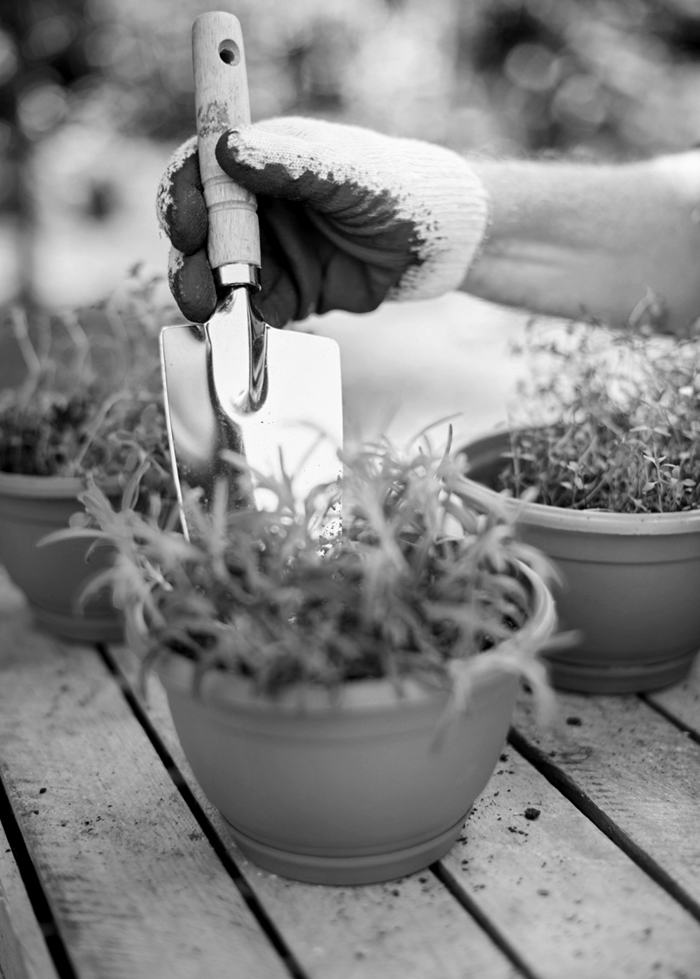
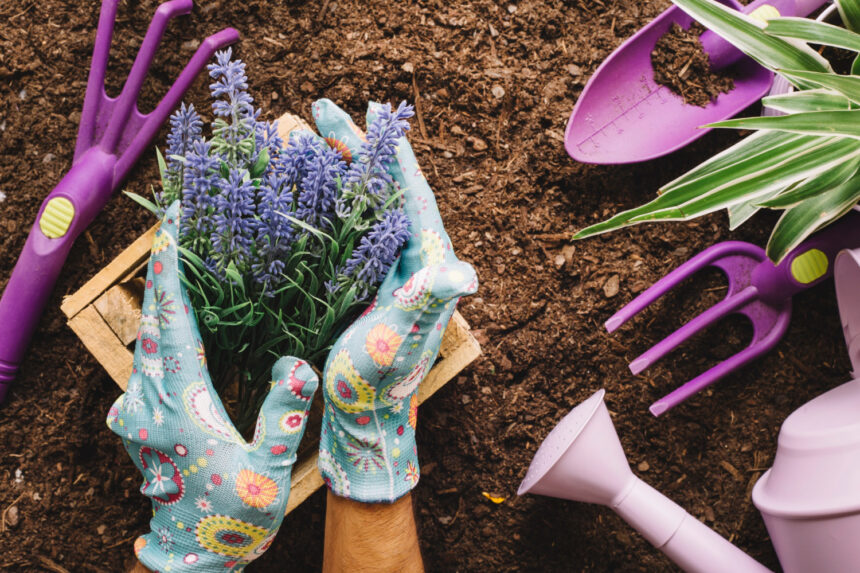
A hand trowel, garden gloves, watering can or hose, pruning shears, hand fork, and rake are enough for most beginner gardens. As your confidence grows, you can gradually add more specialized tools based on your gardening needs.
Buying quality tools that last several seasons is often a better investment than purchasing large starter kits filled with equipment you’ll rarely use.
Be Patient and Keep Learning
Every gardener experiences setbacks. Seeds don’t always germinate, plants sometimes fail, and pests occasionally appear despite your best efforts.
Instead of seeing these moments as failures, treat them as part of the learning process. Every growing season teaches valuable lessons that help you become a more confident gardener.
Start small, enjoy the journey, and celebrate every success—whether it’s your first tomato, your first flower, or simply seeing new leaves appear. Over time, those small victories will grow into a thriving garden that reflects your own experience and dedication.