







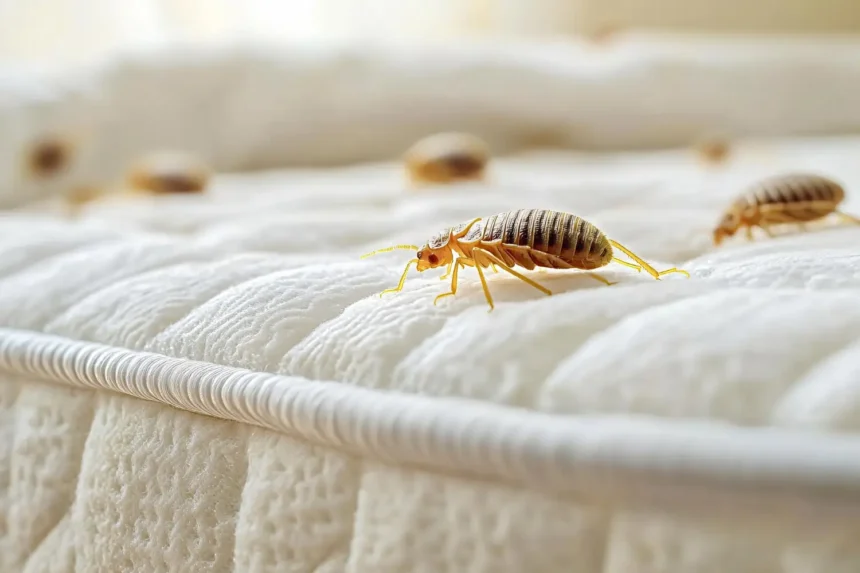
Few household pests create as much anxiety as bed bugs. They are small, excellent at hiding, capable of traveling unnoticed in luggage and furniture, and difficult to eliminate once an infestation becomes established. Despite their reputation, however, they are not known to transmit diseases to humans, and having them does not mean that a home is dirty.
- What Do Bed Bugs Look Like?
- Where Do Bed Bugs Hide?
- What Are the Main Signs of Bed Bugs?
- Why Do Bed Bugs Bite?
- What Do Bed Bug Bites Look Like?
- Can Bed Bug Bites Cause Skin Infections?
- The Bed Bug Life Cycle
- How Do Bed Bugs Get Into a Home?
- How to Prevent Bed Bugs While Traveling
- What Should You Do If You Find Bed Bugs?
- What Actually Kills Bed Bugs?
- What About Diatomaceous Earth and Silica Gel?
- Pesticide Safety Matters
- Do Bed Bug Laws Require a Landlord to Pay?
- What Research Tells Us About Bed Bugs
- Frequently Asked Questions
- The Most Important Thing to Know About Bed Bugs
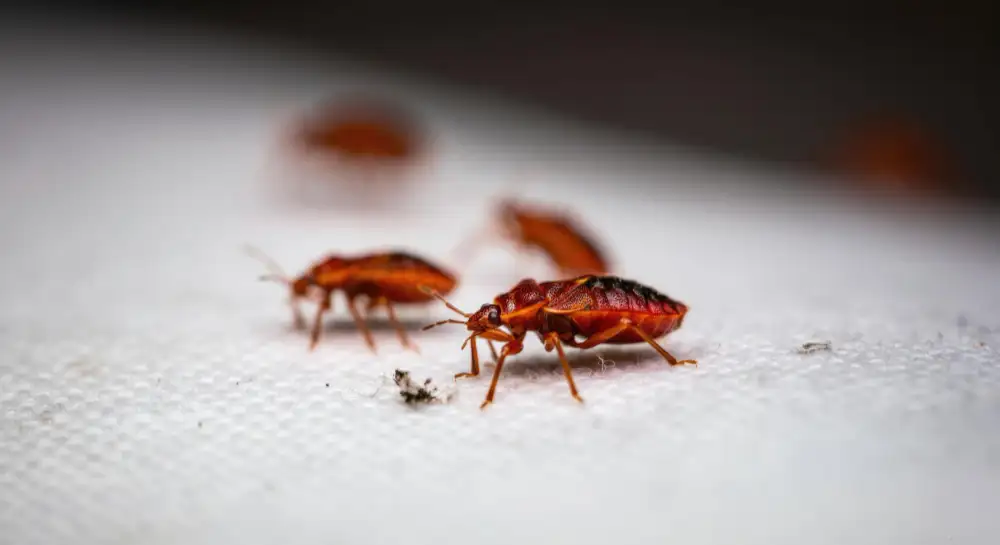
The common bed bug, cimex lectularius, is a flat, wingless parasitic insect that feeds primarily on blood. Humans are its preferred hosts, although bed bugs can also feed on other warmblooded animals such as dogs, cats, birds, and rodents when necessary. The CDC notes that the species commonly implicated in human bedbug infestations include Cimex lectularius and Cimex hemipterus.
Understanding what these insects look like, where they hide, how their life cycle works, and which control methods actually kill them makes an infestation considerably easier to approach. Just as importantly, learning the signs of bed bugs can help you act before a small introduction becomes one of the larger bed bug infestations that requires extensive treatment.
What Do Bed Bugs Look Like?
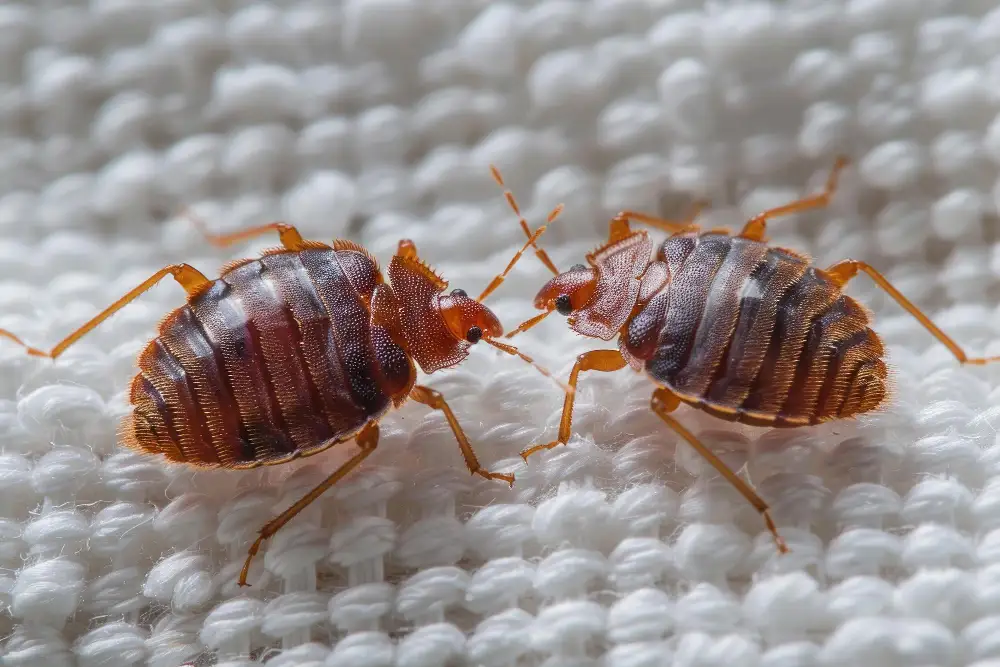
If you want to identify bed bugs, begin with their size and body shape. Adult bed bugs are approximately 5–7 millimeters long, flat and oval when unfed, and typically reddish-brown; after taking a blood meal, their bodies become more elongated and swollen. The EPA commonly describes an adult as being about the size of an apple seed rather than the size of a large insect, which is why the familiar apple seed comparison appears in identification guides.



Young bed bugs, called nymphs, resemble smaller and paler versions of the adults. Newly hatched nymphs can be extremely difficult to see because they are tiny and light-colored, while eggs are approximately the size of a pinhead and pearl-white. A room can therefore contain bugs and eggs that are much harder to notice than the dark adult insects people expect to find.
Bed bugs do not fly and do not jump like fleas. They crawl and can move quickly across floors, walls, furniture, and other surfaces when searching for shelter or a host. They are sometimes mistaken for carpet beetles, small cockroaches, ticks, or related insects such as bat bugs, making professional confirmation useful before someone spends hundreds or thousands of euros or dollars treating the wrong pest.

Where Do Bed Bugs Hide?
Bed bugs are adapted to remain close to the places where hosts stay still long enough for feeding. Bedrooms are therefore the classic location, although infestations can occur in sofas, chairs, dormitories, hotels, shelters, healthcare environments, buses, trains, and many other places. CDC guidance notes that infestations often develop around beds and sleeping areas, with insects hiding in cracks, furniture, headboards, and other sheltered locations during the day.
When checking a bedroom, concentrate on mattress seams, tufts, labels, bed frames, headboards, box springs, and the space where the mattress and box spring meet surrounding structures. Bed bugs can also hide inside mattresses box springs, behind baseboards, under loose wallpaper, inside furniture joints, and within small cracks and crevices where their flat bodies fit surprisingly well. A heavy infestation may gradually spread farther from the original sleeping location.
Do not ignore upholstered furniture, particularly sofas or chairs where people sleep or spend long periods sitting. Bed bugs can establish themselves near any predictable source of blood, not only conventional beds. This helps explain how they can infest dwellings even when bedrooms initially appear unaffected.
What Are the Main Signs of Bed Bugs?
One of the most useful rules is to look for signs in the environment rather than attempting to diagnose an infestation from bites alone. Physical evidence can include live insects, eggs, empty eggshells, pale shed skins, reddish blood stains, and fecal spots created by bed bug excrement. Dark brown or black dark spots around seams, crevices, bed frames, or furniture are therefore worth investigating.

If you check for bedbugs in a hotel or home, use a bright flashlight and inspect slowly rather than simply glancing at the top of the mattress. Pull back sheets and examine mattress piping and seams, then look around the bed frame and headboard where possible. Rooms suspected of infestation should be thoroughly inspected because missing one harboring area can allow surviving bugs to repopulate after treatment.
Professional bed bug detection may involve visual inspection, interceptors placed beneath furniture legs, monitors, and—in some situations—trained detection dogs. No single bite pattern can confirm an infestation because many common skin reactions can look similar. Finding or professionally identifying the actual insect remains much stronger evidence.
Why Do Bed Bugs Bite?
Bed bugs are blood-feeding insects. The bugs feed by piercing the skin with specialized mouthparts and withdrawing blood, typically when a host is asleep or resting. A feeding session commonly lasts several minutes, after which the insect returns to a protected hiding place.
The common bed bug primarily feeds on human blood when people are available, although it can feed on other mammals and birds. Bed bugs require blood at several stages of development, and nymphs need a blood meal before progressing through each molt. Adult females also need periodic feeding to support egg production.
People often do not notice the moment bed bugs bite because the insect introduces saliva containing compounds that reduce immediate sensation and prevent blood from clotting normally during feeding. A bedbug bite may not become visible until hours or even several days later. The CDC notes that delayed reactions can make bites an unreliable way of determining exactly when or where exposure occurred.
What Do Bed Bug Bites Look Like?
A bite usually appears as an itchy, slightly swollen area, although different people react very differently. Some develop clusters or lines of itchy welts, while others show only small marks and some people show almost no visible reaction at all. The CDC emphasizes that bed bug bites can resemble mosquito or flea bites, which is why appearance alone is not diagnostic.
Descriptions based entirely on redness can also be misleading across different skin tones. On lighter skin, inflammation may appear pink or red, while on darker skin the color change may be subtler, darker, purplish, or less obvious even when swelling and itching are present. Looking for raised lesions, clustering, swelling, and itchy skin may therefore be more useful than expecting one exact shade.
Bed bug bites can also resemble other skin conditions, allergic reactions, flea bites, mosquito bites, eczema, contact dermatitis, or even plant-related rashes such as poison ivy. If a rash is unusual, widespread, infected, painful, or difficult to identify, medical assessment may be appropriate. Dermatologic appearance by itself cannot reliably prove that bed bugs are responsible.



Can Bed Bug Bites Cause Skin Infections?
Bed bugs themselves are not known to transmit disease to people, which is an important distinction from mosquitoes, ticks, and certain other blood-feeding arthropods. The main health problems involve itching, sleep disruption, anxiety, allergic reactions, and secondary problems caused by scratching.
Intense skin irritation can lead people to scratch repeatedly until the protective skin barrier breaks. These open areas can then develop secondary skin infections, particularly from bacteria introduced through damaged skin. CDC clinical guidance recommends minimizing scratching and maintaining good hygiene, with medical treatment sometimes needed when a secondary infection develops.
Most uncomplicated bites need only symptom relief rather than specialized medical treatment. Severe swelling, extensive reactions, breathing difficulty, signs of infection, or significant allergic symptoms deserve professional evaluation. If you are uncertain whether marks are caused by bed bugs or another dermatologic condition, a healthcare professional can evaluate the skin while pest specialists investigate the environment.
The Bed Bug Life Cycle
Understanding the life cycle explains why one treatment rarely solves everything. Female bed bugs can deposit roughly one to several eggs per day, with CDC material describing about five eggs daily during adult life under appropriate conditions. Eggs hatch into first-stage nymphs, which then pass through five immature stages before becoming adults.
Each nymphal stage requires a blood meal before molting to the next stage. Under favorable temperatures and with regular host access, development can happen relatively quickly, allowing bed bug populations to increase substantially when early introductions go unnoticed. Female insects can produce hundreds of eggs across their lives under favorable conditions.
Their survival ability makes control more difficult. Nymphs and adults can remain alive for months without feeding, particularly when environmental conditions slow their metabolism. This resilience is one reason simply leaving a room empty for a few weeks is not a reliable strategy for getting rid of bedbugs.
How Do Bed Bugs Get Into a Home?
Bed bugs are excellent hitchhikers. They travel inside luggage, backpacks, clothing, folded linens, used furniture, and other personal belongings, meaning bringing bed bugs home can happen without seeing a single insect during a trip. Cleanliness does not protect a hotel or home from introduction because the insects are attracted to available hosts rather than dirt.
Travel is one of the best-known routes, but it is not the only one. Used furniture, shared laundry environments, apartment buildings, dormitories, offices, moving vehicles, and public transport can all provide opportunities for insects to move with people’s belongings. The national pest management association has published specific protocols for transportation because trains, buses, taxis, and other shared vehicles can occasionally experience introductions or infestations.
Bed bugs are sometimes loosely grouped in conversations about invasive species, but that term is not the most useful way to understand modern household infestations. The common bed bug has lived alongside humans for centuries and now occurs widely around the world. Modern resurgences are associated with factors such as increased travel, pesticide resistance, and ineffective control practices rather than a simple new biological invasion.
How to Prevent Bed Bugs While Traveling
You cannot reduce the risk to zero, but simple habits can help prevent bed bugs from traveling home with you. On arrival at a hotel or rental property, inspect the sleeping area before unpacking fully, paying particular attention to mattress seams, the box spring, headboard, nearby upholstered furniture, and suspicious stains. Recent 2026 guidance from the National Pest Management Association similarly recommends examining mattress seams and keeping luggage away from the bed.
Keep luggage on a rack or another suitable hard surface rather than placing it directly on a bed or upholstered chair. When you return home, inspect luggage and clothing before spreading travel items throughout the bedroom, particularly if you stayed somewhere where bed bugs were confirmed or suspected. Clothes that tolerate high heat can be treated in a dryer according to appropriate guidance.
If you find a suspicious insect during a trip, capture it securely if practical rather than crushing and discarding it immediately. A specimen can be invaluable for confirming identification through an extension service or pest control professional. Treating an entire home because an unidentified small brown insect looked vaguely similar to a photograph can create unnecessary expense and pesticide exposure.
What Should You Do If You Find Bed Bugs?
First, do not panic and start moving belongings from room to room. Moving an infested item through the house can spread insects or eggs into previously unaffected areas. Items that must be transported for treatment should generally be contained in sealed plastic bags or other suitable sealed containers until they can be processed.
Next, confirm the identification. If possible, collect a specimen and contact experienced pest management professionals, a cooperative extension service, or qualified pest managers. Reliable pest control companies should have specific experience with bed bug control, because these insects are considerably more difficult to eliminate than many common household pests.
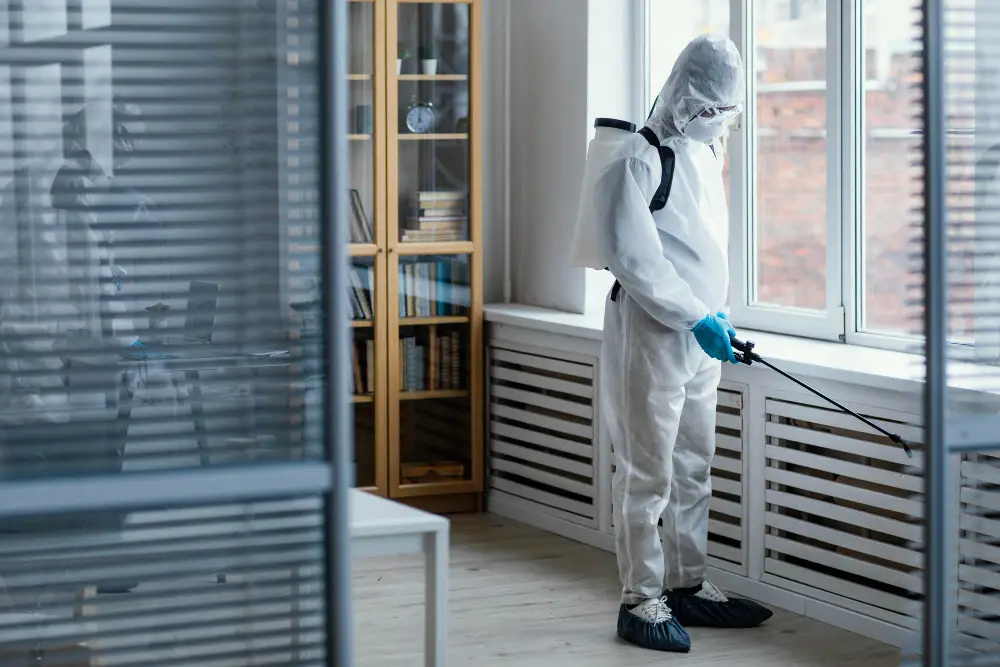
A reputable pest control professional will normally assess the extent of the infestation and recommend an integrated plan rather than promising that one quick spray will solve everything. Professional treatment may combine inspection, laundering, vacuuming, encasements, interceptors, targeted pesticides, steam, and heat treatments depending on the property. Follow-up inspections are often essential because eggs or hidden insects may survive an incomplete first treatment.
What Actually Kills Bed Bugs?
The best way to kill bed bugs is usually an integrated pest management approach rather than relying on one product. EPA guidance recommends combining chemical and nonchemical techniques according to the situation, because bed bugs can hide deeply and some bed bug populations have developed resistance to commonly used pesticides.
High heat is extremely useful when applied correctly. The EPA says clothing and bedding that tolerate heat can be placed in a dryer on high heat, while properly managed professional heat treatments can treat furniture, rooms, or entire residences. DIY attempts using ovens, fireplaces, propane heaters, or simply turning the thermostat up are dangerous and may fail to achieve lethal temperatures inside every hiding place.
Mattress and box-spring encasements can trap surviving insects and improve monitoring, while interceptor devices beneath furniture legs can help identify ongoing activity. Vacuuming, steam treatment, and carefully reducing clutter can also contribute to control bed bugs, although they may not eradicate an established infestation by themselves. Successful treatment requires persistence because there is rarely one instant solution.
What About Diatomaceous Earth and Silica Gel?
Desiccant dusts work differently from conventional nerve-targeting insecticides because they damage the protective outer layer of the insect, causing gradual dehydration. Diatomaceous earth is one example used in some bed bug programs, but the EPA specifically warns that only pesticide products registered and labeled for bed bugs should be used. Food-grade or pool-grade materials can present inappropriate inhalation risks and should not be casually scattered around bedrooms.
Some professional and consumer desiccant products also use amorphous silica gel or related silica-based materials designed specifically for pest control. The same safety principle applies: never assume that a household or industrial silica product is appropriate simply because you read that silica can desiccate insects. Check the label and use only products legally approved for the intended location and purpose.
Desiccants can be valuable because insects cannot develop resistance to their physical mode of action in the same way they can develop resistance to certain neurotoxic insecticides. However, they can work slowly and must reach appropriate hiding areas, so dust alone should not be treated as a guaranteed shortcut to being rid of bed bugs. Integrated treatment remains more reliable.
Pesticide Safety Matters
Desperation can make people try methods more dangerous than the insects themselves. EPA pesticide safety guidance warns against using rubbing alcohol, kerosene, gasoline, unregistered gases, outdoor pesticides indoors, or excessive amounts of pesticide in an attempt to kill bed bugs. Such misuse can create poisoning, fire, explosion, or respiratory hazards without eliminating the infestation.
When choosing a pesticide in the United States, look for EPA registration and confirmation that bed bugs are included on the label. Reliable pesticide information should come from the product label and regulatory sources rather than informal online recommendations. A licensed or otherwise qualified pesticide applicator may be necessary for products restricted to trained professionals.
Foggers or bug bombs should not be relied upon as a primary treatment. They often fail to penetrate the cracks and crevices where bed bugs hide, and improper use can cause fires or harmful exposure. If professional pesticide treatment is required, experienced pest management professionals should select products and strategies appropriate to the infestation and local resistance patterns.
Do Bed Bug Laws Require a Landlord to Pay?
Bed bug laws vary considerably depending on country, state, city, type of housing, and rental agreement. In the United States, the EPA reported in January 2026 that 21 states had some level of law or regulation relating to bed bugs, often focused on hotels, landlords, or property managers. Local rules can impose additional responsibilities, so internet advice from another state may not apply where you live.
If you rent and discover bed bugs, report the problem promptly in writing and preserve photographs or other evidence. Do not automatically dispose of furniture or arrange expensive treatment before checking applicable rules, because responsibility for inspection and control can vary. Landlords should also understand any reporting or response requirements that apply to their location.
If there is a dispute, consult the relevant housing authority, tenant organization, local government, or legal professional for location-specific advice. General pest guidance cannot determine who is financially responsible in every jurisdiction. What matters legally may be very different from what is recommended purely from a pest control perspective.
What Research Tells Us About Bed Bugs
Bed bugs are studied within entomology, public health, toxicology, and medical entomology because of their effects on human health and housing. They have been found carrying certain microorganisms, but the CDC states that they are not considered effective vectors of human disease. Their main medical importance involves bite reactions, itching, sleep disturbance, allergic responses, and secondary infection caused by scratching.
Resources from the university of kentucky have long been widely used for practical bed bug education. Their entomology guidance describes the insects’ feeding behavior, development, hiding habits, reproductive biology, and ability to persist for months without feeding. This combination of biology and real-world pest management knowledge is why entomological identification should come before treatment.
Professional organizations also contribute operational guidance. The National Pest Management Association publishes protocols for housing, hotels, schools, medical facilities, offices, retail environments, moving companies, and public transportation. These documents reinforce a basic point: bed bugs are manageable, but effective control depends on identification, monitoring, appropriate treatment, and follow-up rather than one miracle product.
Frequently Asked Questions
Are bed bugs caused by a dirty house?
No. Bed bugs need access to hosts and hiding places, not filth, and CDC guidance explicitly notes that the cleanliness of a hotel or home does not determine whether bed bugs are present. A spotless five-star hotel can experience an introduction just as an ordinary apartment can.
Clutter can make control more difficult because it creates additional hiding places and complicates inspection. Cleaning can therefore help with management, but cleanliness itself does not prevent someone from accidentally transporting a bed bug home. Treating an infestation as evidence of poor hygiene unnecessarily stigmatizes affected households.
Can bed bugs fly or jump?
No. Bed bugs do not have functional wings and cannot fly, and they do not jump like fleas. They move by crawling across surfaces and travel longer distances mainly by hitchhiking inside belongings.
This means they can still spread surprisingly efficiently. Luggage, clothing, furniture, backpacks, and other objects allow them to move between buildings and cities without needing to travel far under their own power.
Can you see bed bugs with the naked eye?
Yes, particularly adults, which are roughly 5–7 millimeters long. Nymphs and eggs are much harder to detect because they are smaller and paler, and newly emerged nymphs may be almost transparent when unfed.
If you find a suspicious insect, save it in a sealed container or photograph it clearly beside a size reference. Professional identification can prevent unnecessary treatment for carpet beetles, bat bugs, small cockroaches, or other look-alikes.
Are bed bug bites dangerous?
Most bites cause itching or mild inflammation rather than serious medical problems. Bed bugs are not known to spread disease, although severe allergic reactions are possible and repeated scratching can cause secondary skin infections.
Seek medical care if you develop extensive swelling, breathing difficulty, signs of infection, fever, severe pain, or another concerning reaction. A healthcare professional can also help when a persistent rash may be caused by something other than insects.
How do I know whether I have bed bugs or fleas?
Bites alone cannot reliably distinguish them. Fleas and bed bugs can both produce itchy clustered lesions, so environmental inspection is more useful than comparing photographs of rashes.
Bed bugs typically concentrate around sleeping and resting areas and leave evidence such as fecal spotting, eggs, shed skins, and live insects. Fleas have different biology and are commonly associated with pets or animal hosts, so correct identification should guide treatment.
Can bed bugs live in a sofa?
Yes. Any upholstered furniture where people regularly sit or sleep can become infested. Sofas are particularly important when someone sleeps on them or uses them for long periods.
Inspect seams, folds, under cushions, frame joints, and nearby cracks if activity is suspected. Moving an infested sofa into another room without containment can spread the problem.
Can bed bugs survive without people?
Yes, for substantial periods. CDC and university entomology resources note that they can survive for months without a blood meal, although survival varies with temperature, life stage, and other conditions.
Leaving a home temporarily therefore does not reliably starve an infestation. In some circumstances, it may simply encourage bugs to remain dormant or move in search of another host.
Should I throw away my mattress?
Not automatically. A properly treated mattress can sometimes be retained and enclosed in a bed-bug-proof encasement, depending on infestation severity and the recommendations of the pest professional. EPA guidance specifically includes mattress and box-spring encasements within integrated management strategies.
If furniture is discarded, make it unmistakably unusable so another person does not collect it and take the infestation home. Moving an untreated mattress through hallways or shared spaces without containment can also spread bugs.
How long does it take to get rid of bed bugs?
There is no universal timeline. Infestation size, building type, treatment method, insecticide resistance, preparation, access to hiding places, and follow-up all affect how long bed bug control takes. EPA guidance emphasizes that eradication requires time and patience rather than one guaranteed quick fix.
Several treatment visits may be necessary because hidden insects or newly hatched nymphs can survive an incomplete first intervention. Continue monitoring after treatment rather than assuming that the absence of bites for two nights proves elimination.
The Most Important Thing to Know About Bed Bugs
Bed bugs are unpleasant and persistent, but they are understandable pests rather than mysterious invisible parasites. The common Cimex lectularius is a small blood-feeding insect adapted to hide near places where humans sleep, and it can travel easily inside belongings before anyone realizes it is present. Early identification and rapid action make infestations much easier to manage.
If you suspect them, resist the urge to spray every surface or throw away half your belongings. Confirm the insect, inspect mattresses, box springs, furniture, and nearby hiding places, contain potentially infested belongings, and involve an experienced professional when necessary. An integrated combination of monitoring, heat, cleaning, containment, and correctly selected pesticides offers a much better path to becoming rid of bed bugs than dangerous DIY shortcuts.
Above all, remember that bed bugs do not indicate poor hygiene and are not known to transmit human diseases. Their real challenges are bites, itchy skin, lost sleep, psychological stress, and the practical difficulty of eliminating a well-established infestation. Knowing the genuine signs of bedbugs and responding with evidence-based control is far more useful than panic.