





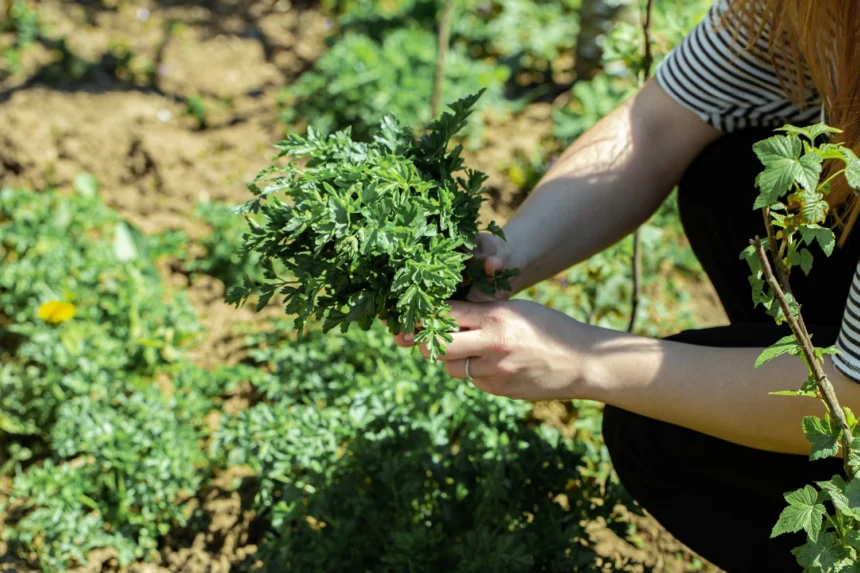
What Are Perennial Herbs?
Unlike annual herbs that complete their life cycle in a single growing season, perennial herbs continue growing for several years. Once established, they reappear each spring, saving you the time and expense of replanting every season.
- What Are Perennial Herbs?
- Why Grow Perennial Herbs?
- Rosemary
- Thyme
- Oregano
- Sage
- Chives
- Mint
- Lemon Balm
- Tarragon
- Marjoram
- Lavender
- Bay Laurel
- Winter Savory
- Best Perennial Herbs at a Glance
- Group Herbs With Similar Needs
- Growing Perennial Herbs in Containers
- Caring for Established Herbs
- Common Mistakes to Avoid
- Frequently Asked Questions
Many perennial herbs are also drought-tolerant, highly fragrant, and attractive to bees, butterflies, and other pollinators, making them a valuable addition to both herb gardens and ornamental borders. Common perennial culinary herbs include chives, oregano, mint, sage, thyme, and tarragon, while rosemary may also be perennial in warmer climates.
Why Grow Perennial Herbs?
There are plenty of reasons why perennial herbs deserve a permanent place in your garden.
Some of the biggest benefits include:
- Return every year after becoming established
- Lower maintenance than many annual herbs
- Save money on buying fresh herbs
- Provide continuous harvests during the growing season
- Attract pollinators with their flowers
- Grow well in beds, borders, and containers
Many perennial herbs also become more productive as they mature.
Rosemary
Rosemary is one of the most recognizable culinary herbs thanks to its fragrant, needle-like foliage and woody stems.
It pairs beautifully with:
- Roasted potatoes
- Chicken
- Lamb
- Bread
- Vegetables
Rosemary prefers:
- Full sun
- Excellent drainage
- Moderate watering
- Sheltered locations in colder climates
Although rosemary is naturally perennial, it may need winter protection or indoor overwintering where winters are particularly cold.
Thyme
Thyme is a compact herb that fits almost anywhere.

Its tiny aromatic leaves provide intense flavor while the plant itself requires very little attention.
Thyme thrives in:
- Rock gardens
- Raised beds
- Borders
- Containers
Once established, it’s remarkably drought tolerant and prefers slightly drier soil over constant moisture.
Oregano
Oregano is one of the easiest perennial herbs to grow.
Given plenty of sunshine, it quickly develops into a dense, fragrant plant that provides generous harvests throughout the season.
It’s perfect for:
- Pizza
- Pasta sauces
- Grilled vegetables
- Marinades
- Mediterranean cooking
Its flowers are also highly attractive to bees and butterflies. Oregano naturally grows well alongside other Mediterranean herbs such as thyme and sage.
Sage
Sage combines ornamental beauty with culinary value.


Its soft gray-green leaves remain attractive throughout much of the year, while mature plants produce spikes of purple-blue flowers that pollinators love.
Sage grows best in:
- Full sun
- Well-drained soil
- Areas with good airflow
Avoid excessive watering, particularly during cooler months.
Chives
Chives are among the easiest herbs for beginners.
Unlike woody Mediterranean herbs, chives form neat clumps that return every spring.
Their mild onion flavor makes them ideal for:
- Eggs
- Salads
- Soups
- Potatoes
- Cream cheese
In late spring, chives also produce edible purple flowers that brighten the garden while attracting beneficial insects.
Mint
Few herbs are as vigorous as mint.
Once planted, it grows enthusiastically and returns reliably year after year.
Popular varieties include:
- Spearmint
- Peppermint
- Chocolate mint
- Apple mint
Because mint spreads aggressively through underground runners, most gardeners recommend growing it in its own container rather than directly in the ground.
Lemon Balm
A member of the mint family, lemon balm produces soft leaves with a refreshing citrus scent.
It’s commonly used for:
- Herbal teas
- Fruit dishes
- Desserts
- Summer drinks
Like mint, it spreads readily and is often easier to manage in a dedicated container.
Tarragon
French tarragon is prized for its delicate flavor, making it a favorite in French cuisine.
It complements:
- Chicken
- Fish
- Eggs
- Cream sauces
- Salad dressings
Unlike many herbs, French tarragon is usually propagated from cuttings or young plants rather than seeds.
Marjoram
Often confused with oregano, marjoram has a sweeter, milder flavor.
It’s an excellent addition to:
- Soups
- Stews
- Roasted vegetables
- Poultry dishes
In mild climates, marjoram behaves as a perennial, while colder regions may require winter protection.
Lavender
Although often grown as an ornamental plant, English lavender is also a culinary herb.
Its fragrant flowers can be used in:
- Baking
- Herbal teas
- Syrups
- Desserts
Lavender thrives in hot, sunny locations with sharply drained soil and dislikes wet roots.
Bay Laurel
Bay laurel is a slow-growing evergreen shrub whose aromatic leaves are widely used in cooking.
Fresh or dried bay leaves add depth to:
- Soups
- Stews
- Sauces
- Stocks
In colder climates, bay laurel is commonly grown in large containers so it can be moved indoors during winter.
Winter Savory
Winter savory is a lesser-known perennial herb with a peppery, slightly earthy flavor.
It’s particularly good with:
- Beans
- Meat dishes
- Stuffings
- Roasted vegetables
This hardy herb forms a compact shrub and tolerates dry conditions once established.
Best Perennial Herbs at a Glance
| Herb | Sun | Water Needs | Container Friendly |
|---|---|---|---|
| Rosemary | Full sun | Low | ✅ |
| Thyme | Full sun | Low | ✅ |
| Oregano | Full sun | Low | ✅ |
| Sage | Full sun | Low | ✅ |
| Chives | Sun to partial shade | Moderate | ✅ |
| Mint | Sun to partial shade | Moderate | ✅ |
| Lemon Balm | Sun to partial shade | Moderate | ✅ |
| Tarragon | Full sun | Moderate | ✅ |
| Marjoram | Full sun | Low to moderate | ✅ |
| Lavender | Full sun | Low | ✅ |
| Bay Laurel | Full sun | Moderate | ✅ |
| Winter Savory | Full sun | Low | ✅ |
Group Herbs With Similar Needs
One of the easiest ways to keep perennial herbs healthy is to plant those with similar growing requirements together.
A Mediterranean herb bed might include:
- Rosemary
- Thyme
- Oregano
- Sage
- Lavender
- Marjoram
These herbs all enjoy:
- Plenty of sunshine
- Excellent drainage
- Moderate watering
- Leaner soil
Meanwhile, herbs such as chives, mint, and lemon balm appreciate slightly more moisture and are better grouped separately.
Growing Perennial Herbs in Containers
Containers are an excellent option, particularly if your garden has heavy soil or harsh winters.
For success:
- Choose pots with drainage holes.
- Use free-draining potting mix.
- Water according to each herb’s needs.
- Divide overcrowded herbs every few years.
- Move tender varieties indoors if necessary.
Many perennial herbs adapt extremely well to container growing and can provide fresh harvests for years with minimal maintenance.
Caring for Established Herbs
After the first growing season, most perennial herbs become surprisingly easy to maintain.
Regular care usually involves:
- Harvesting frequently
- Removing dead stems
- Light pruning after flowering
- Dividing clump-forming herbs when necessary
- Refreshing compost in containers every few years
Avoid overfeeding, as many aromatic herbs produce their best flavor when grown in relatively lean soil.
Common Mistakes to Avoid
| Mistake | Better Approach |
|---|---|
| Planting mint in open garden beds | Grow it in a separate container |
| Overwatering Mediterranean herbs | Let soil dry slightly between waterings |
| Using heavy clay soil | Improve drainage or grow in raised beds |
| Harvesting too aggressively | Never remove more than one-third of the plant at once |
| Mixing herbs with different watering needs | Group plants with similar requirements |
| Ignoring winter protection | Protect tender perennials in colder climates |
Frequently Asked Questions
Which herbs come back every year?
Common perennial herbs include rosemary, thyme, oregano, sage, chives, mint, lemon balm, tarragon, marjoram, bay laurel, and winter savory, although winter survival depends on your local climate.
Which perennial herb is easiest for beginners?
Chives, thyme, oregano, and mint are among the easiest options because they’re low-maintenance and highly reliable once established.
Can perennial herbs stay in pots?
Yes. Most perennial herbs grow exceptionally well in containers, provided they have good drainage and enough room for their roots. Container growing is especially useful for herbs like mint that spread aggressively.
Do perennial herbs need to be replanted?
No. Healthy perennial herbs continue growing for multiple years. While some may eventually benefit from dividing or light rejuvenation pruning, they don’t need to be replanted every season.