





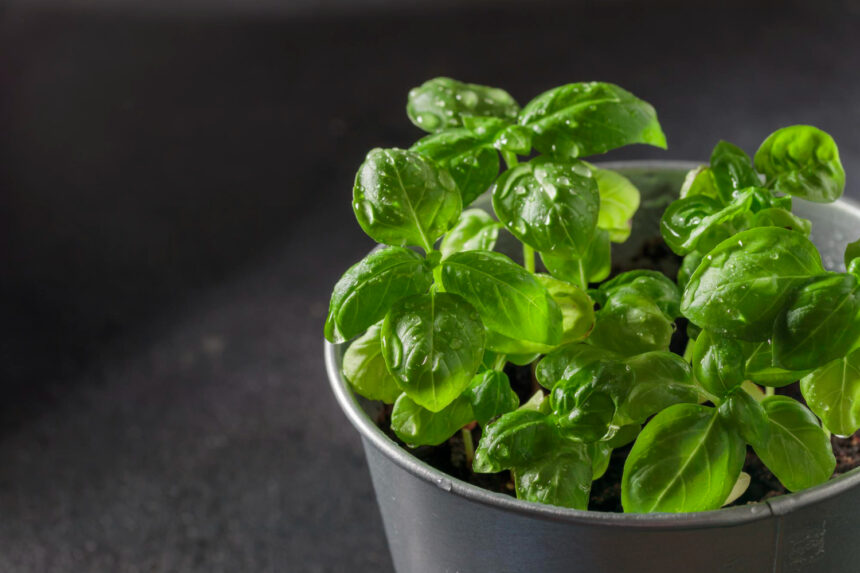
Why Basil Belongs in Every Garden
Few herbs are as versatile as basil. Its aromatic leaves add fresh flavor to pasta, salads, pizzas, sandwiches, and homemade pesto, while the plant itself is attractive enough to grow in vegetable beds, containers, windowsills, or balcony gardens.
- Why Basil Belongs in Every Garden
- Choose the Right Type of Basil
- Give Basil Plenty of Sunlight
- Plant in Rich, Well-Drained Soil
- Water Regularly Without Overdoing It
- Harvest Often for Bushier Plants
- Pinch Off Flower Buds
- Growing Basil in Containers
- Feed Lightly
- Watch Out for Common Problems
- Best Companion Plants for Basil
- Can You Grow Basil Indoors?
- Common Mistakes to Avoid
- Frequently Asked Questions
Basil is fast-growing and highly productive, making it an excellent choice for beginners. With proper care, a single healthy plant can provide fresh leaves for months.
Choose the Right Type of Basil
While sweet basil is the most common variety, there are plenty of others worth growing.
| Variety | Flavor | Best Uses |
|---|---|---|
| Sweet Basil | Classic, slightly sweet | Pesto, salads, pasta |
| Genovese Basil | Rich and aromatic | Italian cooking |
| Thai Basil | Spicy, licorice-like | Asian dishes |
| Lemon Basil | Citrusy | Seafood, salads |
| Purple Basil | Mild with colorful leaves | Garnishes and containers |
If you’re planting basil for the first time, sweet basil or Genovese basil are excellent places to start.
Give Basil Plenty of Sunlight
Basil loves warm, sunny conditions.
Aim for 6 to 8 hours of direct sunlight every day. Outdoors, choose the brightest spot in your garden, while indoor plants should be placed near a south- or west-facing window where they’ll receive plenty of natural light.
Without enough sun, basil tends to become leggy and produces fewer flavorful leaves. (rhs.org.uk)
Plant in Rich, Well-Drained Soil
Healthy soil encourages lush growth.
Basil grows best in fertile, well-draining soil enriched with organic matter.
Before planting:
- Mix compost into the soil.
- Ensure good drainage.
- Avoid areas that remain waterlogged after rain.
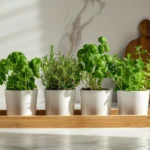
For container gardening, use a quality potting mix rather than ordinary garden soil.
Water Regularly Without Overdoing It
Basil prefers consistently moist soil, but it doesn’t like sitting in water.
A good routine is to water when the top inch of soil begins to feel dry.
Container-grown basil usually needs watering more often than plants growing in the ground, especially during hot weather.
Always water around the base of the plant and avoid soaking the leaves whenever possible. (rhs.org.uk)
Harvest Often for Bushier Plants
One of the biggest secrets to growing lots of basil is harvesting it regularly.
Rather than picking individual large leaves, trim stems just above a pair of healthy leaves.
This encourages the plant to branch out, producing fuller, bushier growth instead of becoming tall and spindly.
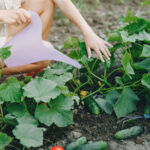
Frequent harvesting also means you’ll always have fresh basil ready for the kitchen.
Pinch Off Flower Buds
As basil matures, it naturally begins producing flower spikes.
While the flowers are attractive and beneficial to pollinators, allowing the plant to flower usually signals the end of vigorous leaf production.
Remove flower buds as soon as they appear to encourage the plant to continue producing fresh leaves for as long as possible. (gardenersworld.com)
Growing Basil in Containers
Basil is perfectly suited to container gardening.
Choose a pot that:
- Has drainage holes
- Is at least 8–10 inches (20–25 cm) wide
- Uses fresh, well-draining potting mix
Place the container somewhere sunny and rotate it occasionally if it’s growing indoors so all sides receive even light.
Feed Lightly
Basil doesn’t require heavy fertilizing.
If planted in compost-rich soil, it often grows well with little additional feeding.
For plants in containers, a diluted balanced liquid fertilizer every few weeks during the growing season can help maintain healthy growth without encouraging overly soft foliage. (rhs.org.uk)
Watch Out for Common Problems
Although basil is generally easy to grow, a few issues can appear if conditions aren’t ideal.
| Problem | Possible Cause |
|---|---|
| Yellow leaves | Overwatering or poor drainage |
| Wilted plant | Underwatering or root problems |
| Leggy growth | Insufficient sunlight |
| Black stems | Cold damage or fungal disease |
| Small leaves | Lack of nutrients or overcrowding |
Checking your plants regularly makes it easier to catch problems before they become serious.
Best Companion Plants for Basil
Basil grows well alongside many vegetables and herbs.
Popular companions include:
- Tomatoes
- Peppers
- Lettuce
- Parsley
- Oregano
Many gardeners also enjoy planting basil near tomatoes because the two crops have similar growing requirements and make excellent culinary partners.
Can You Grow Basil Indoors?
Absolutely.
Basil grows well indoors provided it receives enough light and warmth.
For healthy indoor plants:
- Place them near a bright window.
- Keep temperatures above 60°F (16°C).
- Avoid cold drafts.
- Water when the soil begins to dry.
- Harvest regularly to encourage fresh growth.
If natural light is limited, a grow light can help keep basil productive throughout the year.
Common Mistakes to Avoid
| Mistake | Better Approach |
|---|---|
| Letting plants flower | Pinch off flower buds early |
| Growing in shade | Provide at least 6 hours of direct sun |
| Overwatering | Keep soil moist, not soggy |
| Harvesting only large leaves | Trim entire stems above leaf pairs |
| Using pots without drainage | Always choose containers with drainage holes |
| Planting outdoors too early | Wait until warm weather arrives |
Frequently Asked Questions
How long does basil live?
Basil is usually grown as an annual, completing its life cycle in one growing season. However, with regular harvesting and protection from cold weather, plants can remain productive for several months.
Can basil grow indoors all year?
Yes. As long as it receives enough light, warmth, and proper care, basil can be grown indoors throughout the year. Supplemental grow lights are often helpful during winter months. (rhs.org.uk)
Why is my basil flowering?
Flowering is a natural part of the plant’s life cycle. Pinching off flower buds encourages basil to continue producing leaves instead of putting energy into seeds.
How often should I harvest basil?
You can begin harvesting once the plant has several sets of leaves. Frequent, light harvesting encourages bushier growth and provides a continuous supply of fresh leaves throughout the season.