





Every Garden Faces Challenges
Even experienced gardeners run into problems from time to time. Yellow leaves, slow growth, insect damage, or vegetables that simply refuse to produce can all be frustrating, especially if you’ve invested weeks or months caring for your plants.
- Every Garden Faces Challenges
- Yellow Leaves
- Plants Growing Slowly
- Flowers but No Vegetables
- Leaves Full of Holes
- Wilting Plants
- Cracked Vegetables
- Powdery White Coating on Leaves
- Rotting Vegetables
- Blossom End Rot
- Poor Harvests
- Weed Competition
- Pest Infestations
- Nutrient Deficiencies
- Common Problems at a Glance
- How to Prevent Problems Before They Start
- Frequently Asked Questions
The good news is that most issues have straightforward causes. Learning to identify early warning signs can help you take action before small problems become major setbacks.
Yellow Leaves
Yellowing leaves are one of the most common issues in a vegetable garden.
Possible causes include:
- Overwatering
- Underwatering
- Nitrogen deficiency
- Poor drainage
- Natural aging of older leaves
Start by checking the soil. If it’s constantly wet, reduce watering and improve drainage. If it’s bone dry several inches below the surface, water deeply and more consistently. If watering isn’t the issue, your plants may benefit from additional nutrients. (rhs.org.uk)
Plants Growing Slowly
If your vegetables seem stuck and aren’t putting on much growth, several factors could be responsible.
Common reasons include:
- Cool weather
- Poor soil
- Insufficient sunlight
- Root damage
- Lack of nutrients
Most vegetables need at least 6 to 8 hours of direct sunlight each day. Plants growing in too much shade often remain small and produce fewer vegetables.
Flowers but No Vegetables
Seeing plenty of flowers without any fruit can be disappointing.
This problem is especially common with:
- Tomatoes
- Peppers
- Cucumbers
- Squash
- Pumpkins
Possible causes include:
- Poor pollination
- High temperatures
- Excess nitrogen fertilizer
- Inconsistent watering
Planting pollinator-friendly flowers nearby can encourage bees and improve pollination for many crops. (extension.umn.edu)
Leaves Full of Holes
Chewed leaves usually point to unwanted visitors.
Some of the most common culprits include:
- Caterpillars
- Slugs
- Snails
- Beetles
- Grasshoppers
Inspect plants regularly, especially early in the morning or after sunset, when many pests are most active.
Wilting Plants
Wilting doesn’t always mean a plant needs water.
Possible causes include:
| Problem | What to Check |
|---|---|
| Underwatering | Dry soil several inches below the surface |
| Overwatering | Soggy soil and poor drainage |
| Root diseases | Soft stems or blackened roots |
| Heat stress | Temporary afternoon wilting that improves by evening |
Always check the soil before reaching for the watering can.
Cracked Vegetables
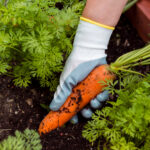
Tomatoes, carrots, radishes, and other vegetables sometimes split as they mature.
This usually happens after a period of dry weather followed by heavy watering or rainfall.
Keeping soil moisture as consistent as possible greatly reduces cracking. Applying mulch can also help stabilize moisture levels. (rhs.org.uk)
Powdery White Coating on Leaves
A white, dusty coating often indicates powdery mildew, a fungal disease that affects many vegetables.
It’s particularly common on:
- Cucumbers
- Squash
- Pumpkins
- Zucchini
Good air circulation, proper spacing, and watering at the base of plants rather than over the leaves all help reduce the risk.
Rotting Vegetables
If fruits begin rotting before they’re ready to harvest, possible causes include:
- Poor air circulation
- Excess moisture
- Fungal diseases
- Fruits resting directly on wet soil
Supporting climbing crops and using straw or mulch beneath sprawling plants can help keep fruit clean and dry.
Blossom End Rot
Blossom end rot appears as a dark, sunken patch on the bottom of fruits, especially tomatoes and peppers.
Despite appearances, it’s usually not caused by a disease.
Instead, it’s commonly linked to inconsistent watering, which affects the plant’s ability to absorb calcium from the soil.
Maintaining even soil moisture is the best prevention. (rhs.org.uk)
Poor Harvests
Sometimes plants look healthy but produce very little.
Possible reasons include:
- Too much shade
- Poor pollination
- Lack of nutrients
- Overcrowding
- Incorrect planting time
Different vegetables also have different growing seasons, so patience is sometimes part of the process.
Weed Competition
Weeds don’t just make the garden look untidy.
They compete with vegetables for:
- Water
- Nutrients
- Sunlight
- Growing space
Removing weeds regularly while they’re still small makes the job much easier than waiting until they’ve become established.
Pest Infestations
Vegetable gardens attract a wide variety of insects.
Some of the most common include:
| Pest | Common Targets |
|---|---|
| Aphids | Beans, peppers, tomatoes |
| Slugs | Lettuce, hostas, seedlings |
| Cabbage caterpillars | Cabbage, broccoli, kale |
| Whiteflies | Tomatoes, cucumbers |
| Spider mites | Beans, cucumbers, peppers |
Regular inspections often catch pest problems before they become severe.
Nutrient Deficiencies
Plants need more than just water.
Deficiencies can show up as:
- Pale leaves
- Purple stems
- Weak growth
- Poor flowering
- Small vegetables
Adding compost each season improves soil structure while providing a steady supply of nutrients. If problems persist, a soil test can help identify specific deficiencies instead of relying on guesswork. (extension.psu.edu)
Common Problems at a Glance
| Problem | Most Likely Cause | Possible Solution |
|---|---|---|
| Yellow leaves | Watering issues or nutrient deficiency | Adjust watering and improve soil fertility |
| Slow growth | Poor soil or insufficient sunlight | Add compost and increase sun exposure if possible |
| Flowers but no fruit | Poor pollination | Encourage pollinators and avoid excess nitrogen |
| Holes in leaves | Insect pests | Inspect plants and control pests early |
| Wilting | Water stress or root problems | Check soil moisture before watering |
| Cracked vegetables | Inconsistent watering | Keep soil evenly moist |
| Powdery mildew | Fungal disease | Improve airflow and avoid wetting leaves |
| Blossom end rot | Irregular watering | Water consistently and mulch the soil |
| Small harvest | Shade, crowding, or poor nutrition | Improve growing conditions and spacing |
How to Prevent Problems Before They Start
A healthy garden is far less likely to experience serious issues.
These simple habits make a big difference:
- Grow vegetables in the right season.
- Improve soil with compost every year.
- Water deeply rather than lightly and frequently.
- Space plants according to recommendations.
- Rotate crops each season when possible.
- Inspect plants every few days for signs of pests or disease.
- Remove damaged leaves and diseased plants promptly.
Most gardening problems are much easier to manage when they’re spotted early rather than after they’ve spread.
Frequently Asked Questions
Why are my vegetables growing but not producing much?
Insufficient sunlight, poor pollination, overcrowding, or excessive nitrogen fertilizer are among the most common reasons healthy-looking plants produce few vegetables.
How can I tell if I’m overwatering my garden?
Constantly wet soil, yellow leaves, slow growth, and wilting despite damp conditions are all common signs of overwatering. Allow the top layer of soil to dry slightly before watering again, depending on the crop.
What’s the best way to stop pests naturally?
Regular inspections, encouraging beneficial insects, removing pests by hand when practical, and keeping plants healthy are all effective ways to reduce pest problems without relying heavily on chemical treatments.
Is compost enough to keep vegetables healthy?
For many gardens, regular additions of compost provide excellent long-term soil improvement. Heavy-feeding crops such as tomatoes, squash, and corn may also benefit from supplemental fertilizer during the growing season, depending on soil fertility.