





Why Hydrangeas Are So Popular
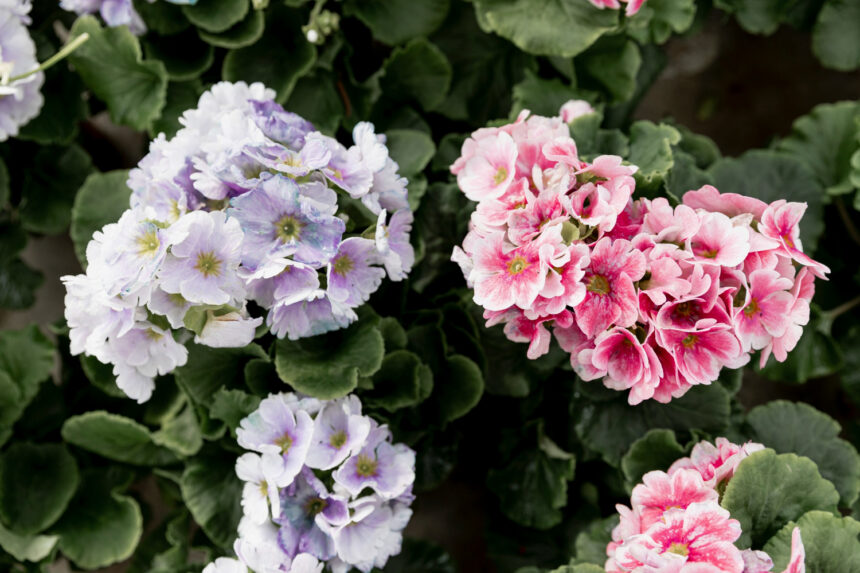
Hydrangeas are prized for their large, long-lasting flower heads and their ability to brighten gardens from early summer through autumn. Available in shades of blue, pink, purple, white, and even green, these versatile shrubs suit everything from cottage gardens to modern landscapes.
- Why Hydrangeas Are So Popular
- Choose the Right Hydrangea Variety
- Find the Perfect Planting Location
- Plant in Moist, Well-Draining Soil
- Water Consistently
- Mulch Around the Base
- Feed Hydrangeas During the Growing Season
- Can You Change Hydrangea Flower Color?
- Prune the Right Way
- Don’t Rush to Remove Old Flower Heads
- Watch for Common Problems
- Growing Hydrangeas in Containers
- Common Mistakes to Avoid
- Frequently Asked Questions
Although they’re often considered low-maintenance, hydrangeas perform best when they’re planted in the right location and cared for according to their specific variety. One of the biggest mistakes beginners make is treating every hydrangea the same, even though different species have different pruning and sunlight requirements.
Choose the Right Hydrangea Variety
Not all hydrangeas grow or flower in the same way.
| Variety | Flower Shape | Best Growing Conditions |
|---|---|---|
| Bigleaf (Hydrangea macrophylla) | Large round or lacecap blooms | Morning sun, afternoon shade |
| Panicle (Hydrangea paniculata) | Cone-shaped flowers | More sun tolerant |
| Smooth (Hydrangea arborescens) | Large rounded blooms | Partial sun to full sun |
| Oakleaf (Hydrangea quercifolia) | Cone-shaped blooms with oak-like leaves | Partial shade |
| Climbing Hydrangea | Flat flower clusters | Walls, fences and trellises |
If you’re new to gardening, panicle hydrangeas are often recommended because they’re hardy, reliable, and generally more forgiving than other varieties.

Find the Perfect Planting Location
Hydrangeas enjoy bright conditions but don’t always appreciate intense afternoon heat.
For most varieties, the ideal location provides:
- Morning sunlight
- Afternoon shade
- Protection from strong winds
- Good air circulation
- Moist but well-drained soil
In cooler climates, hydrangeas can tolerate more direct sunlight, while in hotter regions they benefit from protection during the warmest part of the day.
Plant in Moist, Well-Draining Soil
Hydrangeas like consistently moist soil, but they dislike sitting in water.
Before planting, improve the soil by mixing in:
- Compost
- Well-rotted organic matter
- Leaf mold
These materials improve drainage while helping the soil retain enough moisture during dry weather.
Water Consistently
Unlike drought-tolerant plants such as lavender, hydrangeas require regular watering to produce their famous blooms.
| Plant Stage | Watering Recommendation |
|---|---|
| Newly planted | Water regularly until established |
| Established shrubs | Deep watering during dry weather |
| Container hydrangeas | Water whenever the top inch of soil begins to dry |
Deep watering encourages roots to grow downward, creating healthier and more resilient plants.
Mulch Around the Base
Applying mulch offers several important benefits.
Organic mulch helps:
- Retain soil moisture
- Keep roots cool
- Suppress weeds
- Improve soil over time
Apply a 2–3 inch layer around the base of the plant, leaving a small gap around the stems to prevent excess moisture from building up.
Feed Hydrangeas During the Growing Season
Hydrangeas benefit from regular feeding, especially when producing large flower heads.
A balanced slow-release fertilizer applied in spring is suitable for most varieties.
Container-grown hydrangeas usually require more frequent feeding because nutrients are washed out of the potting mix more quickly.



Avoid applying excessive nitrogen, as this can encourage lush leafy growth while reducing flowering.
Can You Change Hydrangea Flower Color?
One of the most fascinating features of certain hydrangeas is their ability to change flower color.
This only applies to many bigleaf hydrangeas.
| Soil pH | Flower Color |
|---|---|
| Acidic Soil | Blue |
| Neutral Soil | Purple |
| Alkaline Soil | Pink |
White hydrangeas generally remain white regardless of soil conditions.
Changing flower color takes time and depends on both soil pH and the availability of aluminum in the soil.
Prune the Right Way
Pruning mistakes are one of the biggest reasons hydrangeas fail to bloom.
Different varieties flower on different types of wood.
| Hydrangea Type | When to Prune |
|---|---|
| Bigleaf | Light pruning in spring after winter |
| Oakleaf | Minimal pruning after flowering if needed |
| Panicle | Late winter or early spring |
| Smooth | Late winter or early spring |
| Climbing | After flowering |
Many bigleaf hydrangeas produce flower buds on old wood, meaning heavy pruning at the wrong time can remove next year’s flowers. Panicle and smooth hydrangeas bloom on new wood and are much more forgiving.
Don’t Rush to Remove Old Flower Heads
Many gardeners immediately cut off faded blooms in autumn.
However, leaving old flower heads in place through winter can actually help protect developing buds from frost damage while also adding visual interest to the garden.
For many varieties, it’s better to remove old blooms in spring rather than immediately after flowering.
Watch for Common Problems
Hydrangeas are generally reliable, but a few issues can appear if growing conditions aren’t ideal.
| Problem | Possible Cause |
|---|---|
| Drooping leaves | Heat stress or underwatering |
| Yellow leaves | Overwatering or poor drainage |
| Brown leaf edges | Too much direct afternoon sun |
| No flowers | Incorrect pruning or insufficient sunlight |
| Powdery mildew | Poor air circulation |
| Root rot | Waterlogged soil |
Most problems can be prevented by planting hydrangeas in the right location and avoiding overly wet soil.
Growing Hydrangeas in Containers
Many compact varieties grow beautifully in pots.
For best results:
- Choose a large container with drainage holes.
- Use high-quality potting mix.
- Water more frequently than garden plants.
- Feed regularly during spring and summer.
- Repot every few years if roots become crowded.
Container-grown hydrangeas are easier to move into shade during extreme heat, making them an excellent option for patios and balconies.
Common Mistakes to Avoid
| Mistake | Better Approach |
|---|---|
| Planting in deep shade | Choose a bright location with morning sun |
| Allowing soil to dry out completely | Keep soil consistently moist |
| Overwatering poorly drained soil | Improve drainage before planting |
| Heavy pruning every year | Prune according to your hydrangea variety |
| Removing flower buds accidentally | Learn whether your shrub blooms on old or new wood |
| Planting too close to other shrubs | Leave enough room for mature growth |
Frequently Asked Questions
How much sunlight do hydrangeas need?
Most hydrangeas perform best with morning sun and afternoon shade, although panicle hydrangeas tolerate more direct sunlight than many other varieties.
Why isn’t my hydrangea flowering?
The most common reasons include incorrect pruning, insufficient sunlight, late frost damage, or excessive nitrogen fertilizer. Young plants may also take a season or two to become fully established before producing abundant blooms.
Should I cut off dead hydrangea flowers?
Not always. Many gardeners leave spent flower heads on the plant throughout winter and remove them in spring to help protect developing buds from frost.
Do hydrangeas come back every year?
Yes. Hydrangeas are perennial shrubs that return each growing season when properly cared for and suited to your local climate.