





Why Soil Preparation Is So Important
Many beginner gardeners focus on buying healthy plants or high-quality seeds, but the real secret to a thriving garden starts below the surface. No matter how much you water or fertilize, plants will struggle if they’re growing in poor soil.
- Why Soil Preparation Is So Important
- Know Your Soil Type
- Test Your Soil Before You Plant
- Clear the Planting Area
- Loosen the Soil
- Add Organic Matter
- Compost vs. Fertilizer
- Improve Drainage If Necessary
- Break Up Large Clumps
- Remove Stones and Debris
- Level the Soil
- Should You Till the Soil?
- Soil Preparation for Raised Beds
- Preparing Soil for Vegetables
- Preparing Soil for Flowers
- Common Soil Preparation Mistakes
- Signs Your Soil Is Ready for Planting
Healthy soil provides the nutrients, oxygen, moisture, and support that roots need to develop properly. It also encourages beneficial microorganisms and earthworms that naturally improve soil structure over time. According to gardening experts, preparing your soil before planting is one of the most important steps for long-term gardening success.
Know Your Soil Type
Before adding compost or fertilizers, it’s helpful to understand what type of soil you’re working with. Different soils behave differently when it comes to drainage, nutrient retention, and root development.
| Soil Type | Advantages | Challenges |
|---|---|---|
| Sandy Soil | Excellent drainage, warms quickly | Dries out fast, low nutrient retention |
| Clay Soil | Rich in nutrients, holds moisture | Poor drainage, compacts easily |
| Silty Soil | Fertile and moisture-retentive | Can become compacted over time |
| Loam Soil | Excellent balance of drainage and fertility | Considered ideal for most plants |
Loam is widely regarded as the best all-purpose garden soil because it combines the strengths of sand, silt, and clay while providing excellent drainage and nutrient availability.

Test Your Soil Before You Plant
One of the smartest things you can do before planting is test your soil.
A basic soil test can reveal:
- Soil pH
- Nutrient levels
- Organic matter content
- Areas that need improvement
Most vegetables, flowers, and herbs grow best in soil with a pH between 6.0 and 7.0, although some plants prefer slightly more acidic or alkaline conditions. Testing first helps you avoid adding unnecessary fertilizers or soil amendments.
Clear the Planting Area
Before improving the soil, remove anything that could interfere with healthy plant growth.
This includes:
- Weeds
- Grass
- Rocks
- Sticks
- Old roots
- Plant debris
Weeds compete with young plants for water, nutrients, and sunlight, so removing them before planting gives your garden the best possible start. Gardeners are also encouraged to remove as much of the root system as possible to reduce regrowth.
Loosen the Soil
Compacted soil makes it difficult for roots to grow and prevents water and oxygen from reaching the root zone.
Use a garden fork or spade to loosen the top 8 to 12 inches of soil. The goal isn’t necessarily to turn the soil over completely but to create a loose, well-aerated planting bed.
If you’re working with an established garden, minimal cultivation is often enough. Overworking the soil can damage its natural structure and reduce beneficial microbial activity.
Add Organic Matter
If there’s one thing nearly every garden benefits from, it’s organic matter.
Adding compost, well-rotted manure, or leaf mold improves:
- Soil fertility
- Moisture retention
- Drainage
- Soil structure
- Microbial activity
A common recommendation is to incorporate a generous layer of compost into the top layer of soil before planting. Organic matter feeds both your plants and the beneficial organisms living in the soil.
Compost vs. Fertilizer
Many beginners assume compost and fertilizer are the same thing, but they serve different purposes.
| Compost | Fertilizer |
|---|---|
| Improves soil structure | Supplies nutrients |
| Increases microbial activity | Encourages plant growth |
| Enhances moisture retention | Works more quickly |
| Long-term soil improvement | Short-term nutrient boost |
Think of compost as improving the soil itself, while fertilizer feeds the plants growing in it.
Improve Drainage If Necessary
Standing water is one of the quickest ways to damage plant roots.
If your soil remains soggy after rainfall, consider improving drainage by:
- Adding compost
- Incorporating coarse organic matter
- Creating raised beds
- Adjusting the planting area to improve water flow
Healthy soil should hold moisture without becoming waterlogged.
Break Up Large Clumps
After loosening the soil, you’ll probably notice clumps of different sizes.
Use a rake to break up larger lumps and create a fine, level planting surface. A smoother seedbed allows better seed-to-soil contact, leading to more even germination and healthier seedlings.
Remove Stones and Debris
While preparing the soil, remove:
- Large rocks
- Thick roots
- Broken branches
- Construction debris
These obstacles can interfere with root development and make planting much more difficult later on.
Level the Soil
A level planting surface offers several advantages:
- Even watering
- Better drainage
- Easier planting
- Improved seed germination
Use a garden rake to smooth the soil after all amendments have been incorporated.
Should You Till the Soil?
Tilling remains one of the most debated gardening topics.
Advantages of Tilling
- Breaks up compacted soil
- Incorporates compost
- Creates an even seedbed
- Improves initial aeration
Potential Drawbacks
- Disturbs beneficial soil organisms
- Brings weed seeds to the surface
- Can damage soil structure if done excessively
- Increases erosion risk
Many modern gardeners now prefer low-till or no-till methods for established beds, while traditional tilling is often useful when preparing new garden areas or incorporating large amounts of organic matter.
Soil Preparation for Raised Beds
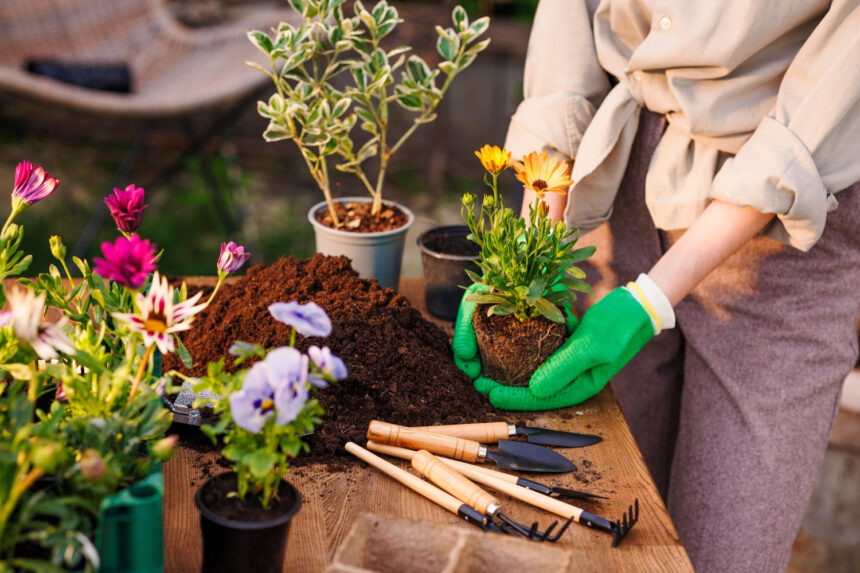
Raised beds are slightly different because you control the soil from the beginning.
A typical raised bed mix includes:
| Ingredient | Approximate Ratio |
|---|---|
| Topsoil | 50% |
| Compost | 30% |
| Organic matter | 20% |
This combination provides excellent drainage while supplying nutrients for healthy root growth.
Preparing Soil for Vegetables
Vegetables are heavy feeders, so they appreciate nutrient-rich soil.
Before planting:
- Add compost
- Check drainage
- Remove weeds
- Loosen compacted soil
- Rake the surface smooth
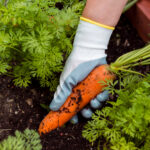
Root vegetables such as carrots and parsnips especially benefit from loose, stone-free soil because it allows roots to grow straight and evenly.
Preparing Soil for Flowers
Flower beds often require slightly less intensive preparation than vegetable gardens, but healthy soil still makes a noticeable difference.
Adding compost each year improves:
- Flower production
- Plant longevity
- Root development
- Soil moisture retention
Many flowering plants also benefit from a layer of mulch after planting to help conserve moisture and suppress weeds.
Common Soil Preparation Mistakes
Avoid these frequent beginner mistakes:
| Mistake | Better Approach |
|---|---|
| Planting immediately into poor soil | Improve soil first |
| Working soil while it’s soaking wet | Wait until it’s moist |
| Forgetting to remove weeds | Clear the area completely |
| Adding too much fertilizer | Test soil first |
| Ignoring drainage | Improve drainage before planting |
| Over-tilling established beds | Disturb soil only as much as necessary |
Signs Your Soil Is Ready for Planting
Healthy planting soil should:
- Feel loose and crumbly
- Drain well without becoming soggy
- Contain plenty of organic matter
- Be free from weeds and large stones
- Hold moisture without staying waterlogged
- Have a level planting surface
If your soil meets these conditions, it’s ready to support healthy plant growth.
Preparing your soil is one of the most valuable investments you can make in your garden. While it takes a little extra effort before planting, the rewards are well worth it. Healthy soil encourages stronger roots, better drainage, improved nutrient availability, and healthier plants throughout the growing season.
Whether you’re growing vegetables, herbs, flowers, or shrubs, remember that every successful garden begins with healthy soil. Spend time building that foundation, and your plants will reward you with stronger growth, more blooms, and bigger harvests for years to come.