





Why Choosing the Right Plants Matters
One of the fastest ways to fall in love with gardening is by choosing plants that are easy to grow. While some species require constant attention, regular feeding, and precise growing conditions, many plants are naturally resilient and can thrive with minimal care.
For first-time gardeners, success often comes down to selecting varieties that are well-suited to your local climate and growing conditions. Starting with reliable plants helps you learn essential gardening skills without becoming overwhelmed. Gardening experts consistently recommend focusing on low-maintenance varieties before moving on to more demanding plants.
Easy Vegetables to Grow
Growing your own vegetables is one of the most rewarding parts of gardening, and several crops are especially beginner-friendly.
Tomatoes are often considered the perfect starter vegetable. They grow well in garden beds, raised beds, and containers, producing an abundant harvest throughout the season with regular watering and plenty of sunlight.
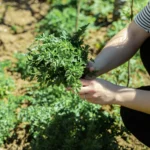
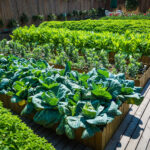
Lettuce is another excellent choice because it grows quickly and can be harvested multiple times. Many varieties mature within just a few weeks, making them ideal for impatient beginners.
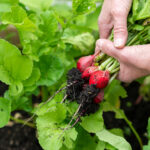
Radishes are among the fastest-growing vegetables available. In many climates, they’re ready to harvest in less than a month, providing an easy confidence boost for new gardeners.
Bush beans are equally forgiving, producing generous harvests while requiring very little maintenance once established. Agricultural experts regularly recommend beans and radishes as excellent first crops for beginners.
Beginner-Friendly Herbs
Herbs are perfect for anyone who wants fresh ingredients without dedicating an entire garden to vegetables.
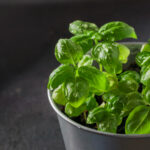
Basil grows rapidly during warm weather and rewards gardeners with fragrant leaves throughout the season.
Parsley is hardy and versatile, making it an excellent addition to both gardens and containers.
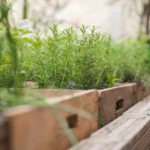
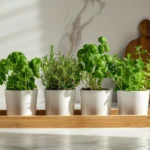
Chives require very little maintenance and return year after year in many climates.
Thyme and oregano are particularly drought-tolerant once established, making them ideal for gardeners who occasionally forget to water.
These herbs also attract beneficial pollinators while adding fresh flavor to everyday cooking.
Beautiful Flowers That Practically Grow Themselves
Flowers don’t have to be difficult.
Marigolds are famous for their bright blooms, long flowering season, and ability to help deter certain garden pests.
Sunflowers grow quickly, require little care, and provide dramatic color while attracting bees and birds.
Zinnias are another favorite among beginners because they bloom continuously through summer and tolerate heat exceptionally well.
Cosmos offer delicate, colorful flowers with minimal maintenance, while Rudbeckia (Black-Eyed Susan) is a hardy perennial known for thriving even in challenging conditions. Many gardening specialists recommend these flowers because they combine beauty with durability.
Great Plants for Containers
Not everyone has a large backyard, but container gardening can be just as successful.
Cherry tomatoes, peppers, basil, mint, lettuce, strawberries, and compact herbs all perform exceptionally well in pots.
Containers also make it easier to control soil quality, improve drainage, and move plants if weather conditions change.
For apartment dwellers or anyone with limited outdoor space, container gardening is often the simplest way to get started.
Native Plants Are Often the Smartest Choice
If you’re unsure what to plant, consider native species.
Plants that naturally grow in your region are already adapted to local temperatures, rainfall, and soil conditions. Once established, they typically require less watering, fewer fertilizers, and less maintenance than exotic varieties.
Native plants also support local wildlife by providing food and shelter for pollinators such as bees, butterflies, and birds.
Tips for Success
Even easy plants need a little attention.
Choose a sunny location for vegetables and most flowers, improve your soil with compost before planting, and avoid overwatering. Water deeply rather than frequently, allowing the soil to dry slightly between waterings whenever appropriate.
It’s also important to follow spacing recommendations instead of crowding plants together. Good airflow reduces disease and helps plants develop stronger roots.
Finally, don’t be discouraged if every plant doesn’t thrive immediately. Every experienced gardener has lost plants along the way. The key is learning from each season and gradually expanding your skills.
Starting with simple, dependable plants allows you to build confidence while creating a garden you’ll enjoy for years to come.