






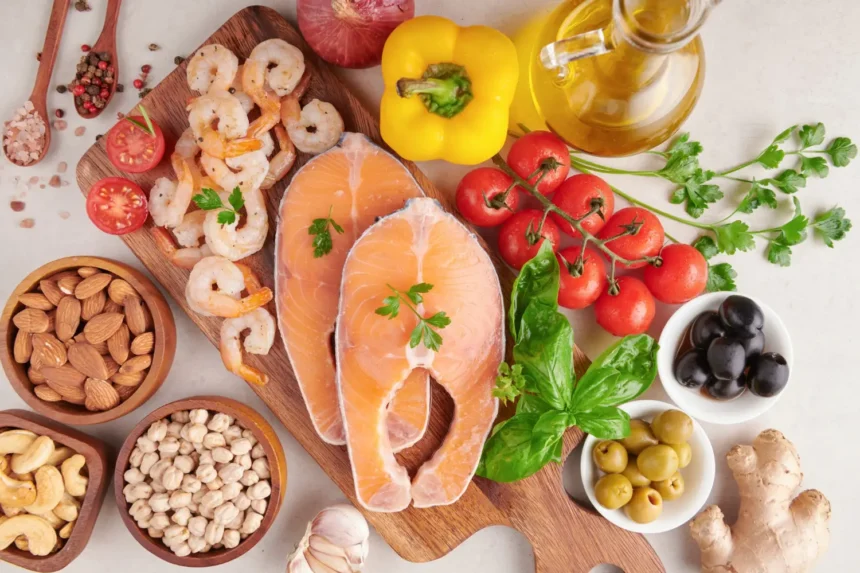
The mediterranean diet is not a strict diet with a single set of calorie limits, banned foods, or mandatory recipes. It is an eating plan inspired by traditional eating habits found in countries surrounding the Mediterranean Sea, particularly patterns historically observed in places such as Greece, southern Italy, Spain, and other parts of the region. At its core, it emphasizes minimally processed plantbased foods, olive oil, legumes, whole grains, vegetables, fruit, nuts, seeds, and regular fish, with smaller quantities of meat and highly processed foods.
- What Does the Mediterranean Diet Actually Mean?
- Mediterranean Diet Foods: What Should You Eat Most Often?
- Olive Oil Is Important—but It Is Still Calorie-Dense
- Nuts, Seeds, Beans, and Whole Grains
- Fish, Poultry, Dairy, and Eggs
- Foods to Eat More Often and Foods to Limit
- Mediterranean Diet and Heart Health
- Can the Mediterranean Diet Help With Blood Sugar?
- Can You Lose Weight on the Mediterranean Diet?
- A Practical Mediterranean Diet Meal Plan
- What About Red Wine?
- Is the Mediterranean Diet Anti-Inflammatory?
- Mediterranean Diet, Mental Health, and Sleep Quality
- Is the Mediterranean Diet Different for Women and Men?
- Common Mediterranean Diet Mistakes
- How to Start Without Changing Everything Overnight
- Is the Mediterranean Diet Expensive?
- How to Evaluate Mediterranean Diet Advice Online
- Frequently Asked Questions
- The Mediterranean Diet Is a Pattern, Not a Prescription
That flexibility is one reason the diet has remained relevant while countless restrictive diet trends have come and gone. There is no requirement to eat Greek food every evening, and a Mediterranean-style plate can be adapted to ingredients, cultures, budgets, allergies, and personal preferences around the world. What matters is the overall dietary pattern rather than whether a particular type of food comes from the Mediterranean region.
The scientific interest is substantial as well. The American Heart Association recommends a Mediterranean-style pattern as one approach consistent with heart-healthy eating, and the landmark PREDIMED randomized trial found fewer major cardiovascular events among high-risk adults assigned to Mediterranean diets supplemented with extra-virgin olive oil or nuts compared with a reduced-fat control diet. More recent research continues to support favorable effects on several cardiovascular and metabolic risk factors.
What Does the Mediterranean Diet Actually Mean?
A useful guide to the mediterranean diet starts by forgetting the idea that there is one official Mediterranean menu. More than 20 countries border the Mediterranean, and their traditional cuisines differ enormously in ingredients, religion, geography, climate, and food culture. The term instead describes a family of eating patterns that share several nutritional characteristics.


The mediterranean diet emphasizes vegetables, fruits, beans and lentils, whole grains, nuts and seeds, fish and seafood, and unsaturated fats, particularly olive oil. Dairy, eggs, and poultry can appear in low-to-moderate quantities, while red meats, sweets, heavily refined foods, and highly processed meat are generally less prominent. The American Heart Association similarly characterizes the pattern as rich in minimally processed plant foods, with olive oil as a major fat source and fish and poultry appearing more often than red meat.
This is why the Mediterranean diet is better understood as a pattern than a list of diet foods. You do not need special Mediterranean products, branded snacks, supplements, powders, or expensive imported ingredients to follow it. Ordinary beans, oats, whole-grain bread, local vegetables, frozen produce, canned fish, and seasonal fruit can all fit beautifully.
Mediterranean Diet Foods: What Should You Eat Most Often?
The foundation of mediterranean diet food is surprisingly ordinary. Meals are usually built around fruits and vegetables, legumes, minimally processed grains, nuts, seeds, herbs, and healthy oils rather than around an enormous piece of meat. This naturally increases fiber, micronutrients, and numerous plant compounds while shifting dietary fat toward more unsaturated sources.
Vegetables should appear generously and in a wide range of colors and forms. That might mean a green salad with tomatoes and cucumber, a bowl of lentil soup, grilled zucchini, eggplant, spinach, broccoli, beans, or roasted red peppers dressed with olive oil and herbs. Frozen vegetables are useful too, because following the Mediterranean diet does not require every vegetable to have been picked from a Greek garden that morning.
Fruit works well as part of breakfast, snacks, or dessert. Fresh fruit such as apples, oranges, pears, peaches, grapes, or fresh berries can replace some desserts based primarily on refined flour and sugar, while small portions of unsweetened dried fruit can be useful alongside nuts. Fruit still contains carbohydrate, so people managing diabetes should consider portions and total carbohydrate intake with their healthcare team rather than assuming unlimited amounts are automatically appropriate.

Olive Oil Is Important—but It Is Still Calorie-Dense
Extra virgin olive oil is perhaps the ingredient most strongly associated with the Mediterranean diet. It is rich in monounsaturated fat and contains phenolic compounds, while Mediterranean dietary trials have specifically examined patterns containing substantial olive oil. In PREDIMED, one Mediterranean-diet intervention included supplemental extra-virgin olive oil and was associated with fewer major cardiovascular events among adults at high cardiovascular risk.



From a nutritional perspective, replacing sources of saturated fat with unsaturated oils is more important than simply pouring olive oil onto an already high-calorie diet. The WHO recommends unsaturated fats from sources including fish, nuts, avocado, sunflower, soybean, canola, and olive oils in preference to saturated fats and trans fats. That means olive oil is a healthy fat, but it should replace some unhealthy fat, not simply be added without considering the rest of your food intake.
Portion awareness matters particularly if your goal is weight loss. Oil contains approximately nine calories per gram of fat, so using large quantities can add substantial energy even when the oil is nutritionally preferable to butter. Measuring it occasionally can be surprisingly educational if you currently pour freely from the bottle.
Nuts, Seeds, Beans, and Whole Grains
Nuts, seeds, and legumes provide plant protein, fiber, minerals, and unsaturated fats. Almonds, walnuts, pistachios, peanuts, sesame, tahini, pumpkin seeds, and sunflower seeds can all fit, while beans, chickpeas, peas, and lentils can regularly replace meat as the central protein source of a meal. You do not need to eat the exact nuts used in a particular Mediterranean research study for the basic nutritional principle to apply.
Whole grains are another important component. Oats, barley, bulgur, whole-grain bread, whole-wheat pasta, quinoa, farro, and brown rice are useful options depending on culture and availability. Whole grains generally retain more fiber and micronutrients than highly refined grain products, which can also make meals more satisfying.
One simple way to start is replacing rather than eliminating. Change white bread to a high-quality whole-grain option, use brown rice or another whole grain for some meals, and replace part of the meat in stews with lentils or beans. Sustainable dietary improvements usually happen through dozens of reasonable substitutions rather than one dramatic refrigerator cleanout.

Fish, Poultry, Dairy, and Eggs
Fish and seafood feature regularly in Mediterranean dietary patterns. Oily fish such as salmon and sardines are especially valuable sources of long-chain omega-3 fats; people searching combinations like salmon sardines are essentially looking at two excellent examples of oily fish that can fit this pattern. Other choices include trout, mackerel, anchovies, tuna, shellfish, and locally available seafood.
Poultry and eggs can also be included, generally without needing to dominate every meal. Dairy may appear in moderate quantities, with foods such as natural greek yogurt, traditional yogurt, milk, and cheese providing protein and calcium. Choosing unsweetened yogurt and adding fruit yourself can substantially reduce the added sugars found in many flavored varieties.
The Mediterranean diet is therefore not automatically vegetarian. It simply shifts the center of gravity toward plants and seafood while reducing reliance on large servings of red meats and processed meat. This distinction makes the diet considerably easier for many people to maintain over the long term.



Foods to Eat More Often and Foods to Limit
The most useful foods to eat frequently are vegetables, whole fruit, beans, lentils, minimally processed whole grains, nuts, seeds, fish, and foods prepared with appropriate amounts of olive oil. Meals can include mixed greens, tomatoes, peppers, onions, herbs, beans, yogurt, whole grains, seafood, and other ordinary ingredients without requiring complicated recipes. The pattern is flexible enough that people can adapt these principles to Asian, Latin American, Middle Eastern, African, and Northern European cooking.
Foods to limit or avoid as everyday staples include sugar-sweetened beverages, highly refined sweets, processed meats, large quantities of fatty red meat, and many ultra-processed foods. The goal is also to keep added sugars, excessive sodium, saturated fat, and industrial trans fat relatively low. Current heart-health guidance similarly emphasizes fruits, vegetables, whole grains, beans, nuts, fish, minimally processed foods, and replacing high-saturated-fat foods with healthier alternatives.
This does not mean a pastry, burger, or slice of cake can never appear again. A Mediterranean dietary pattern is defined by what you eat consistently across weeks and months, not by whether every individual meal meets a purity test. That flexibility is one of its greatest practical strengths.
Mediterranean Diet and Heart Health
The evidence surrounding heart health is one of the strongest reasons the Mediterranean diet receives so much medical attention. Cardiovascular disease develops through multiple interacting factors, including blood pressure, cholesterol, glucose regulation, smoking, physical activity, body composition, genetics, and other influences. Nutrition cannot control all of them, but dietary patterns can influence several simultaneously.
In the republished PREDIMED randomized trial, adults at high cardiovascular risk assigned to a Mediterranean diet supplemented with extra-virgin olive oil or nuts experienced fewer major cardiovascular events than participants assigned to a reduced-fat diet. The trial’s primary composite outcome included heart attack, stroke, and cardiovascular death, making this more meaningful than studies that look only at laboratory markers.
A 2024 meta-analysis of randomized trials also reported beneficial effects on blood pressure, glycemic measures, BMI, and waist circumference relative to control diets. These changes are relevant because hypertension, excess abdominal adiposity, and impaired glucose regulation are important cardiovascular risk factors.
This doesn’t mean eating olive oil makes you immune to heart disease. Smoking, severe hypertension, diabetes, high LDL cholesterol, family history, and other major risk factors still need appropriate management. Think of the diet as part of cardiovascular prevention rather than a nutritional force field.

Can the Mediterranean Diet Help With Blood Sugar?
The Mediterranean pattern can fit very well into diabetes prevention and management because it emphasizes fiber-rich plants, legumes, whole grains, nuts, and minimally processed foods rather than large quantities of refined carbohydrate. Magnesium-rich plants, fiber, unsaturated fat, and a lower overall reliance on heavily processed food may all contribute to the metabolic profile of the diet.
Randomized-trial meta-analysis published in 2024 found improvements in fasting glucose and HbA1c compared with control diets, while a 2025 review of Mediterranean dietary interventions in type 2 diabetes reported modest improvements in glycemic control and body composition.
People with diabetes should nevertheless individualize carbohydrate quantity, medication timing, and meal structure. If changing your diet substantially while using insulin or glucose-lowering medication, discuss the plan with your medical professional because improved blood sugar can sometimes require medication adjustments. Nutrition and medication should work together rather than compete.
Can You Lose Weight on the Mediterranean Diet?
Yes, you can lose weight while following a Mediterranean pattern, but the diet does not override energy balance. Olive oil, nuts, tahini, cheese, and other Mediterranean foods can be nutritious while also being energy dense. Eating them in unlimited quantities can therefore make weight loss difficult.
A 2024 meta-analysis of randomized controlled trials found beneficial effects of Mediterranean dietary interventions on BMI and waist circumference, while other systematic evidence supports its usefulness in managing obesity and metabolic risk.
The main advantage for weight management is that the pattern can be both satisfying and nutritionally rich. Vegetables, legumes, whole fruit, whole grains, fish, yogurt, and nuts can form filling meals without requiring highly restrictive rules. For weight loss, however, portion sizes and overall calorie intake still matter.
A practical approach is to make vegetables a substantial part of the plate, include an appropriate protein source, choose a moderate serving of whole-grain or starchy carbohydrate, and use olive oil deliberately rather than invisibly. This retains the character of the diet while making energy intake easier to manage. The best diet meal plan is one that creates a realistic calorie deficit without making you miserable enough to abandon it after two weeks.
A Practical Mediterranean Diet Meal Plan
A mediterranean diet meal plan does not need to contain elaborate Greek or Italian recipes. The following example shows how Mediterranean principles can be translated into ordinary meals, and portions should be adjusted for energy needs, appetite, body size, activity level, medical conditions, and weight goals. Think of this as a flexible meal plan, not a prescription.
| Day | Breakfast | Lunch | Dinner | Snack Idea |
|---|---|---|---|---|
| Monday | Greek yogurt, oats, fresh berries, walnuts | Lentil soup with whole-grain bread and green salad | Baked salmon, brown rice, roasted vegetables | Apple with almonds |
| Tuesday | Whole-grain toast, egg, tomato, fruit | Chickpea salad with mixed greens and olive oil | Chicken, roasted red peppers, zucchini and potatoes | Yogurt with fruit |
| Wednesday | Oatmeal with banana and sunflower seeds | Bean and vegetable bowl with whole grains | Sardines or trout, vegetables and barley | Pear with walnuts |
| Thursday | Greek yogurt, fresh fruit and oats | Hummus, whole-grain pita and vegetable salad | Lentil pasta with tomato sauce and vegetables | Small portion of dried fruit and nuts |
| Friday | Eggs, spinach and whole-grain toast | Leftover grain-and-bean salad | Grilled fish, green salad and roasted potatoes | Fresh berries with yogurt |
| Saturday | Oats, apple and nuts | Tomato, bean and whole-grain salad | Chicken or bean stew with vegetables | Fruit and a small handful of nuts |
| Sunday | Yogurt, fruit, seeds and whole-grain toast | Vegetable and lentil soup | Whole-wheat pasta with tomato, vegetables and a moderate amount of cheese | Fresh fruit |
You can change almost every ingredient in this mediterranean diet meal plan while preserving the nutritional structure. Salmon can become another oily fish, lentils can become beans, brown rice can become bulgur, and berries can become whatever seasonal fruit is affordable. A sustainable pattern adapts to your household rather than requiring your household to adapt to an internet menu.
What About Red Wine?
Traditional descriptions of the Mediterranean diet sometimes include red wine consumed with meals in a moderate amount. This has led to decades of claims that drinking wine is an essential part of Mediterranean health, but that is not a good reason to start drinking alcohol.
The American Heart Association does not recommend beginning alcohol use to obtain supposed cardiovascular benefits, and modern heart-health guidance increasingly emphasizes keeping alcohol intake minimal. If you do not currently drink, you do not need to add wine to make your eating pattern authentically Mediterranean.
Alcohol is also inappropriate for many people, including during pregnancy, for some individuals taking medications, for people with particular medical conditions, and for anyone with a history of problematic alcohol use. Even where alcohol appears historically in Mediterranean cultures, the evidence-supported dietary pattern does not require it. Water should remain the default beverage.
Is the Mediterranean Diet Anti-Inflammatory?
You will often see Mediterranean eating included in discussions about antiinflammatory diets. That label can become marketing language very quickly, but there is evidence that Mediterranean dietary interventions can improve certain inflammatory biomarkers. A meta-analysis of randomized trials found overall evidence of favorable anti-inflammatory effects, while more recent research continues to investigate links among Mediterranean eating, inflammation, vascular function, and the gut microbiome.
The effect is unlikely to come from one “anti-inflammatory superfood.” The pattern combines fiber-rich plants, olive oil, nuts, fish, relatively low amounts of processed meat, and fewer heavily refined foods. Research suggesting adherence reduces chronic disease risk should therefore be understood as evidence about the overall pattern rather than permission to sell one Mediterranean ingredient as medicine.
No diet should be marketed as a replacement for treatment of inflammatory disease. If you have rheumatoid arthritis, inflammatory bowel disease, cardiovascular disease, or another chronic condition, nutrition can form part of management, but treatment decisions belong with your clinical team.

Mediterranean Diet, Mental Health, and Sleep Quality
Researchers are also investigating links between Mediterranean-style eating and mental health. Recent systematic reviews and meta-analyses have found associations between stronger adherence and lower depression or anxiety outcomes in some populations, but observational findings cannot prove that diet alone caused the difference. Dietary interventions can support overall health, but depression and anxiety remain multifactorial conditions requiring appropriate assessment and treatment when symptoms are significant.
Similarly, a 2025 systematic review found relationships between Mediterranean-diet adherence and sleep quality, sleep duration, and chronotype. The authors emphasized the need for more longitudinal research, meaning we should not conclude that eating Mediterranean food automatically fixes insomnia.
Diet and sleep can influence each other indirectly as well. Someone who sleeps poorly may make different food choices, while meal timing, alcohol, caffeine, body weight, reflux, metabolic health, and other factors can affect sleep. Treating the two as connected lifestyle domains is more realistic than claiming one salad produces better sleep.
Is the Mediterranean Diet Different for Women and Men?
The basic principles are not fundamentally different for womens health and mens health. Both can benefit from a dietary pattern rich in vegetables, legumes, whole grains, fish, nuts, and unsaturated fats, while individual calorie, protein, iron, calcium, and other nutrient requirements differ according to age, body size, activity, pregnancy status, health conditions, and other factors.
Research specifically focusing on cardiovascular outcomes in women is expanding, but investigators have noted that sex-specific evidence has historically been more limited than general Mediterranean-diet evidence.
Pregnancy, menopause, osteoporosis risk, diabetes, kidney disease, eating disorders, and other circumstances may require individualized changes. Men with cardiovascular risk, diabetes, or other chronic conditions similarly benefit from individualized guidance rather than assuming one generic Mediterranean menu applies perfectly to everyone.
Common Mediterranean Diet Mistakes
The first mistake is believing that everything labeled Mediterranean is automatically healthy. Pizza, pastries, processed meats, salty cheese, refined bread, and desserts can all exist in Mediterranean cultures, but geography doesn’t change their nutritional characteristics. The diet studied for health outcomes is a dietary pattern, not permission to eat unlimited restaurant food because the menu includes olives.
The second mistake is adding enormous quantities of olive oil, nuts, cheese, and wine to your existing diet without removing anything else. These foods can fit, but a calorie-dense healthy fat remains calorie dense. If your goal is to lose weight, additions without substitutions can easily work against you.
The third mistake is turning the Mediterranean diet into another rigid wellness identity promoted through social media. You do not need a beautifully arranged bowl, imported olive oil, artisanal sourdough, or supplements to “do it correctly.” Some of the most traditional Mediterranean meals are inexpensive combinations of legumes, seasonal vegetables, grains, herbs, and oil.
How to Start Without Changing Everything Overnight
Begin with one meal rather than redesigning your entire diet. At lunch, you might replace a processed-meat sandwich and chips with whole-grain bread, hummus, vegetables, fruit, and yogurt. At dinner, make vegetables more prominent and replace some red-meat meals with beans, lentils, or fish.
Next, change your primary cooking fat where appropriate. Use olive oil instead of butter for suitable dishes, while remembering that quantity still matters. Add beans or lentils several times per week, keep unsalted nuts available for snacks, and make whole fruit the default dessert on ordinary days.
After that, focus on food quality rather than perfection. Gradually reduce processed meats, sugar-sweetened drinks, heavily refined snacks, and foods rich in trans or saturated fats while increasing vegetables, legumes, whole grains, nuts, fish, and fruit. Mediterranean style eating becomes far easier when you think in terms of substitutions rather than prohibitions.
Is the Mediterranean Diet Expensive?
It can be expensive if you build it around fresh seafood every day, imported specialty products, premium cheeses, and fashionable ingredients. It can also be remarkably economical when based on beans, lentils, oats, potatoes, seasonal vegetables, frozen produce, canned fish, whole grains, and locally available fruit.
Budget-conscious shoppers can buy dried or canned legumes, frozen vegetables, store-brand oats, canned sardines or tuna, and nuts in larger packages when practical. Extra-virgin olive oil may cost more than some cooking fats, but it does not need to be used in unlimited quantities.
If food insecurity is affecting your ability to follow medical nutrition advice, tell your primary care team rather than feeling embarrassed. Clinics, community organizations, public programs, and local charities may be able to connect eligible individuals with food support or financial assistance. A diet recommendation is only useful when it takes real-life access into account.
How to Evaluate Mediterranean Diet Advice Online
Health websites often advertise content as medically reviewed, but that phrase alone does not tell you whether every claim is accurate. Look for information consistent with major evidence-based organizations, clinical trials, systematic reviews, and qualified nutrition professionals rather than relying entirely on testimonials.
Be especially skeptical of claims that a Mediterranean ingredient detoxifies the body, cures cancer, melts abdominal fat, or works because one doctor on social media says so. The strongest evidence concerns an overall dietary pattern and long-term health outcomes, not a magical combination of lemon water, oil, and herbs.
If you have kidney disease, diabetes treated with medication, severe gastrointestinal disease, food allergies, cardiovascular disease, an eating disorder, or another condition requiring individualized nutrition, speak with a registered dietitian or other qualified medical professional. A general article cannot account for your medications, laboratory results, energy requirements, and clinical history.
Frequently Asked Questions
What are the main health benefits of the Mediterranean diet?
The best-supported health benefits involve cardiovascular and metabolic health. Randomized and observational evidence links stronger Mediterranean-diet adherence with favorable cardiovascular outcomes, and the PREDIMED trial found fewer major cardiovascular events among high-risk adults following Mediterranean interventions containing extra-virgin olive oil or nuts.
Research also supports improvements in factors such as blood pressure, glucose control, waist circumference, and body weight in appropriate populations. These benefits of the mediterranean diet are probably produced by the dietary pattern as a whole rather than one single ingredient.
What do you eat for breakfast on a Mediterranean diet?
A Mediterranean breakfast can be simple. Natural Greek yogurt with oats, berries, nuts, or seeds is one option, while whole-grain toast with eggs, tomato, and fruit is another. Oatmeal with fruit and walnuts also fits without requiring a traditionally Mediterranean recipe.
The more useful principle is avoiding breakfast becoming primarily refined flour and added sugar every day. Include fiber-rich carbohydrate, fruit or vegetables, and a source of protein or healthy fat where appropriate. Portions should reflect your individual energy needs.
Is pasta allowed on the Mediterranean diet?
Yes. Pasta can fit easily, particularly when portions are reasonable and the meal includes vegetables, legumes, seafood, or other nutritious ingredients. Whole-grain pasta provides additional fiber, but ordinary pasta does not need to be completely forbidden.
A bowl containing an enormous portion of pasta with very little else is nutritionally different from pasta combined with tomatoes, vegetables, beans, herbs, and olive oil. Context and portion matter more than declaring pasta either “good” or “bad.”
Can you eat meat on the Mediterranean diet?
Yes. The pattern is not vegetarian, but fish, seafood, legumes, nuts, and poultry generally play a larger role than red and processed meats. Red meat can appear occasionally without destroying the overall dietary pattern.
If you currently eat meat twice every day, you do not need to eliminate it overnight. Begin by replacing several weekly meals with lentils, beans, fish, or another suitable protein source.
Is the Mediterranean diet low-carb?
Not necessarily. Traditional versions can contain substantial carbohydrate from whole grains, beans, fruit, potatoes, and bread. The difference is that many carbohydrate sources are minimally processed and accompanied by fiber, unsaturated fat, protein, and plant foods.
People with diabetes may need individualized carbohydrate portions, but they do not necessarily need to abandon Mediterranean dietary principles. Clinical evidence supports Mediterranean dietary patterns as one useful approach for glycemic management.
How quickly can the Mediterranean diet improve health?
Some biomarkers can change within weeks or months, but the major value of the diet comes from long-term adherence. Cardiovascular disease develops over years, so expecting dramatic changes after one week misses the purpose of the pattern.
Think in terms of creating eating habits you could realistically maintain for years. Sustainable improvements usually matter more than a short period of nutritional perfection.
Does the Mediterranean diet lower the risk of chronic disease?
Evidence consistently associates stronger adherence with a lower risk of several adverse health outcomes, particularly cardiovascular disease, and trials support effects on important metabolic risk factors. However, the strength of evidence differs according to the disease and outcome being studied.
No eating pattern can guarantee prevention. Genetics, age, smoking, activity, medical care, socioeconomic factors, and many other influences still matter.
Can I follow the Mediterranean diet if I don’t like fish?
Yes. Beans, lentils, chickpeas, tofu, eggs, yogurt, nuts, seeds, and poultry can provide alternative protein sources depending on your dietary preferences. You may miss some of the omega-3 fats supplied by oily fish, so discuss alternatives with a dietitian if your diet is highly restricted.
You also do not need to force yourself to eat foods you hate merely because they are “Mediterranean.” A sustainable diet needs enough flexibility to fit your preferences.
The Mediterranean Diet Is a Pattern, Not a Prescription
The most valuable thing about the Mediterranean diet is probably what it does not require. There are no mandatory shakes, detoxes, fasting windows, branded products, forbidden food groups, or complicated calculations, and you do not need to live beside the Mediterranean Sea.
Instead, build most meals around vegetables and other plant foods, choose whole grains and legumes regularly, use olive oil appropriately, eat nuts and seeds, include fish where possible, and keep red meat, processed meat, heavily processed foods, sweets, and excessive saturated fat less prominent. That basic mediterraneanstyle diet closely resembles current evidence-based heart-healthy dietary guidance.
Most importantly, treat it as a long-term way of eating rather than another temporary diet. The strongest evidence for the Mediterranean pattern comes from what happens when nutritious choices accumulate over time, affecting cardiovascular and metabolic health rather than producing dramatic changes overnight.
If you can make those choices enjoyable, affordable, culturally appropriate, and realistic enough to repeat, you have understood the Mediterranean diet better than someone following a perfect seven-day menu they will abandon next Monday.