






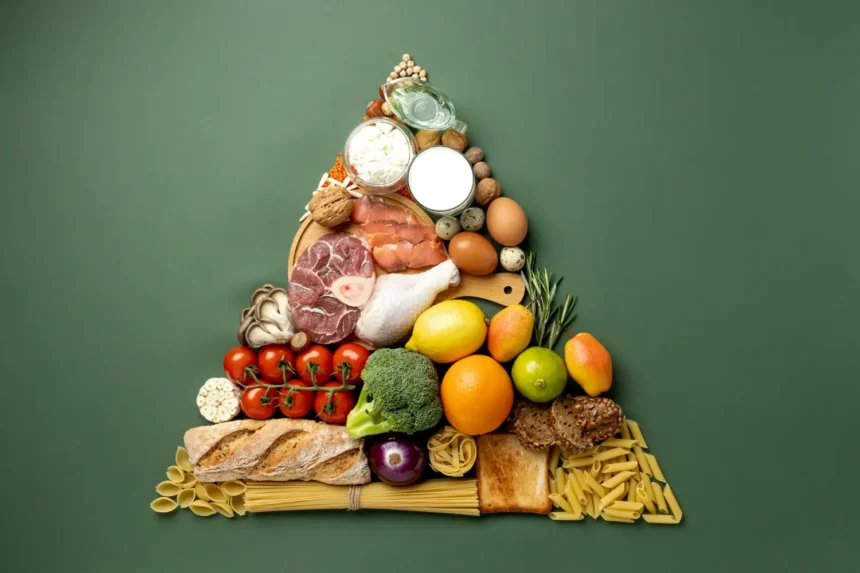
Eating well can sometimes seem unnecessarily complicated. Between restrictive diets, changing food trends, and conflicting nutrition advice, it’s easy to lose sight of a simple principle: your body needs a variety of foods and nutrients to function properly.
That is the basic idea behind a balanced diet.
What Does a Balanced Diet Include?
A balanced diet generally combines several major food groups rather than relying heavily on one type of food.
Fruits and vegetables provide fiber, vitamins, minerals, and numerous naturally occurring plant compounds. Eating different types and colors helps increase dietary variety.



Whole grains and other carbohydrate-rich foods provide energy and can contribute important nutrients and fiber. Examples include oats, brown rice, whole-grain bread, potatoes, and quinoa.
Protein-rich foods support muscles and other tissues. Sources include fish, poultry, eggs, beans, lentils, nuts, seeds, dairy products, and various plant-based alternatives.
Healthy dietary fats are also important. Foods such as olive oil, nuts, seeds, avocado, and oily fish provide unsaturated fats that can form part of a nutritious eating pattern.
| Food Group | Examples |
|---|---|
| Vegetables & fruits | Broccoli, tomatoes, berries, oranges |
| Whole grains | Oats, brown rice, whole-grain bread |
| Protein | Fish, eggs, chicken, beans, lentils |
| Healthy fats | Olive oil, nuts, seeds, avocado |
| Dairy/alternatives | Milk, yogurt, fortified alternatives |
Does a Balanced Diet Mean Avoiding Certain Foods?
Not necessarily.
Healthy eating doesn’t require labeling individual foods as completely “good” or “bad.” What matters more is your overall dietary pattern.
Foods high in added sugars, sodium, or saturated fats can generally be consumed less frequently, while minimally processed, nutrient-rich foods make up a larger proportion of everyday meals.



Portion size matters too. Even nutritious foods contribute energy, so individual requirements depend on factors including age, activity level, body size, and health needs.
How to Start Eating a More Balanced Diet
You don’t need to redesign your entire diet overnight. Begin with manageable changes.
Try adding vegetables to meals you already enjoy, choosing whole grains more often, including a source of protein with meals, and replacing some highly processed snacks with fruit, yogurt, or nuts. Water can also become your primary everyday drink.
Planning meals ahead can make balanced choices considerably easier when you’re busy.
Most importantly, consistency matters more than a single meal. One indulgent dinner doesn’t make a diet unhealthy, just as one salad doesn’t automatically make it healthy.
A balanced diet is ultimately about creating a varied and sustainable way of eating that provides the nutrition your body needs while still leaving room for enjoyment.