






Why Your Choice of Neighborhood Matters
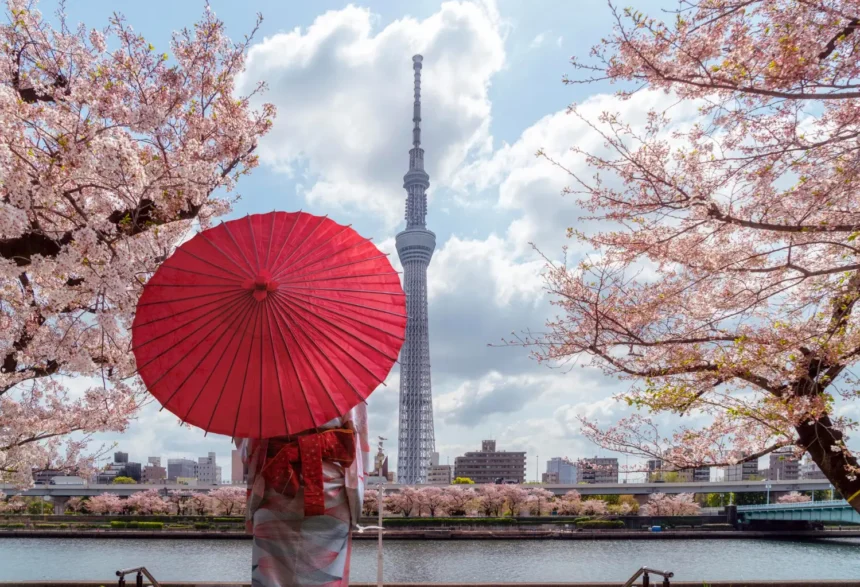
Tokyo is one of the largest cities in the world, but it doesn’t feel like one endless metropolis. Instead, it’s made up of distinct neighborhoods, each with its own atmosphere, attractions, and personality.
- Why Your Choice of Neighborhood Matters
- Shinjuku: Best for First-Time Visitors
- Shibuya: Best for Shopping and Nightlife
- Asakusa: Best for Traditional Tokyo
- Ginza: Best for Luxury Travelers
- Ueno: Best for Families and Museums
- Akihabara: Best for Anime and Gaming Fans
- Roppongi: Best for International Travelers
- Ikebukuro: Best Value for Money
- Odaiba: Best for Families and Waterfront Views
- Ebisu: Best for Food Lovers
- Tokyo Neighborhoods at a Glance
- Which Area Fits Your Travel Style?
- Tips for Choosing Accommodation
- Common Mistakes First-Time Visitors Make
- Frequently Asked Questions
Some districts buzz with neon lights and nightlife, while others are quiet, traditional, or packed with parks and museums. Picking the right area to stay can save you hours of commuting and help you experience the side of Tokyo that best matches your travel style.
Shinjuku: Best for First-Time Visitors
If it’s your first visit to Tokyo, Shinjuku is one of the safest choices.
The area offers a little bit of everything:


- Excellent transport connections
- Shopping centers
- Restaurants
- Nightlife
- Parks
- Hotels for every budget
You’ll also find easy train access to most of Tokyo’s major attractions, making it an ideal base for sightseeing.
Pros
- Fantastic public transportation
- Huge variety of restaurants
- Great shopping
- Lively atmosphere
- Wide range of accommodation
Cons
- Can feel crowded
- Some areas stay busy late into the night
Shibuya: Best for Shopping and Nightlife
Shibuya is energetic, modern, and unmistakably Tokyo.
It’s famous for:
- Shibuya Crossing
- Fashion boutiques
- Trendy cafés
- Rooftop bars
- Department stores
- Entertainment
It’s especially popular with younger travelers and anyone who enjoys staying in the middle of the action.
Pros
- Excellent nightlife
- Modern shopping
- Easy transportation
- Vibrant atmosphere
Cons
- Hotels can be expensive
- Busy throughout the day
Asakusa: Best for Traditional Tokyo
For travelers looking to experience old Tokyo, Asakusa is an excellent choice.
The neighborhood is home to:



- Sensō-ji Temple
- Traditional shopping streets
- Local markets
- Historic architecture
- Riverside walks
The atmosphere is much calmer than central entertainment districts while still offering excellent transport connections.
Pros
- Rich cultural atmosphere
- More relaxed pace
- Great traditional food
- Often better hotel value
Cons
- Fewer nightlife options
- Longer travel times to western Tokyo
Ginza: Best for Luxury Travelers
Ginza is Tokyo’s most famous upscale shopping district.
Here you’ll find:
- Luxury hotels
- Designer boutiques
- Michelin-starred restaurants
- Elegant cafés
- High-end department stores
It’s clean, sophisticated, and centrally located, making it a favorite for travelers seeking comfort and convenience.
Pros
- Luxury accommodation
- Excellent dining
- Beautiful shopping streets
- Central location
Cons
- Higher prices
- Less nightlife than Shibuya or Shinjuku
Ueno: Best for Families and Museums
Ueno offers a quieter atmosphere without sacrificing convenience.
Highlights include:
- Ueno Park
- Tokyo National Museum
- Ueno Zoo
- Ameyoko Market
Families appreciate the spacious parks and relatively relaxed pace compared to Tokyo’s busiest districts.
Pros
- Family-friendly
- Excellent museums
- Good transport links
- More affordable hotels
Cons
- Evening entertainment is more limited
Akihabara: Best for Anime and Gaming Fans
Akihabara is paradise for anyone interested in:



- Anime
- Manga
- Video games
- Electronics
- Collectibles
The neighborhood has a unique energy unlike anywhere else in Tokyo.
Even travelers with only a casual interest often enjoy exploring its colorful streets.
Pros
- Unique atmosphere
- Excellent shopping
- Great transport
Cons
- Less relaxing than other districts
- Limited green space
Roppongi: Best for International Travelers
Roppongi has long been one of Tokyo’s most international neighborhoods.
It’s well known for:
- Nightlife
- Luxury hotels
- Art museums
- Fine dining
- International restaurants
Many English-speaking visitors find it particularly easy to navigate.
Pros
- Cosmopolitan atmosphere
- Great nightlife
- Excellent restaurants
Cons
- Higher accommodation prices
Ikebukuro: Best Value for Money
Often overlooked by first-time visitors, Ikebukuro offers many of the same conveniences as Shinjuku but usually at lower prices.
You’ll find:
- Shopping malls
- Entertainment
- Restaurants
- Major train connections
It’s a smart option for travelers looking to stretch their budget.
Pros
- Good hotel prices
- Excellent transportation
- Plenty of shopping
Cons
- Fewer famous landmarks nearby
Odaiba: Best for Families and Waterfront Views
Built on a man-made island in Tokyo Bay, Odaiba offers a completely different experience.
Visitors can enjoy:
- Waterfront parks
- Shopping complexes
- Family attractions
- Beaches
- Beautiful skyline views
It’s particularly popular with families traveling with children.
Pros
- Spacious environment
- Great family attractions
- Scenic waterfront
Cons
- Farther from central Tokyo
- Fewer traditional experiences
Ebisu: Best for Food Lovers
Ebisu is stylish without feeling overwhelming.
It’s known for:
- Excellent restaurants
- Craft beer bars
- Boutique cafés
- Relaxed nightlife
Compared to neighboring Shibuya, Ebisu offers a quieter and more refined atmosphere.
Pros
- Fantastic dining
- Less crowded
- Upscale atmosphere
Cons
- Fewer tourist attractions
Tokyo Neighborhoods at a Glance
| Neighborhood | Best For |
|---|---|
| Shinjuku | First-time visitors |
| Shibuya | Shopping and nightlife |
| Asakusa | Traditional culture |
| Ginza | Luxury travel |
| Ueno | Families and museums |
| Akihabara | Anime and gaming |
| Roppongi | Nightlife and international visitors |
| Ikebukuro | Budget-conscious travelers |
| Odaiba | Families and waterfront views |
| Ebisu | Food lovers |
Which Area Fits Your Travel Style?
Choosing the right neighborhood becomes much easier when you think about your priorities.
| If You Want… | Stay In… |
|---|---|
| Easy sightseeing | Shinjuku |
| Luxury shopping | Ginza |
| Historic atmosphere | Asakusa |
| Nightlife | Shibuya or Roppongi |
| Family-friendly attractions | Ueno or Odaiba |
| Affordable accommodation | Ikebukuro |
| Great restaurants | Ebisu |
Tips for Choosing Accommodation
A few simple decisions can make your Tokyo stay much more convenient.
- Stay close to a train or subway station.
- Book early if visiting during cherry blossom season or autumn.
- Consider hotel room sizes, which are often smaller than in many other countries.
- Don’t worry about staying directly beside every attraction—Tokyo’s transport system makes getting around remarkably easy.
Common Mistakes First-Time Visitors Make
| Mistake | Better Approach |
|---|---|
| Choosing a hotel far from public transport | Stay within walking distance of a major station |
| Only considering hotel price | Factor in commuting time and convenience |
| Staying in one neighborhood for nightlife only | Balance entertainment with sightseeing access |
| Expecting every district to feel the same | Research each area’s unique atmosphere before booking |
| Booking at the last minute during peak seasons | Reserve accommodation well in advance |
Frequently Asked Questions
Where should first-time visitors stay in Tokyo?
Shinjuku is often considered the best all-around choice thanks to its central location, excellent transportation, wide variety of hotels, restaurants, shopping, and easy access to major attractions.
Which neighborhood is best for families?
Ueno and Odaiba are both excellent choices. They offer parks, museums, family-friendly attractions, and a more relaxed atmosphere than some of Tokyo’s busiest districts.
Is Shibuya or Shinjuku better?
Both are fantastic. Shibuya is ideal for shopping, fashion, and nightlife, while Shinjuku offers greater transportation convenience and a broader range of accommodation options.
Which area is best for traditional Tokyo?
Asakusa is the top choice for travelers wanting historic streets, temples, local markets, and a glimpse of Tokyo’s traditional character while still enjoying good transport connections.