





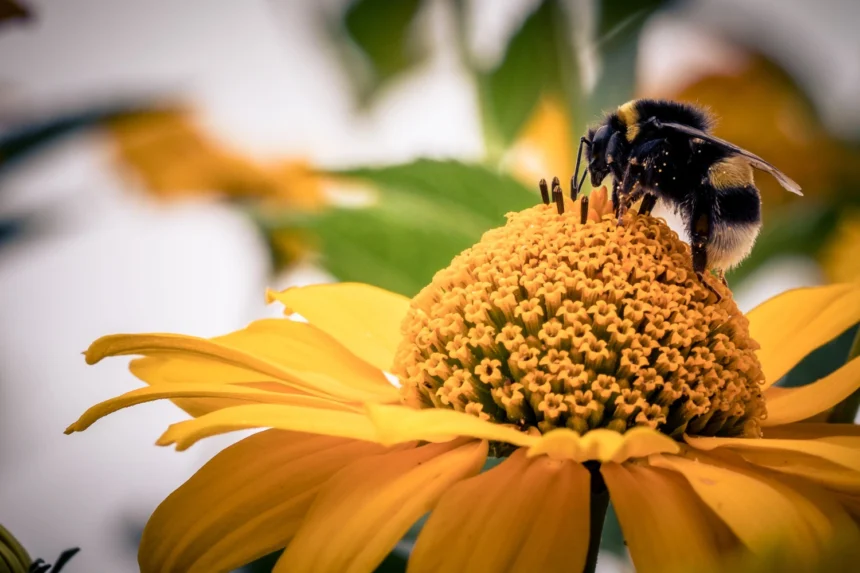
Why Pollinators Matter
Pollinators are essential for healthy gardens. Bees, butterflies, hoverflies, moths, and even some birds help transfer pollen between flowers, allowing many fruits, vegetables, and flowering plants to reproduce.
- Why Pollinators Matter
- Lavender
- Coneflower (Echinacea)
- Bee Balm
- Salvia
- Cosmos
- Sunflowers
- Black-Eyed Susan
- Yarrow
- Foxgloves
- Catmint
- Zinnias
- Coreopsis
- Asters
- Goldenrod
- Best Flowers for Pollinators at a Glance
- Plant for Every Season
- Simple Ways to Attract More Pollinators
- Common Mistakes to Avoid
- Frequently Asked Questions
Without pollinators, crops like tomatoes, squash, strawberries, apples, cucumbers, and blueberries would produce far fewer fruits. Creating a pollinator-friendly garden not only benefits wildlife but also improves the productivity of your own plants. Research from the Royal Horticultural Society also recommends choosing flowers with simple, open blooms, as they provide easier access to nectar and pollen than many heavily double-flowered varieties.
Lavender
Lavender is one of the best flowers you can grow for pollinators.
Its fragrant purple flower spikes are magnets for:
- Honeybees
- Bumblebees
- Butterflies
- Hoverflies
Once established, lavender is drought-tolerant and flowers for weeks during summer.
It grows best in:
- Full sun
- Well-drained soil
- Areas with good air circulation
Coneflower (Echinacea)
Coneflowers are famous for attracting bees and butterflies throughout summer.
Their large, daisy-like flowers provide an abundant source of nectar while also adding bold color to garden borders.
Available in shades including:
- Purple
- Pink
- White
- Orange
- Yellow
They’re also remarkably drought-tolerant once established.
Bee Balm
As its name suggests, bee balm is a favorite among pollinators.
Its unusual, shaggy blooms attract:
- Bees
- Butterflies
- Hummingbirds
Bee balm grows best in sunny locations with fertile, consistently moist soil and makes an excellent addition to cottage gardens.
Salvia
Salvia is one of the longest-flowering plants for pollinators.
Its upright flower spikes bloom continuously from late spring into autumn in many climates.
Popular flower colors include:
- Blue
- Purple
- Pink
- Red
- White
The tubular flowers are especially attractive to long-tongued bees, butterflies, and hummingbirds.
Cosmos
Cosmos is an easy annual that provides months of colorful blooms.
Besides being simple to grow from seed, its open flowers make nectar easily accessible to many pollinating insects.
Cosmos thrives in:
- Full sun
- Well-drained soil
- Average garden conditions
It’s also an excellent choice for beginner gardeners.
Sunflowers
Sunflowers provide much more than dramatic height.
During flowering, they’re visited by numerous bee species, while mature seed heads later provide food for birds.
Smaller branching varieties are especially useful because they produce many blooms over a longer period rather than just one giant flower.
Black-Eyed Susan
These cheerful yellow flowers brighten gardens while providing valuable nectar for bees and butterflies.
They’re hardy perennials that tolerate:
- Heat
- Drought
- Poor soil
They also continue blooming well into late summer.
Yarrow
Yarrow produces large clusters of tiny flowers that attract a wide range of beneficial insects.
Flower colors include:
- White
- Yellow
- Pink
- Red
- Peach
Once established, yarrow requires very little maintenance and performs well in dry gardens. It’s also recommended by pollinator specialists for long-lasting nectar production.
Foxgloves
Foxgloves produce tall flower spikes covered with tubular blooms.
These flowers are particularly attractive to:
- Bumblebees
- Long-tongued bees
- Hummingbirds (where native)
Because of their height, foxgloves also create impressive vertical interest in borders.
Keep in mind that every part of the plant is toxic if ingested.
Catmint
Often confused with culinary mint, catmint is one of the busiest plants you’ll see during summer.
Its lavender-blue flowers bloom for months and are constantly visited by bees.
Additional benefits include:
- Excellent drought tolerance
- Long flowering season
- Low maintenance
- Deer resistance
Zinnias
If you love butterflies, plant zinnias.
These colorful annual flowers bloom continuously from summer until the first frost when deadheaded regularly.
Available in almost every color except blue, they’re ideal for cutting gardens while also supporting pollinators.
Coreopsis
Coreopsis offers bright yellow, orange, or red flowers over an exceptionally long season.
Its open blooms attract numerous pollinating insects, while the plants themselves tolerate heat and drought surprisingly well.
Many perennial varieties return every year with minimal care.
Asters
Asters become especially valuable toward the end of the gardening season.
When many summer flowers have finished blooming, asters provide a vital late-season food source for bees and butterflies preparing for winter or migration. Gardening experts continue to recommend asters as one of the best flowers for extending nectar availability into autumn.
Goldenrod
Goldenrod is often unfairly blamed for seasonal allergies, but it’s actually an outstanding pollinator plant.
Its bright yellow flowers appear in late summer and early autumn, providing abundant nectar when many other flowers have faded.
Bees, butterflies, and beneficial insects all make excellent use of goldenrod during this important period.
Best Flowers for Pollinators at a Glance
| Flower | Annual or Perennial | Attracts |
|---|---|---|
| Lavender | Perennial | Bees, butterflies |
| Coneflower | Perennial | Bees, butterflies |
| Bee Balm | Perennial | Bees, butterflies, hummingbirds |
| Salvia | Annual/Perennial | Bees, butterflies |
| Cosmos | Annual | Bees, butterflies |
| Sunflowers | Annual | Bees, birds |
| Black-Eyed Susan | Perennial | Bees, butterflies |
| Yarrow | Perennial | Bees, hoverflies |
| Foxglove | Biennial/Perennial | Bumblebees |
| Catmint | Perennial | Bees |
| Zinnias | Annual | Butterflies, bees |
| Coreopsis | Perennial | Bees |
| Asters | Perennial | Bees, butterflies |
| Goldenrod | Perennial | Bees, butterflies |
Plant for Every Season
One of the best ways to support pollinators is to ensure something is flowering from early spring until late autumn.
A simple seasonal plan might look like this:
| Season | Good Choices |
|---|---|
| Spring | Foxgloves, chives, early salvia |
| Summer | Lavender, bee balm, coneflowers, cosmos, zinnias |
| Late Summer | Catmint, coreopsis, sunflowers |
| Autumn | Asters, goldenrod |
Continuous blooms provide a reliable food source throughout the growing season rather than only for a few weeks.
Simple Ways to Attract More Pollinators
Growing the right flowers is only part of the equation.
You can make your garden even more welcoming by:
- Choosing single, open flowers instead of heavily double blooms.
- Planting flowers in groups rather than individually.
- Including a variety of flower shapes and colors.
- Avoiding pesticides whenever possible.
- Leaving a shallow water source for insects during hot weather.
- Allowing some herbs such as oregano, thyme, and chives to flower.
Even a few containers filled with nectar-rich flowers can make a noticeable difference for local pollinator populations.
Common Mistakes to Avoid
| Mistake | Better Approach |
|---|---|
| Planting only one flowering season | Include spring, summer, and autumn bloomers |
| Choosing double flowers only | Mix in single, nectar-rich varieties |
| Using pesticides during flowering | Protect visiting pollinators whenever possible |
| Growing isolated plants | Plant flowers in generous groups |
| Ignoring native flowers | Include regionally appropriate species whenever possible |
Frequently Asked Questions
Which flower attracts the most bees?
Lavender, bee balm, catmint, coneflowers, and salvia are consistently among the most attractive flowers for bees thanks to their abundant nectar and long flowering periods.
Are annual or perennial flowers better for pollinators?
Both have an important role. Annuals like cosmos and zinnias provide continuous blooms throughout summer, while perennials such as lavender, yarrow, asters, and coneflowers return every year and offer reliable food sources.
Do pollinator gardens need full sun?
Most nectar-rich flowers perform best in full sun, although some species tolerate partial shade. Always choose plants suited to your garden’s light conditions.
Can I create a pollinator garden in containers?
Absolutely. Lavender, salvia, cosmos, zinnias, catmint, and many herbs grow well in pots, making balconies, patios, and small gardens excellent spaces for supporting bees and butterflies.