






Why Carrots Are Perfect for Home Gardens
Carrots are one of the most satisfying vegetables to grow because they require very little space and can be planted in raised beds, vegetable patches, or even deep containers. Freshly harvested carrots are noticeably sweeter and more flavorful than most store-bought varieties, making them a favorite among home gardeners.
- Why Carrots Are Perfect for Home Gardens
- Pick the Right Carrot Variety
- Give Carrots Plenty of Sunshine
- Start with Loose, Stone-Free Soil
- Sow Seeds Directly
- Thin Seedlings Carefully
- Keep the Soil Evenly Moist
- Don’t Overfeed
- Protect Against Carrot Fly
- Growing Carrots in Containers
- Companion Plants
- Know When They’re Ready
- Common Growing Problems
- Frequently Asked Questions
They’re also an excellent crop for beginners, provided you give them the right growing conditions from the start. Since carrots develop underground, success depends more on healthy soil than almost any other vegetable. Gardening experts recommend sowing small batches every few weeks to enjoy a continuous supply throughout the season.
Pick the Right Carrot Variety
Not every carrot looks the same, and choosing the right variety can make growing much easier.
| Variety | Best For | Root Shape |
|---|---|---|
| Nantes | Beginners | Straight, cylindrical |
| Chantenay | Heavy or shallow soil | Short and broad |
| Imperator | Deep garden beds | Long and slender |
| Baby Carrots | Containers | Small, quick-growing |
| Rainbow Carrots | Colorful harvests | Various shapes |
If your soil is rocky or shallow, shorter varieties are usually more successful than long-rooted types.


Give Carrots Plenty of Sunshine
Carrots grow best in a bright, open position where they’ll receive at least six hours of direct sunlight each day.
Although they can tolerate light shade, full sun usually produces stronger growth and sweeter roots.
Start with Loose, Stone-Free Soil
The condition of your soil will have a huge impact on the shape of your carrots.
Before sowing:
- Remove stones and large clumps.
- Loosen the soil to a good depth.
- Mix in compost if needed.
- Rake the surface until it’s fine and level.
Heavy, compacted, or stony soil often causes carrots to become forked, twisted, or misshapen.
Sow Seeds Directly
Unlike many vegetables, carrots should always be sown where they’re going to grow.
Transplanting disturbs the delicate taproot, often resulting in deformed carrots.
Sow seeds:
- About ½ inch (1 cm) deep.
- In shallow rows.
- Thinly to reduce overcrowding.
- A few weeks apart for continuous harvests.
Succession sowing every three to four weeks keeps fresh carrots coming throughout the season.
Thin Seedlings Carefully
Carrot seeds are tiny, so seedlings often emerge very close together.
Once they’re a few inches tall, thin them so each plant has enough room to develop.
| Growth Stage | Recommended Spacing |
|---|---|
| Young seedlings | Around 2 inches (5 cm) |
| Larger varieties | Up to 3 inches (7.5 cm) |
Crowded carrots compete for space and nutrients, resulting in smaller roots.
Keep the Soil Evenly Moist
Carrots don’t need constant watering, but they do prefer consistent moisture.
Water deeply during dry weather and avoid letting the soil swing between extremely dry and soaking wet conditions.
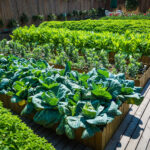

Uneven watering can lead to:
- Split roots
- Woody texture
- Reduced sweetness
Container-grown carrots usually require more frequent watering because compost dries out faster than garden soil.
Don’t Overfeed
It may seem surprising, but carrots don’t need heavy fertilizing.
Too much nitrogen encourages lush leafy tops while reducing root development.
If you’ve enriched the soil with compost before planting, additional fertilizer is often unnecessary. When feeding is needed, choose a balanced fertilizer rather than one that’s high in nitrogen.
Protect Against Carrot Fly
Carrot fly is one of the most common pests affecting carrot crops.
Its larvae tunnel into the roots, making them difficult to use.
You can reduce the risk by:
- Covering crops with insect-proof mesh.
- Practicing crop rotation.
- Avoiding unnecessary disturbance of the foliage during thinning.
- Growing resistant varieties where available.
The smell released when carrot leaves are bruised can attract adult carrot flies, so it’s best to thin seedlings carefully and replace protective mesh immediately afterward.
Growing Carrots in Containers
Don’t have a vegetable patch?
Carrots grow surprisingly well in containers.
For the best results:
- Choose a deep container.
- Use loose, well-draining compost.
- Select shorter carrot varieties if the pot isn’t very deep.
- Water regularly during warm weather.
Containers are particularly useful if your garden has heavy clay soil.
Companion Plants
Some plants grow especially well alongside carrots.
Good companions include:
- Onions
- Chives
- Garlic
- Lettuce
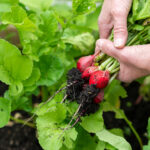
- Radishes
These combinations help make efficient use of space, while strong-smelling crops such as onions may also help confuse certain pests.
Know When They’re Ready
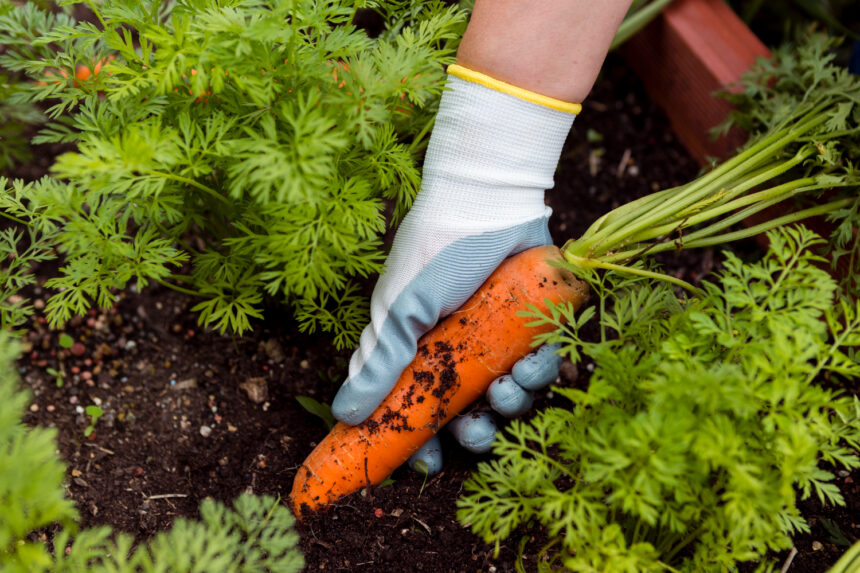
Most carrots reach maturity in 55 to 90 days, depending on the variety.
You’ll know they’re ready when:
- The top of the root begins showing above the soil.
- The shoulders have reached the expected size.
- The foliage is healthy and well developed.
If you’re unsure, gently pull one carrot to check before harvesting the rest. Smaller carrots are often sweeter and more tender than oversized ones.
Common Growing Problems
| Problem | Possible Cause |
|---|---|
| Forked carrots | Stones or compacted soil |
| Small roots | Overcrowding |
| Split carrots | Irregular watering |
| Bitter flavor | Overmature roots or drought stress |
| Holes in carrots | Carrot fly larvae |
| Twisted roots | Poor soil preparation |
Most of these issues can be avoided simply by preparing the soil carefully before sowing.
Frequently Asked Questions
Can carrots grow in pots?
Yes. Deep containers filled with loose, stone-free compost are perfect for growing carrots, especially shorter or round-rooted varieties.
Why are my carrots forked?
Forked carrots are usually caused by compacted soil, stones, or transplanting. Sowing seeds directly into loose soil helps produce straighter roots.
How often should I water carrots?
Water consistently during dry periods to keep the soil evenly moist, but avoid waterlogging. Carrots generally tolerate short dry spells once established, although containers need more frequent watering.
How long do carrots take to grow?
Most varieties are ready to harvest within 55 to 90 days, depending on the type and growing conditions. Early varieties mature faster, while larger maincrop carrots usually take longer.