





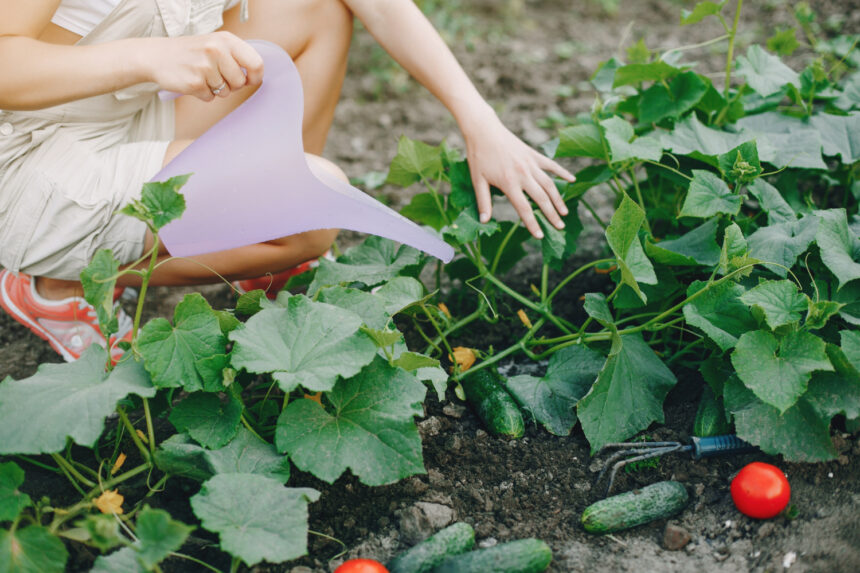
Why Cucumbers Are Great for Home Gardens
Cucumbers are one of the easiest vegetables to grow, making them a fantastic choice for beginners. They’re quick to mature, produce generous harvests, and can be grown in vegetable gardens, raised beds, greenhouses, or even containers on a sunny patio.
- Why Cucumbers Are Great for Home Gardens
- Choose the Right Variety
- Plant Them in a Sunny Spot
- Prepare Rich, Well-Drained Soil
- Start from Seeds or Young Plants
- Give Plants Plenty of Space
- Grow Cucumbers Vertically
- Water Consistently
- Feed During the Growing Season
- Mulch Around the Plants
- Encourage Pollination
- Harvest Frequently
- Watch for Common Problems
- Growing Cucumbers in Containers
- Common Mistakes to Avoid
- Frequently Asked Questions
Whether you enjoy slicing cucumbers for salads or pickling smaller varieties, growing your own guarantees fresher, tastier produce than anything you’ll find at the grocery store. They’re also excellent space-savers when trained to grow vertically.
Choose the Right Variety
Not all cucumbers grow the same way.
| Variety | Best For | Growth Habit |
|---|---|---|
| Slicing Cucumbers | Fresh salads and sandwiches | Usually climbing |
| Pickling Cucumbers | Homemade pickles | Compact or climbing |
| English Cucumbers | Greenhouses and protected growing | Long climbing vines |
| Bush Cucumbers | Containers and small gardens | Compact plants |
If you’re growing in pots or a small garden, bush varieties are often the easiest option, while climbing varieties make excellent use of vertical space.

Plant Them in a Sunny Spot
Cucumbers love warmth and sunshine.
For the healthiest plants and the biggest harvest, choose a location that receives at least 6 to 8 hours of direct sunlight every day.
They also prefer a sheltered position protected from strong winds, which can damage vines and reduce pollination.
Prepare Rich, Well-Drained Soil
Healthy soil makes a noticeable difference to cucumber production.
Before planting:
- Mix plenty of compost into the soil.
- Remove weeds and stones.
- Ensure good drainage.
- Avoid compacted ground.
Cucumbers grow best in fertile soil that holds moisture without becoming waterlogged.
Start from Seeds or Young Plants
You can grow cucumbers from seed or buy young plants from a garden center.
Seeds can be started indoors several weeks before the last expected frost or sown directly outdoors once the soil has warmed and there’s no danger of frost.
Cucumbers dislike cold temperatures, so avoid planting too early in the season. Outdoor planting is generally recommended once temperatures consistently stay above 12°C (53°F).
Give Plants Plenty of Space
Proper spacing improves airflow and helps reduce fungal diseases.
As a general guide:
| Plant Type | Recommended Spacing |
|---|---|
| Bush Cucumbers | 18–24 inches (45–60 cm) |
| Climbing Cucumbers | 12–18 inches (30–45 cm) along a trellis |
Avoid overcrowding, as dense foliage traps moisture and encourages disease.
Grow Cucumbers Vertically
Training cucumbers to climb is one of the easiest ways to improve both plant health and harvests.
Growing vines on a trellis:
- Saves valuable garden space
- Improves air circulation
- Keeps fruit cleaner
- Makes harvesting easier
- Reduces the risk of disease
Install supports before planting to avoid disturbing the roots later. Recent gardening advice continues to recommend staking or trellising climbing varieties for healthier plants and better-quality fruit.
Water Consistently
Cucumbers are made up of mostly water, so regular watering is essential.
Aim to keep the soil consistently moist without allowing it to become soggy.
During hot weather:
- Water deeply.
- Water at the base of the plant.
- Avoid wetting the leaves.
- Check container plants daily.
Inconsistent watering can lead to bitter-tasting cucumbers, misshapen fruit, or reduced production. Most cucumber plants need around 1–2 inches (2.5–5 cm) of water each week, with more required during heatwaves.
Feed During the Growing Season
Cucumbers are fast-growing plants that benefit from regular feeding.
Once flowers begin to appear, use a fertilizer that’s higher in potassium to encourage more flowers and fruit production.
Container-grown cucumbers generally need feeding more frequently because nutrients wash out of the compost more quickly. The RHS recommends feeding container plants every 10–14 days, switching to a high-potash feed once flowering starts.
Mulch Around the Plants
A layer of organic mulch helps cucumbers thrive.
Mulching:
- Conserves soil moisture
- Suppresses weeds
- Keeps roots cooler
- Reduces soil splash onto leaves
Apply mulch after the soil has warmed in late spring.
Encourage Pollination
Most outdoor cucumber varieties rely on bees and other pollinators to produce fruit.
You can attract more pollinators by planting nearby flowers such as:
- Marigolds
- Lavender
- Cosmos
- Nasturtiums
Some greenhouse cucumber varieties are parthenocarpic, meaning they produce fruit without pollination.
Harvest Frequently
One of the biggest secrets to growing lots of cucumbers is harvesting regularly.
Don’t leave fruits on the vine for too long.
Harvest cucumbers when they’re:
- Firm
- Evenly green
- Crisp
- The correct size for their variety
Regular picking encourages plants to continue producing new flowers and fruit throughout the season. Fruits left too long often become yellow, seedy, and signal the plant to slow production.
Watch for Common Problems
Like most vegetables, cucumbers can occasionally develop issues.
| Problem | Possible Cause |
|---|---|
| Yellow leaves | Overwatering, nutrient deficiency, or disease |
| Bitter fruit | Irregular watering or heat stress |
| Powdery mildew | Poor airflow and humid conditions |
| Misshapen cucumbers | Poor pollination or inconsistent watering |
| Yellow fruit | Left on the vine too long |
Inspect plants regularly so problems can be dealt with before they spread.
Growing Cucumbers in Containers
Cucumbers perform surprisingly well in pots if given enough room.
For the best results:
- Choose a container at least 15–24 inches (38–60 cm) wide.
- Use high-quality potting mix.
- Ensure excellent drainage.
- Install a trellis at planting time.
- Water consistently during hot weather.
Compact bush varieties are especially well suited to container gardening, although climbing types can also thrive with sturdy support.
Common Mistakes to Avoid
| Mistake | Better Approach |
|---|---|
| Planting too early | Wait until the weather is consistently warm |
| Letting the soil dry out | Keep moisture consistent |
| Growing without support | Use a trellis for climbing varieties |
| Overcrowding plants | Leave enough room for airflow |
| Waiting too long to harvest | Pick cucumbers regularly |
| Watering overhead | Water at the base of the plant |
Frequently Asked Questions
How long do cucumbers take to grow?
Most cucumber varieties are ready to harvest 50 to 70 days after planting, depending on the variety and growing conditions.
Can cucumbers grow in pots?
Yes. Bush varieties are particularly well suited to containers, while climbing varieties also perform well in large pots with a sturdy trellis.
Why are my cucumbers bitter?
Bitterness is often caused by inconsistent watering, prolonged heat, or plant stress. Keeping the soil evenly moist usually helps improve fruit quality.
How many cucumbers can one plant produce?
A healthy cucumber plant can often produce 15 to 30 cucumbers over a growing season, depending on the variety, weather, and care it receives. Regular harvesting encourages even more fruit production.