





Why the Right Gardening Tools Matter
Starting a garden is exciting, but walking into a garden center can quickly become overwhelming. Shelves are packed with dozens of tools, each claiming to be essential. The truth is that most beginners only need a small collection of reliable equipment to complete nearly every gardening task.
- Why the Right Gardening Tools Matter
- The 10 Essential Gardening Tools Every Beginner Needs
- Hand Trowel: The Tool You’ll Use Most
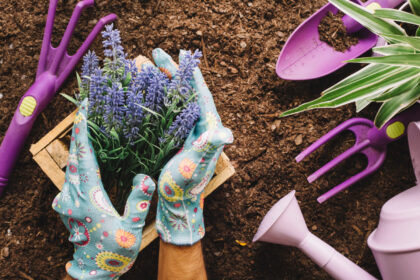
- Gardening Gloves
- Pruning Shears
- Garden Fork
- Spade vs. Shovel
- Watering Equipment
- Garden Rake
- Hoe
- Wheelbarrow or Garden Cart
- Kneeling Pad
- Optional Tools Worth Adding Later
- How to Choose Quality Gardening Tools
- Common Mistakes Beginners Make
- Caring for Your Gardening Tools
Investing in a few high-quality tools from the beginning will save you time, reduce physical strain, and make gardening much more enjoyable. Experts consistently recommend prioritizing durable, multi-purpose tools over buying large tool sets filled with items you’ll rarely use.
The 10 Essential Gardening Tools Every Beginner Needs
Here’s a quick overview of the tools that belong in every beginner’s gardening kit.
| Tool | Main Purpose | Essential? |
|---|---|---|
| Hand Trowel | Planting and transplanting | ✅ |
| Gardening Gloves | Protecting your hands | ✅ |
| Pruning Shears | Trimming plants | ✅ |
| Garden Fork | Loosening soil | ✅ |
| Spade or Shovel | Digging larger holes | ✅ |
| Watering Can or Hose | Watering plants | ✅ |
| Garden Rake | Leveling soil and clearing debris | ✅ |
| Hoe | Removing weeds | ⭐ Nice to Have |
| Wheelbarrow or Garden Cart | Moving soil and mulch | ⭐ Nice to Have |
| Kneeling Pad | Comfort while gardening | ⭐ Nice to Have |
Hand Trowel: The Tool You’ll Use Most
If you only buy one gardening tool, make it a hand trowel.
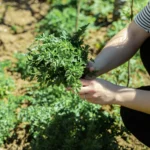
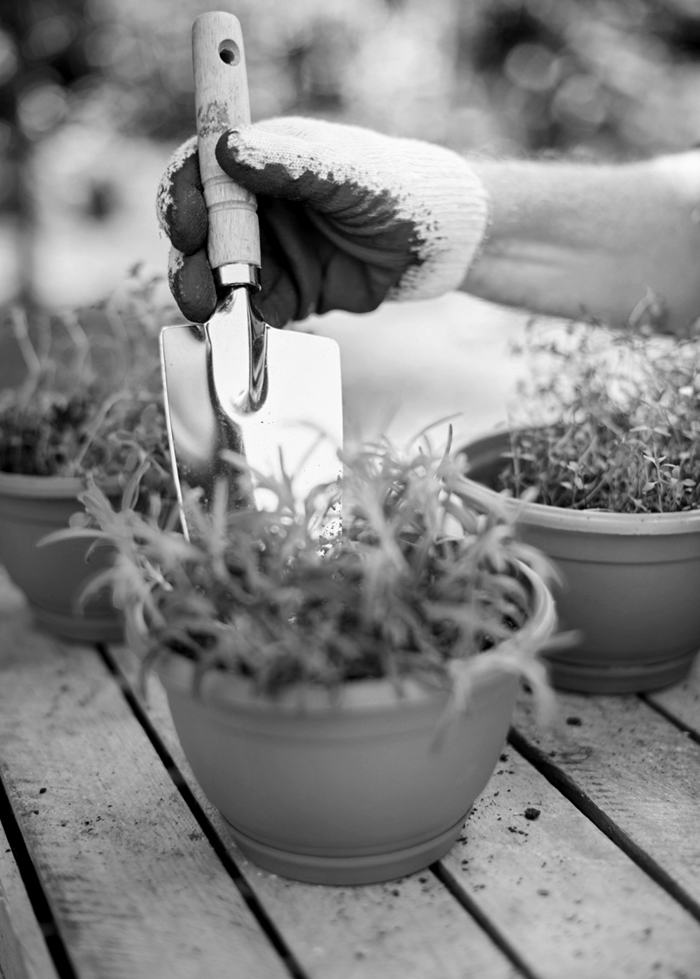
A trowel is incredibly versatile and can be used for planting flowers, transplanting seedlings, digging small holes, removing weeds, mixing compost into the soil, and even harvesting certain root vegetables.
Look for one with a stainless steel blade, a comfortable ergonomic handle, and a sturdy construction that won’t bend under pressure. Many gardeners consider it the single most useful hand tool in the garden.
Gardening Gloves
Gardening can be tough on your hands.
Quality gloves protect against:
- Thorns
- Splinters
- Blisters
- Dirt
- Sharp stones
- Insect bites
Choose gloves that fit snugly while still allowing you to grip tools comfortably. Breathable materials work well during warm weather, while thicker leather gloves offer better protection when pruning thorny plants or handling rough materials.
Pruning Shears
Healthy plants need regular pruning, and a good pair of bypass pruning shears makes the job much easier.
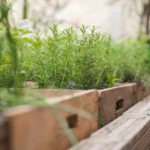
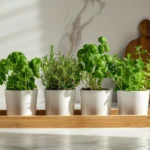
They’re ideal for:
- Removing dead branches
- Harvesting herbs
- Trimming flowers
- Cutting small stems
- Shaping shrubs
Bypass pruners make cleaner cuts than anvil-style pruners, reducing damage to living stems and helping plants recover more quickly.
Garden Fork
A garden fork is one of the most underrated tools for beginners.
Unlike a shovel, it penetrates compacted soil with less effort and is perfect for:
- Loosening hard soil
- Mixing compost
- Turning organic matter
- Lifting root crops
- Breaking up clay
If your garden has heavy soil, a garden fork will quickly become one of your favorite tools.
Spade vs. Shovel
Many beginners think these tools are interchangeable, but they serve different purposes.
| Spade | Shovel |
|---|---|
| Flat blade | Rounded blade |
| Edging beds | Digging holes |
| Cutting roots | Moving soil |
| Creating straight edges | Lifting mulch or gravel |
If you’re only buying one, choose based on your gardening plans. Vegetable gardeners often benefit more from a spade, while larger landscaping projects may require a shovel.
Watering Equipment
Every garden needs a reliable way to stay hydrated.
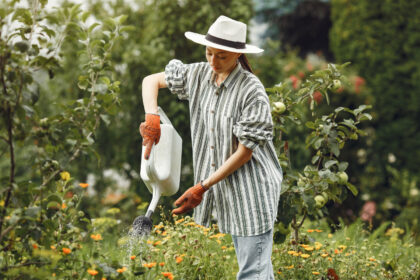
For small gardens and container plants, a watering can provides precise control and gentle watering that won’t disturb seedlings.
Larger gardens are usually easier to maintain with a quality garden hose fitted with an adjustable spray nozzle.
Watering deeply and consistently is generally more effective than frequent light watering, helping plants develop stronger root systems.
Garden Rake
A garden rake does much more than collect leaves.
It’s useful for:
- Smoothing soil
- Preparing seedbeds
- Removing rocks
- Spreading mulch
- Breaking up soil clumps
A sturdy rake helps create an even planting surface, improving seed-to-soil contact and encouraging better germination.
Hoe
Weeding is one of the most time-consuming gardening tasks, and a hoe can dramatically reduce the effort required.
Rather than pulling weeds by hand, a sharp hoe slices them just below the soil surface before they become established.
Several types are available, including Dutch hoes and oscillating hoes, both popular among experienced gardeners for keeping beds weed-free with minimal effort.
Wheelbarrow or Garden Cart
You may not need one immediately, but as your garden grows, moving heavy materials becomes much easier with a wheelbarrow or garden cart.
They’re invaluable for transporting:
- Compost
- Mulch
- Soil
- Plants
- Rocks
- Garden waste
Even a compact model can save countless trips around the garden.
Kneeling Pad
Gardening often involves long periods close to the ground.
A simple kneeling pad helps reduce pressure on your knees and lower back, making planting, weeding, and harvesting far more comfortable.
Some gardeners eventually upgrade to folding garden seats that double as kneeling supports.
Optional Tools Worth Adding Later
Once you’ve gained experience, you may want to expand your collection.
Some excellent additions include:
| Tool | Best For |
|---|---|
| Hori Hori Knife | Digging, cutting and weeding |
| Soil Tester | Checking pH and nutrients |
| Loppers | Thick branches |
| Hand Cultivator | Loosening soil |
| Garden Sprayer | Applying treatments |
| Plant Labels | Organizing seedlings |
| Twine and Plant Ties | Supporting climbing plants |
| Soil Scoop | Filling containers |
These aren’t essential during your first season but can make gardening more efficient as your skills develop.
How to Choose Quality Gardening Tools
Not all gardening tools are built to last.
When shopping, look for:
- Stainless steel heads that resist rust
- Comfortable ergonomic handles
- Solid construction with no loose parts
- Lightweight designs that reduce fatigue
- Replaceable components when available
While quality tools may cost more initially, they often last for many years and perform far better than cheaper alternatives. Experts generally recommend buying fewer, better-quality tools rather than replacing inexpensive ones every season.
Common Mistakes Beginners Make
Avoid these common purchasing mistakes:
- Buying every tool available before you actually need it.
- Choosing the cheapest option instead of focusing on durability.
- Ignoring comfort and ergonomics.
- Forgetting to clean tools after use.
- Leaving metal tools outdoors where they can rust.
Starting with the basics and expanding your collection gradually is usually the smartest approach.
Caring for Your Gardening Tools
Proper maintenance keeps your tools working efficiently for years.
After each use:
- Remove dirt and debris.
- Dry metal parts thoroughly.
- Sharpen cutting blades regularly.
- Lightly oil moving parts on pruners and loppers.
- Store tools in a dry location.
A few minutes of maintenance after each gardening session can significantly extend the lifespan of your equipment.
You don’t need an expensive collection of specialized equipment to become a successful gardener. A reliable hand trowel, sturdy gloves, quality pruning shears, a garden fork, a watering tool, and a few basic accessories will handle the vast majority of gardening tasks.
As your confidence grows, you’ll naturally discover which additional tools suit your style of gardening. Start small, invest in quality where it matters most, and remember that the best gardening tool isn’t n