





Starting Too Big
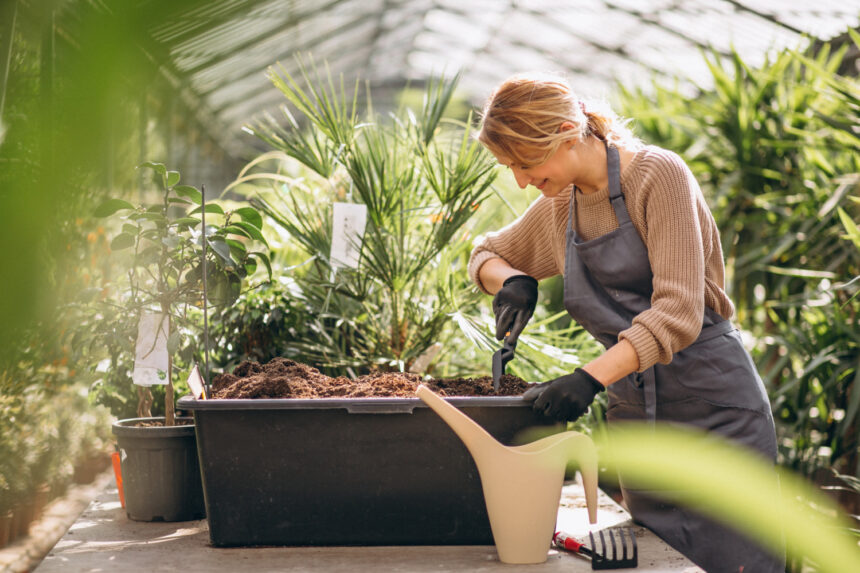
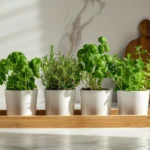
One of the biggest mistakes gardening beginners make is trying to grow everything at once. It’s tempting to fill every available space with vegetables, flowers, herbs, and shrubs, but large gardens require far more time and maintenance than most people expect.
Instead, start with a small garden that you can comfortably manage. As your confidence grows, you can gradually expand each season. A smaller, well-maintained garden will almost always outperform a large, neglected one. Experts consistently recommend beginning with a manageable space rather than taking on too much.
Planting in the Wrong Location
Not every plant thrives in the same conditions. Some require full sun, while others prefer partial shade or cooler environments.
Before buying plants, spend time observing your yard. Note how much sunlight different areas receive throughout the day and choose plants that match those conditions. Planting a sun-loving vegetable in deep shade—or a shade-loving flower in direct sunlight—will usually lead to poor growth, regardless of how well you care for it.

Ignoring Your Soil
Healthy soil is the foundation of every successful garden, yet many people overlook it.
Rather than planting directly into poor-quality soil, improve it with compost and organic matter. If possible, perform a simple soil test to check nutrient levels and pH before adding fertilizers or soil amendments.
Strong roots develop in healthy soil, making this one of the most important investments you can make for long-term gardening success.
Overwatering Your Plants
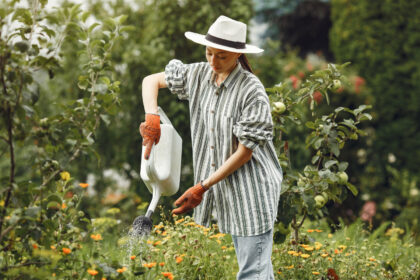
Many new gardeners believe more water equals healthier plants. In reality, overwatering is one of the fastest ways to damage roots.
Instead of watering every day, check the soil first. If the top inch is still moist, your plants probably don’t need additional water yet. When watering, soak the soil deeply rather than giving plants a light daily sprinkle.
Experts also recommend watering at the base of the plant instead of wetting the leaves, as damp foliage can increase the risk of fungal diseases. Morning watering is generally the best choice because it allows excess moisture to evaporate throughout the day.
Planting Too Close Together
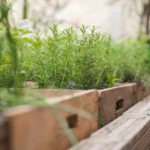
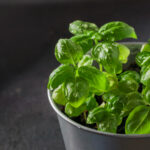
Crowding plants may make a garden look full at first, but it often creates problems later.
Plants compete for sunlight, nutrients, airflow, and water. Poor spacing can also encourage diseases by trapping moisture between leaves.
Always follow the spacing recommendations on seed packets or plant labels, even if the empty space initially looks excessive. Your plants will quickly grow into that room.
Pruning at the Wrong Time
Pruning helps many plants stay healthy, but timing matters.
Cutting back shrubs or flowering plants too late in the growing season can remove next year’s flower buds or encourage tender new growth that won’t survive cooler weather. Many gardening experts advise researching each plant’s pruning schedule before making major cuts.
Forgetting About Mulch
Many beginners skip mulching because it seems optional, but it can make gardening much easier.
A layer of organic mulch helps the soil retain moisture, suppresses weeds, regulates soil temperature, and slowly improves soil quality as it breaks down.
Applying mulch around plants can significantly reduce maintenance while creating healthier growing conditions.


Expecting Instant Results
Gardening rewards patience.
Seeds don’t always germinate perfectly, weather can change unexpectedly, and even experienced gardeners occasionally lose plants. Rather than becoming discouraged, treat every season as a learning opportunity.
Keeping simple notes about what worked—and what didn’t—will help you improve year after year. The most successful gardeners aren’t those who never make mistakes, but those who learn from them and continue growing.
Learn Through Experience
No garden is perfect, and that’s part of the journey. Every mistake teaches a valuable lesson that makes you a better gardener over time.
Focus on building healthy soil, choosing the right plants, watering wisely, and maintaining your garden consistently instead of chasing perfection. With patience and practice, you’ll spend less time fixing problems and more time enjoying a beautiful, productive garden.