







What is the anti inflammatory diet
An anti inflammatory diet is not one standardized diet with strict rules or a mandatory list of diet foods. Instead, it is an eating plan built around whole or minimally processed foods associated with healthier inflammatory responses, while limiting foods that may contribute to chronic inflammation. In practice, the best-supported antiinflammatory diets look remarkably similar to mediterranean diets and the dash diet: plenty of fruits and vegetables, whole grains, legumes, nuts and seeds, olive oil, and fatty fish, with less processed meat, refined carbohydrates, added sugar, and highly processed food. Current guidance from Harvard Health stresses that there is no single official anti-inflammatory diet; the overall dietary pattern matters more than finding one magical antiinflammatory food.
- What is the anti inflammatory diet
- Why Is Everyone Talking About Inflammation?
- What Does an Anti-Inflammatory Diet Look Like?
- Why Fruits and Vegetables Matter So Much
- The Important Role of Fat
- Foods to Avoid—or at Least Eat Less Often
- Mediterranean Diet vs. Anti-Inflammatory Diet
- Anti-Inflammatory Eating and Heart Health
- Can an Anti-Inflammatory Diet Help Arthritis?
- What About Ulcerative Colitis and Inflammatory Bowel Disease?
- Can Diet Help Multiple Sclerosis?
- Does an Anti-Inflammatory Diet Help With Weight Loss?
- Blood Sugar and Metabolic Health
- Can Anti-Inflammatory Eating Improve Mental Health?
- A Realistic One-Day Anti-Inflammatory Eating Plan
- The Dos and Donts That Actually Matter
- Frequently Asked Questions
- The Bottom Line
Why Is Everyone Talking About Inflammation?
Inflammation isn’t automatically bad. Acute inflammation is an essential part of the body’s response to infection or injury. If you cut your finger, for example, inflammatory processes help your immune system respond and begin repairing damaged tissue.
The concern is persistent, low-level inflammation in the body. Chronic inflammation means inflammatory activity remains elevated longer than it should, and it has been associated with numerous chronic diseases, including cardiovascular disease, type 2 diabetes, inflammatory bowel diseases, and rheumatoid arthritis. Lifestyle factors—including smoking, physical inactivity, obesity, chronic stress, poor sleep, and dietary patterns—can influence inflammatory processes.
That doesn’t mean inflammation is the single cause inflammation pathway behind every illness, nor does eating blueberries “switch inflammation off.” Nutrition is one piece of a much larger biological puzzle. The risks of chronic inflammation depend on genetics, existing disease, lifestyle, environmental exposures, and many other factors.

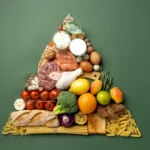

The useful question is therefore not “Which food eliminates inflammation?” It is “Which long-term eating pattern supports overall health while potentially reducing chronic inflammatory activity?”
What Does an Anti-Inflammatory Diet Look Like?
A practical guide to an antiinflammation eating pattern starts with ordinary foods rather than supplements, powders, or expensive superfoods. A good rule is to make plants the foundation of most meals and add minimally processed sources of protein and healthy fats.
Think about your plate visually. Half might contain vegetables, a quarter a high-fiber carbohydrate such as brown rice, barley, or beans, and the remaining portion fish, lentils, poultry, tofu, or another protein. Add olive oil, avocado, nuts, or seeds where appropriate.
If you want to follow an antiinflammatory diet, these are useful staples:
- Colorful fruits such as berries, cherries, oranges, grapes, pomegranates, and plums
- Leafy green vegetables such as spinach, kale, and collards
- Other fruit vegetables combinations including tomatoes, peppers, broccoli, carrots, and squash
- Beans, lentils, chickpeas, oats, barley, and other fiber-rich whole grains
- Walnuts, almonds, chia, flax, pumpkin seeds, and other nuts and seeds
- Fatty fish including salmon, sardines, mackerel, tuna, and anchovies
- Extra-virgin olive oil
- Herbs and spices including ginger, turmeric, cinnamon, garlic, rosemary, and oregano
Harvard Health identifies vegetables, fruits, whole grains, legumes, fish, nuts, seeds, olive oil, and other minimally processed foods among sensible choices for an anti-inflammatory eating pattern.
No single item needs to appear every day. Variety matters more.



Why Fruits and Vegetables Matter So Much
If you make only one major dietary change, increasing the variety of plants you eat is a sensible place to begin. Fruits and vegetables provide fiber, vitamins, minerals, antioxidants, polyphenols, carotenoids, and numerous other plant compounds.
Brightly colorful fruits and vegetables are particularly useful because different colors often indicate different groups of phytochemicals. Berries provide anthocyanins, while tomatoes contain lycopene and carrots contain carotenoids. Dark leafy vegetables contribute still another nutritional profile.
This doesn’t mean you need exotic ingredients. Frozen berries, canned tomatoes, ordinary carrots, cabbage, spinach, apples, oranges, and frozen vegetables can all fit into healthy eating.
Harvard Health recommends emphasizing the overall pattern rather than obsessing over individual foods. Plant-rich eating patterns also provide fiber that supports the gut microbiome, which is one potential pathway through which diet may influence inflammation.
The Important Role of Fat
For decades, dietary fat was treated as though all types were equally undesirable. We now know the picture is more nuanced. The type of fat matters.
Unsaturated fatty acids from olive oil, nuts, seeds, avocado, and fish generally fit well within heart-healthy dietary patterns. Omega3 fatty acids, particularly EPA and DHA found in oily fish, have been extensively investigated for their relationship with inflammatory processes.
The Arthritis Foundation, for example, recommends fish rich in omega-3s as part of an anti-inflammatory eating pattern and notes evidence involving reductions in inflammatory proteins such as C-reactive protein and interleukin-6.
You may also encounter claims that omega6 fatty acids are inherently inflammatory and therefore need to be eliminated. That is an oversimplification. Omega-6 fats are essential nutrients, and foods containing them—particularly nuts, seeds, and vegetable oils—can form part of a healthy diet. The bigger practical priority is improving overall dietary quality rather than becoming frightened of one category of essential fat.

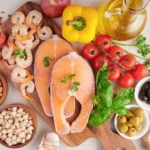

At the same time, limit trans fats and avoid routinely getting excessive amounts of saturated fat from diets dominated by butter, fatty meats, processed meats, fried foods, and heavily processed products. Replacing unhealthy fats with unsaturated alternatives is more useful than simply trying to make your diet extremely low in fat.
Foods to Avoid—or at Least Eat Less Often
The phrase foods to avoid can make nutrition unnecessarily rigid. Unless you have an allergy, intolerance, or medical reason to exclude something, most people do not need a permanently forbidden-food list.
Instead, think about foods to limit. The main foods that cause inflammation concerns are dietary patterns dominated by ultraprocessed foods, sugary drinks, refined grains, processed meats, and excessive amounts of certain high-calorie foods. Harvard’s 2026 guidance specifically recommends minimizing ultra-processed foods, refined flour products, processed and cured meats, and foods high in added sugar.
Foods worth reducing include:
- Sugary soft drinks and frequent sweets
- Processed snacks such as many packaged pastries, chips, and confectionery products
- Processed meat, including frequent hot dogs, sausages, and certain cured meats
- Large amounts of red meats
- White bread, sugary cereals, and other refined carbs
- Foods containing industrial trans fats
- Diets consistently high in added sugars
- Large amounts of fried or highly processed foods
It is more accurate to say these foods that cause concern may contribute to a dietary pattern associated with promoting inflammation, metabolic problems, or weight gain than to claim one serving immediately “causes inflammation.”
Processed foods also exist on a spectrum. Frozen vegetables, canned beans, yogurt, canned fish, and whole-grain bread are processed to some degree but can still be nutritious. Minimizing processed food should primarily mean reducing heavily refined, nutrient-poor products rather than refusing anything that comes in packaging.
Mediterranean Diet vs. Anti-Inflammatory Diet
You don’t necessarily need to search for a specialized anti-inflammatory program. The Mediterranean eating pattern already incorporates most of the important principles.
Traditional Mediterranean-style eating emphasizes vegetables, fruits, legumes, whole grains, nuts, olive oil, fish, and relatively modest amounts of meat and highly processed foods. Harvard Health Publishing identifies the Mediterranean and DASH diets as two established dietary patterns that incorporate many anti-inflammatory characteristics.
The Mediterranean approach is particularly attractive because it isn’t organized around deprivation. Olive oil isn’t treated as something to fear, bread isn’t universally prohibited, and meals can remain flavorful and satisfying.
The DASH approach is another excellent option, particularly for people concerned about blood pressure. It emphasizes vegetables, fruits, whole grains, low-fat dairy, fish, poultry, beans, and nuts while limiting foods high in saturated fat and added sugar. It was originally designed to lower blood pressure but overlaps substantially with anti-inflammatory principles.
The carnivore diet, by contrast, eliminates or dramatically restricts plant foods and therefore removes many sources of fiber, polyphenols, and other compounds emphasized in evidence-supported anti-inflammatory patterns. Current evidence does not support recommending a carnivore diet as a standard anti-inflammatory approach.
Anti-Inflammatory Eating and Heart Health
Many of the potential health benefits attributed to antiinflammatory eating overlap with established cardiovascular nutrition advice. Eating more vegetables, fruit, whole grains, legumes, fish, nuts, and unsaturated oils while reducing highly processed food can support heart health independent of whether you label the diet “anti-inflammatory.”
This matters because cardiovascular heart disease doesn’t result from inflammation alone. Cholesterol, blood pressure, smoking, diabetes, genetics, physical activity, age, and numerous other factors contribute.
Nevertheless, dietary patterns emphasizing plant foods and unsaturated fats are associated with reducing the risk of cardiovascular disease. Harvard’s review of Mediterranean-style eating also highlights its association with lower rates of several inflammation-related diseases.
If you have high cholesterol, diabetes, hypertension, or existing cardiovascular disease, dietary changes should complement—not replace—your established health care plan.
Can an Anti-Inflammatory Diet Help Arthritis?
Diet receives enormous attention among people with rheumatoid arthritis, osteoarthritis, and chronic pain. Unfortunately, online claims sometimes promise far more than food can realistically deliver.
The Arthritis Foundation recommends Mediterranean-style eating rich in fish, vegetables, fruit, olive oil, whole grains, nuts, seeds, and beans. Research has found potential improvements in pain, morning stiffness, physical function, and some inflammatory markers among people with rheumatoid arthritis following Mediterranean-style patterns.
Omega-3-rich fish may be particularly useful. However, diet does not replace disease-modifying medication for inflammatory arthritis. Untreated rheumatoid arthritis can cause irreversible joint damage, so dietary strategies should be considered supportive rather than curative.
The same caution applies to pain more generally. If you have persistent knee, back, abdominal, or joint pain, don’t assume that changing your diet addresses the underlying cause.
What About Ulcerative Colitis and Inflammatory Bowel Disease?
Nutrition becomes more individualized for ulcerative colitis and other forms of inflammatory bowel disease. A food that works perfectly well for one person may worsen gastrointestinal symptoms in another, particularly during a flare.
There is no universal anti-inflammatory menu that cures inflammatory bowel disease. Treatment can involve medication, nutrition management, monitoring, and sometimes surgery depending on the condition and its severity.
Anyone with inflammatory bowel disease considering substantial dietary restrictions should ideally work with a gastroenterologist and registered dietitian familiar with the condition. Eliminating large categories of food without professional guidance can create nutritional deficiencies without necessarily improving inflammation.
Can Diet Help Multiple Sclerosis?
Diet is also frequently discussed in relation to multiple sclerosis and other autoimmune diseases. A nutritious dietary pattern may support general health, cardiovascular health, weight management, and adequate nutrient intake, but it should not be promoted as a replacement for evidence-based MS treatment.
Claims that one restrictive diet “reverses” autoimmune disease should be treated cautiously. Patient testimonials and success stories can be emotionally compelling, but they are not equivalent to controlled clinical evidence.
People with autoimmune health conditions should discuss major dietary changes with their healthcare team, particularly when taking medications or experiencing swallowing problems, digestive symptoms, fatigue, or unintended weight changes.
Does an Anti-Inflammatory Diet Help With Weight Loss?
It can, but weight loss isn’t automatic. Olive oil, nuts, seeds, and avocado are nutritious foods, yet they are energy-dense. Eating unlimited quantities will not necessarily help someone lose weight.
The advantage of an anti-inflammatory pattern for weight management is that it tends to emphasize filling, nutrient-dense foods such as vegetables, fruit, legumes, whole grains, and protein while reducing many highly palatable, calorie-dense processed foods. That can make an appropriate calorie intake easier for some people without obsessively counting everything.
You also don’t need a branded weight loss program to benefit from these principles. If weight loss is medically appropriate for you, portion size, overall calorie intake, physical activity, sleep, medications, medical conditions, and eating behavior all matter.
Avoid judging the benefits of an antiinflammatory diet exclusively by what happens on the scale. Improved dietary quality can be worthwhile even without major weight change.
Blood Sugar and Metabolic Health
Replacing sugary drinks and refined carbohydrates with whole grains, legumes, vegetables, fruit, and protein can also support more stable blood sugar. Fiber slows digestion and generally makes meals more filling, while minimally processed carbohydrates often produce different metabolic responses than highly refined alternatives.
For someone with diabetes, however, “anti-inflammatory” does not mean carbohydrate intake can be ignored. Portion sizes, medication, glucose response, meal timing, and overall carbohydrate intake may still require individualized attention.
This is another reason to be skeptical of rigid internet meal plans. The ideal diet for a healthy 25-year-old athlete isn’t automatically appropriate for a 70-year-old with diabetes, kidney disease, hypertension, and several medications.
Can Anti-Inflammatory Eating Improve Mental Health?
Researchers are increasingly interested in relationships between nutrition, inflammation, the gut microbiome, and mental health. However, this field remains complex, and diet should not be presented as a standalone treatment for depression, anxiety, bipolar disorder, or other psychiatric illnesses.
A nutritious eating pattern can support general physical and psychological well-being. Regular meals, sufficient protein, fiber-rich carbohydrates, omega-3-containing foods, fruits, vegetables, and adequate micronutrient intake are reasonable foundations.
But “eat better and your depression will disappear” is neither accurate nor compassionate. Mental-health conditions can require psychotherapy, medication, social support, sleep interventions, and other forms of professional care.
A Realistic One-Day Anti-Inflammatory Eating Plan
You do not need complicated recipes to start following an antiinflammatory eating pattern. Breakfast could be oatmeal topped with blueberries, walnuts, cinnamon, and plain yogurt. That gives you whole grains, fruit, healthy fat, protein, and fiber without requiring an expensive supplement.
For lunch, try a large salad made with spinach, tomatoes, cucumber, peppers, chickpeas, seeds, and an olive-oil-based dressing. Add whole-grain bread or another carbohydrate if needed.
Dinner could be salmon with roasted broccoli and sweet potato, followed by fresh fruit. If you need a snack, consider an apple with nut butter, vegetables with hummus, yogurt and berries, or a handful of nuts.
This is only an example—not a prescription. Your cultural preferences, budget, allergies, medical needs, cooking ability, and access to food should shape your actual meals.
The Dos and Donts That Actually Matter
The useful dos and donts of anti-inflammatory eating are refreshingly straightforward. Do eat more vegetables, fruit, legumes, whole grains, nuts, seeds, fish, and unsaturated fats. Do cook more meals from basic ingredients when practical, and do use herbs and spices to make nutritious food enjoyable.
Don’t become obsessed with eliminating individual foods because an influencer called them “toxic.” Don’t spend large amounts of money on supplements promising to fight inflammation overnight. And don’t assume every symptom you experience is evidence that your body is “inflamed.”
Most importantly, don’t turn an anti-inflammatory diet into an unnecessarily restrictive lifestyle. Sustainable eating patterns work because they can be maintained for years, not because someone follows them perfectly for eleven days.
Frequently Asked Questions
Anti inflammatory diet kaun si hoti hai
In Hindi, this essentially asks which type of diet is considered anti-inflammatory. There isn’t one official diet, but a Mediterranean-style eating pattern is among the best-supported choices. It emphasizes vegetables, fruits, whole grains, legumes, nuts, seeds, fish, and olive oil while limiting highly processed foods, sugary drinks, refined carbohydrates, and processed meats.
Indian foods can easily fit this approach. Dal, chana, rajma, vegetables, fruit, whole grains, nuts, seeds, yogurt, fish, and spices can form an excellent foundation without adopting a Western menu.
Anti inflammatory diet knee pain
An anti-inflammatory eating pattern may be helpful as part of overall management for some causes of knee pain, particularly when arthritis or excess body weight is involved. Mediterranean-style diets and omega-3-rich foods have been investigated for inflammatory arthritis, while appropriate weight reduction can decrease mechanical stress on weight-bearing joints.
Diet cannot tell you why your knee hurts. Persistent pain, swelling, instability, redness, significant injury, or difficulty bearing weight warrants proper medical assessment.
Anti inflammatory diet kerala style
A Kerala-style anti-inflammatory diet does not require abandoning traditional food. Build meals around vegetables, pulses, beans, fish, fruit, herbs, spices, and appropriate portions of minimally processed grains. Sardines and other oily fish can provide omega3 fatty acids, while traditional spices can add flavor without relying on heavily processed sauces.
The important consideration is the overall pattern. Cooking method, portion size, vegetable intake, and frequency of fried foods, sweets, refined grains, and processed meats matter more than whether a meal carries an “anti-inflammatory” label.
Anti inflammatory diet kerala
A Kerala diet can be adapted to anti-inflammatory principles using familiar foods such as fish curry, vegetable thoran, lentil dishes, beans, leafy vegetables, fruit, nuts, seeds, and minimally refined grains. Coconut can remain part of the diet, but it is high in saturated fat, so the total amount and the rest of the dietary pattern matter, particularly for people managing cardiovascular risk.
There is no scientific requirement to eat berries, quinoa, or imported “superfoods.” Locally available whole foods can provide excellent nutrition.
Anti inflammatory diet kya hai
This Hindi phrase means “What is an anti-inflammatory diet?” Simply put, it is an eating pattern emphasizing whole plant foods, healthy unsaturated fats, fish and other nutritious protein sources while reducing highly processed foods, excess added sugar, refined carbohydrates, processed meat, and unhealthy fats.
Its purpose is not to cure disease but to support overall health and potentially reduce dietary factors associated with chronic inflammation. Mediterranean and DASH-style eating patterns are practical evidence-based models.
Anti inflammatory diet Korean
A Korean-style anti-inflammatory pattern could emphasize vegetables, mushrooms, tofu, legumes, seaweed, fish, whole or minimally refined grains, sesame seeds, fruit, and other minimally processed ingredients. Traditional Korean cuisine can provide substantial plant diversity, making it relatively straightforward to adapt.
One consideration is sodium. Kimchi and other fermented foods can contribute useful vegetables and flavor, but some traditional foods and sauces can be high in sodium. People managing high blood pressure may need to pay particular attention to portions and overall sodium intake.
Anti inflammatory diet kid friendly
For children, avoid framing food around “detoxing,” dieting, weight loss, or frightening lists of forbidden foods. A kid friendly anti-inflammatory pattern is essentially balanced healthy eating: colorful fruit, vegetables, whole grains, beans, yogurt or other suitable dairy foods, eggs, fish, lean proteins, nut or seed products when age-appropriate and allergy-safe, and healthy oils.
Make meals familiar rather than medicinal. Oatmeal with berries, yogurt with fruit, whole-grain toast with nut butter, bean quesadillas, vegetable pasta, salmon with potatoes, or homemade chicken and vegetable dishes can all work.
Children have different energy and nutrient requirements from adults. If a child has allergies, gastrointestinal disease, poor growth, significant food restrictions, or another medical condition, involve a pediatrician or pediatric dietitian before introducing a restrictive diet.
The Bottom Line
The most useful lesson from anti-inflammatory nutrition is surprisingly unexciting: you don’t need an exotic diet. The strongest practical approach looks much like the healthy eating advice experts have recommended for years—eat plenty of plants, choose whole grains and legumes, include nuts, seeds and fish, use unsaturated oils such as olive oil, and eat fewer highly processed foods.
Evidence summarized by Harvard Health Publishing, the Arthritis Foundation, and the Mayo Clinic supports Mediterranean-style dietary patterns as a practical foundation rather than relying on individual “superfoods.”
The goal isn’t to achieve zero inflammation. Your body needs inflammation for healing and immune defense. The more realistic goal is supporting long-term health by eating in a way associated with healthier inflammatory responses, better cardiovascular and metabolic health, and a lower risk of several chronic diseases.
If you have rheumatoid arthritis, inflammatory bowel disease, multiple sclerosis, diabetes, cardiovascular disease, or another medical condition, nutrition should complement appropriate treatment rather than replace it. A registered dietitian or other qualified healthcare professional can personalize your diet around medications, symptoms, nutritional requirements, and cultural preferences.
This article provides general information and is not a substitute for medical advice diagnosis or individualized advice diagnosis or treatment. Seek professional care when making major dietary changes to manage a medical condition, and look for health information that is appropriately medically reviewed with clear evidence and additional information about its limitations.