





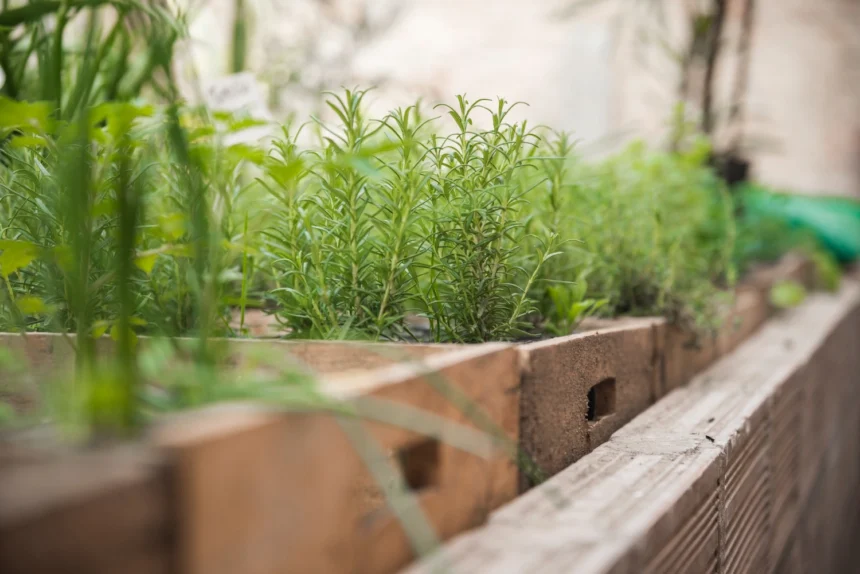
Why Some Herbs Make Better Neighbors Than Others
When planning an herb garden, it’s tempting to plant all your favorite herbs together in one large container or raised bed. However, herbs don’t all have the same needs. Some thrive in dry, sunny conditions, while others prefer richer soil and more consistent moisture.
- Why Some Herbs Make Better Neighbors Than Others
- Group 1: Mediterranean Herbs
- Why This Combination Works
- Group 2: Moisture-Loving Herbs
- Basil and Parsley: A Popular Pair
- Chives Fit Almost Anywhere
- Cilantro Needs Slightly Different Timing
- Herbs That Should Stay in Their Own Containers
- Herbs That Grow Well in Containers
- Companion Herbs for Vegetable Gardens
- Pair Herbs Based on Their Growing Conditions
- Should You Mix Annuals and Perennials?
- Herbs That Don’t Mix Well
- Planning a Beginner-Friendly Herb Garden
- Common Mistakes When Grouping Herbs
- Frequently Asked Questions
Grouping herbs with similar light, watering, and soil requirements creates healthier plants and makes day-to-day care much simpler. It also helps prevent common problems like overwatering drought-tolerant herbs or allowing moisture-loving plants to dry out. (rhs.org.uk)
Group 1: Mediterranean Herbs
Many of the world’s most popular culinary herbs originate from the Mediterranean, where hot summers, well-drained soils, and long hours of sunshine are the norm.
These herbs naturally grow well together because they all enjoy similar conditions.
| Herb | Sun | Water Needs |
|---|---|---|
| Rosemary | Full sun | Low |
| Thyme | Full sun | Low |
| Oregano | Full sun | Low |
| Sage | Full sun | Low |
| Marjoram | Full sun | Low to moderate |
| Lavender | Full sun | Low |
This group prefers:
- At least 6–8 hours of direct sunlight
- Well-drained soil
- Moderate to low watering
- Good air circulation
Because they dislike constantly wet roots, they’re excellent choices for gravel gardens, raised beds, rock gardens, and terracotta containers.
Why This Combination Works
Mediterranean herbs all evolved in similar climates, making them naturally compatible.
Instead of watering every day, you can allow the soil to dry slightly between waterings without causing problems.
This also reduces the risk of root rot, one of the most common reasons rosemary and lavender fail in home gardens.
Group 2: Moisture-Loving Herbs
Some herbs appreciate richer soil and more regular watering.
These include:
| Herb | Sun | Water Needs |
|---|---|---|
| Basil | Full sun | Moderate |
| Parsley | Sun to partial shade | Moderate |
| Chives | Sun to partial shade | Moderate |
| Cilantro | Full sun to partial shade | Moderate |
These herbs generally benefit from:
- Soil that stays evenly moist
- Regular harvesting
- Compost-rich growing conditions
Because their care requirements are similar, they’re excellent companions in raised beds or large containers.
Basil and Parsley: A Popular Pair
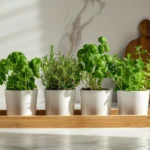
Basil and parsley are often grown together because both appreciate fertile soil and consistent moisture.
They’re also two of the most frequently used culinary herbs, making this combination especially practical for kitchen gardens.
With regular harvesting, both plants remain productive throughout much of the growing season.
Chives Fit Almost Anywhere
Chives are remarkably adaptable.
They pair well with:
- Basil
- Parsley
- Cilantro
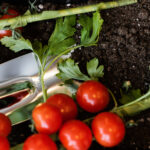
They’re also commonly planted near vegetables such as tomatoes, carrots, and lettuce because their flowers attract pollinators and beneficial insects. (extension.umn.edu)
Cilantro Needs Slightly Different Timing
Although cilantro grows well alongside parsley and chives, it’s worth remembering that it has a shorter growing season.
Warm temperatures encourage it to bolt quickly, especially during summer.
Many gardeners sow small batches every few weeks so young plants are always available.
Herbs That Should Stay in Their Own Containers
Some herbs are simply too vigorous for mixed plantings.
Mint
Mint is famous for spreading rapidly through underground runners.
If planted directly into a herb bed, it can quickly take over neighboring plants.
Growing mint in its own container is almost always the better choice.
Lemon Balm
Like mint, lemon balm belongs to the mint family and spreads enthusiastically.
It also performs best when grown separately, especially in smaller gardens.
Keeping these herbs contained prevents them from overwhelming slower-growing companions. (extension.illinois.edu)
Herbs That Grow Well in Containers
If you’re creating a container herb garden, these combinations work particularly well.
| Container | Herbs |
|---|---|
| Mediterranean Pot | Rosemary, thyme, oregano, sage |
| Fresh Cooking Pot | Basil, parsley, chives |
| Tea Garden Pot | Lemon balm, mint (best grown separately within their own containers nearby) |
Choosing herbs with similar watering requirements reduces maintenance and helps prevent mistakes.
Companion Herbs for Vegetable Gardens
Herbs don’t just pair well with each other.
Many also make excellent companions for vegetables.
| Herb | Often Grown Near |
|---|---|
| Basil | Tomatoes, peppers |
| Chives | Carrots, lettuce, tomatoes |
| Dill | Cucumbers, cabbage |
| Oregano | Peppers, tomatoes |
| Thyme | Cabbage, strawberries |
| Sage | Brassicas |
| Rosemary | Beans, carrots |
Besides adding flavor to your kitchen, flowering herbs attract bees and other pollinators that benefit the entire vegetable garden. (gardenersworld.com)
Pair Herbs Based on Their Growing Conditions
Instead of choosing companions based only on cooking, think about how they grow.
Best for Hot, Sunny Gardens
- Rosemary
- Thyme
- Lavender
- Sage
- Oregano
- Marjoram
Best for Regular Watering
- Basil
- Parsley
- Chives
- Cilantro
Best for Partial Shade
- Parsley
- Mint
- Lemon balm
- Chives
Grouping herbs this way makes daily care much more straightforward.
Should You Mix Annuals and Perennials?
Yes, but keep maintenance in mind.
Annual herbs include:
- Basil
- Cilantro
- Dill
Perennial herbs include:
- Rosemary
- Thyme
- Sage
- Oregano
- Chives
- Mint
- Lemon balm
Some gardeners prefer planting annual herbs together so they can easily refresh the container each season without disturbing long-lived perennials.
Herbs That Don’t Mix Well
Some combinations create unnecessary challenges.
| Combination | Why It Can Be Problematic |
|---|---|
| Rosemary + Basil | Very different watering needs |
| Lavender + Parsley | Lavender prefers much drier soil |
| Mint + Almost Anything | Mint spreads aggressively |
| Lemon Balm + Small Herbs | Can quickly outgrow neighboring plants |
The issue isn’t that these herbs harm one another—they simply prefer different growing conditions.
Planning a Beginner-Friendly Herb Garden
If you’re starting from scratch, keep things simple.
One easy layout might include:
Sunny Container
- Rosemary
- Thyme
- Oregano
Kitchen Container
- Basil
- Parsley
- Chives
Separate Pots
- Mint
- Lemon balm
This setup provides herbs for a wide variety of recipes while keeping maintenance straightforward.
Common Mistakes When Grouping Herbs
| Mistake | Better Approach |
|---|---|
| Planting every herb together | Group by watering and sunlight needs |
| Mixing dry-loving and moisture-loving herbs | Keep Mediterranean herbs separate |
| Growing mint in a shared bed | Plant it in its own container |
| Overcrowding containers | Leave enough room for mature growth |
| Ignoring drainage | Use pots with drainage holes and well-draining soil |
Frequently Asked Questions
Can all herbs grow together?
No. While many herbs are compatible, others have very different watering and soil preferences. Grouping herbs with similar needs generally produces healthier plants.
Which herbs should always be planted separately?
Mint and lemon balm are usually best grown in their own containers because they spread aggressively and can quickly dominate other herbs. (extension.illinois.edu)
Is it okay to grow rosemary and basil together?
They can survive in the same area, but they’re not ideal companions. Rosemary prefers drier soil, while basil grows best with more consistent moisture, making watering difficult to manage.
What’s the easiest herb combination for beginners?
A container with basil, parsley, and chives is one of the simplest combinations because all three enjoy similar growing conditions. A second container with rosemary, thyme, and oregano is another excellent option for gardeners with a sunny spot.