





Why Tomatoes Are One of the Best Crops to Grow
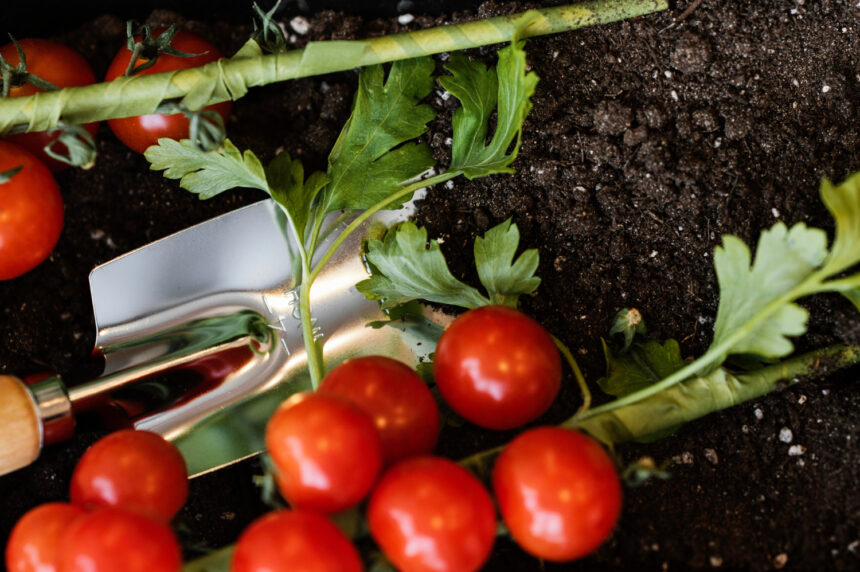
Tomatoes are among the most popular vegetables grown in home gardens—and for good reason. They’re easy to grow, incredibly productive, and nothing compares to the taste of a sun-ripened tomato picked straight from the vine.
- Why Tomatoes Are One of the Best Crops to Grow
- Choose the Right Tomato Variety
- Pick a Sunny Location
- Prepare the Soil
- Plant Tomatoes Deeply
- Give Plants Enough Space
- Support Your Plants
- Water Consistently
- Feed for Bigger Harvests
- Remove Side Shoots (for Cordon Varieties)
- Mulch Around the Plants
- Watch for Common Problems
- Companion Plants for Tomatoes
- Harvest at the Right Time
- Common Mistakes to Avoid
- Frequently Asked Questions
Whether you have a large vegetable garden, a greenhouse, or just a sunny balcony, tomatoes can thrive in the right conditions. There are hundreds of varieties available, from bite-sized cherry tomatoes to large beefsteak types and flavorful heirloom cultivars. Gardening experts also note that cherry tomatoes are often the easiest choice for beginners because they’re fast to mature and highly productive.
Choose the Right Tomato Variety
Different tomato varieties suit different spaces and growing styles.
| Type | Best For | Characteristics |
|---|---|---|
| Cherry Tomatoes | Beginners, containers | Sweet, small fruits and heavy crops |
| Plum Tomatoes | Sauces and cooking | Firm flesh and fewer seeds |
| Beefsteak Tomatoes | Sandwiches and salads | Large, juicy fruits |
| Roma Tomatoes | Cooking and preserving | Dense texture and rich flavor |
| Heirloom Tomatoes | Flavor enthusiasts | Unique colors, shapes, and taste |
You’ll also come across two main growth habits:

- Determinate tomatoes grow to a fixed size and produce most of their fruit over a shorter period.
- Indeterminate tomatoes continue growing and producing tomatoes until frost, provided they’re properly supported.
Pick a Sunny Location
Tomatoes love sunshine.
For the best harvest, plant them where they’ll receive at least 6 to 8 hours of direct sunlight every day.
A warm, sheltered spot also helps protect plants from strong winds while encouraging faster growth and better fruit production.
Prepare the Soil
Healthy soil produces healthy tomatoes.
Tomatoes grow best in fertile, well-drained soil enriched with organic matter.
Before planting:
- Mix compost into the soil.
- Remove weeds and stones.
- Ensure good drainage.
- Avoid planting where tomatoes or other nightshade crops grew the previous season if possible.
Rich soil encourages strong root development and supports heavy crops later in the season.
Plant Tomatoes Deeply
Unlike many vegetables, tomatoes benefit from deep planting.
Bury part of the stem so only the upper leaves remain above the soil. The buried stem develops additional roots, creating a stronger and more stable plant with improved access to water and nutrients.
Give Plants Enough Space
Crowded tomato plants are more likely to develop fungal diseases because air cannot circulate freely.
Follow the spacing recommendations for your chosen variety, but in general:
| Tomato Type | Recommended Spacing |
|---|---|
| Cherry Tomatoes | 18–24 inches (45–60 cm) |
| Bush Tomatoes | 24 inches (60 cm) |
| Cordon/Vining Tomatoes | 24–36 inches (60–90 cm) |
Proper spacing also makes watering, pruning, and harvesting much easier.
Support Your Plants
Most tomato varieties need support as they grow.
Popular options include:
- Tomato cages
- Garden stakes
- Bamboo canes
- Trellises
Install supports early, while plants are still small, to avoid damaging the roots later.
Water Consistently
Tomatoes dislike inconsistent watering.
Allowing the soil to dry out completely before soaking it can lead to problems such as:
- Cracked fruit
- Blossom end rot
- Split tomatoes
- Reduced fruit quality
Water deeply at the base of the plant rather than wetting the leaves.
Container-grown tomatoes usually need more frequent watering because pots dry out much faster than garden soil. During hot weather, daily watering may be necessary.
Feed for Bigger Harvests
Tomatoes are hungry plants.
Once flowers begin to appear, switch to a fertilizer formulated for tomatoes or one that’s relatively higher in potassium to encourage flowering and fruit production.
Avoid excessive nitrogen, as it encourages leafy growth instead of tomatoes.
Remove Side Shoots (for Cordon Varieties)
If you’re growing indeterminate (cordon) tomatoes, remove the small side shoots that appear between the main stem and leaf branches.
This process, often called pinching out, helps the plant focus its energy on producing larger, healthier fruit rather than excessive foliage.
Bush tomatoes generally don’t require this step.
Mulch Around the Plants
Adding mulch around tomato plants provides several benefits.
It helps:
- Retain soil moisture
- Suppress weeds
- Keep roots cooler
- Reduce soil splashing onto leaves
Organic mulches such as compost or straw work particularly well.
Watch for Common Problems
Tomatoes are relatively easy to grow, but it’s important to monitor them regularly.
| Problem | Possible Cause |
|---|---|
| Yellow leaves | Overwatering, nutrient deficiency, or disease |
| Cracked tomatoes | Irregular watering |
| Blossom end rot | Inconsistent moisture affecting calcium uptake |
| Brown leaf spots | Early blight or fungal disease |
| Wilted plants | Heat stress, underwatering, or disease |
Good airflow, consistent watering, and removing affected leaves can help reduce many common problems.
Companion Plants for Tomatoes
Growing certain plants nearby may benefit your tomatoes.
Good companions include:
- Basil
- Marigolds
- Chives
- Parsley
- Nasturtiums
These plants may help attract pollinators, confuse certain pests, and make efficient use of garden space. Recent gardening advice also highlights basil as a particularly useful companion for tomatoes.
Harvest at the Right Time
Tomatoes taste best when fully ripened on the plant.
Look for fruits that are:
- Fully colored
- Firm but slightly soft
- Easy to twist from the vine
Harvest regularly to encourage continued fruit production.
If frost threatens before all tomatoes have ripened, pick mature green fruits and allow them to finish ripening indoors.
Common Mistakes to Avoid
| Mistake | Better Approach |
|---|---|
| Planting too early | Wait until all danger of frost has passed |
| Watering the leaves | Water at the base of the plant |
| Forgetting plant supports | Install cages or stakes early |
| Growing plants too close together | Leave enough room for airflow |
| Using too much nitrogen fertilizer | Feed with a tomato fertilizer once flowering begins |
| Ignoring side shoots on cordon varieties | Remove them regularly |
Frequently Asked Questions
Are tomatoes easy for beginners to grow?
Yes. Cherry tomatoes, in particular, are considered one of the easiest crops for beginner gardeners thanks to their vigorous growth and reliable harvests.
Can tomatoes grow in pots?
Absolutely. Tomatoes grow very well in containers, provided the pot is large enough, has drainage holes, and receives plenty of sunlight. Larger containers also help retain moisture more effectively.
How often should I water tomato plants?
Watering depends on the weather, soil, and whether plants are grown in the ground or containers. The goal is to keep the soil consistently moist without becoming waterlogged. Check the soil regularly rather than watering on a fixed schedule.
How long does it take for tomatoes to grow?
Most tomato varieties produce ripe fruit between 60 and 100 days after planting, depending on the variety and growing conditions. Smaller cherry tomatoes generally mature sooner than larger varieties.